

Understanding tiong bahru market renovation is essential for Singapore homeowners planning a renovation. Here is what you need to know to make an informed decision and avoid costly mistakes.
Tiong Bahru Market Renovation: Tiong Bahru Market Renovation in Singapore — this guide covers everything you need to know for a successful outcome.
- Understanding tiong bahru market renovation helps avoid costly mistakes
- HDB and BCA regulations apply — always verify compliance
- Using a licensed contractor (Hock Star) ensures quality and accountability
According to industry data, Singapore homeowners spend an average of $50,000–$80,000 on a 4-room HDB renovation, with timelines typically ranging from 6 to 12 weeks depending on scope — making contractor selection one of the most important decisions in the process.
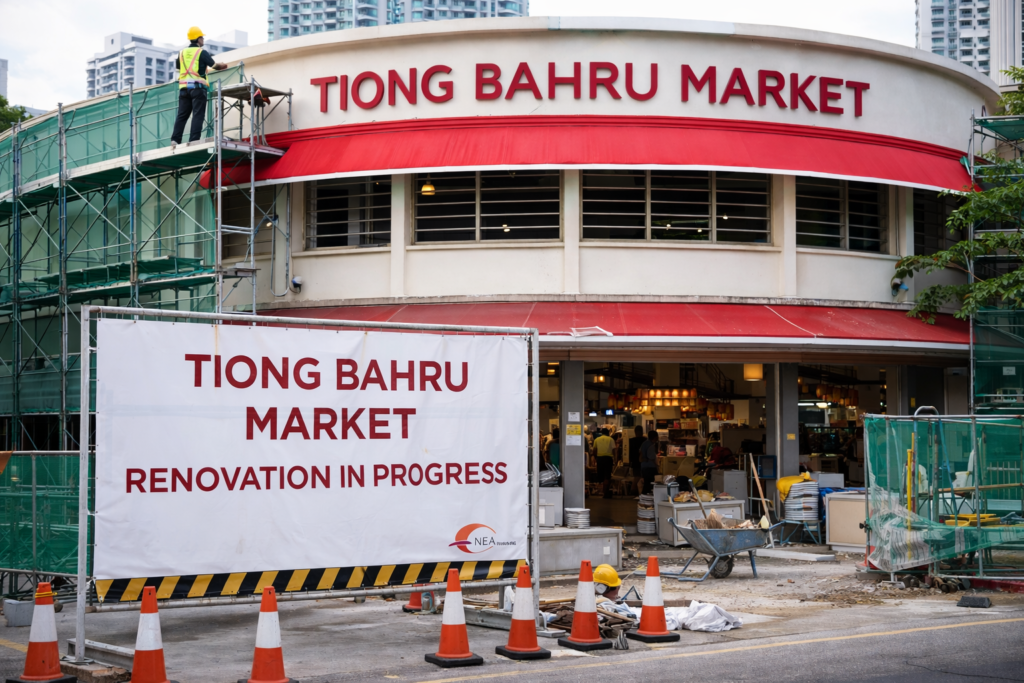
Tiong Bahru Market — a beloved neighbourhood landmark in Singapore known for its vibrant wet market and iconic hawker food centre — has recently undergone a significant renovation in 2025 that drew both community curiosity and nostalgic interest online. This article clarifies what happened, why it was done, what’s been updated, and what visitors can expect today.
Written in a neutral and friendly tone, this article includes verified facts from reputable sources and delivers a balanced perspective on this much-anticipated renovation.
A Quick Look at Tiong Bahru Market’s Heritage
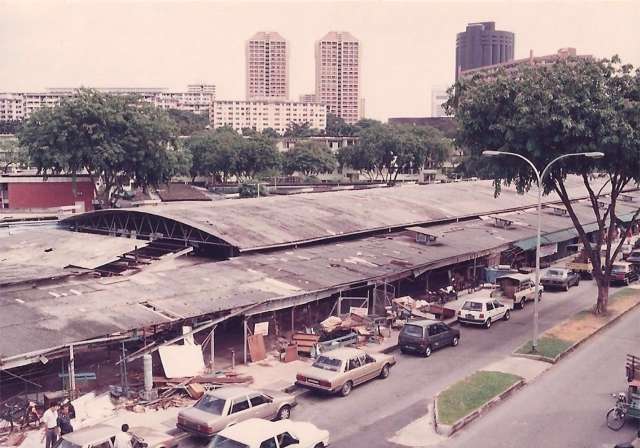
Before diving into the latest renovation, it helps to understand the historical importance of Tiong Bahru Market. Originally known as Seng Poh Road Market when it was built in 1951, the market evolved over decades into the two-storey structure Singaporeans know today, featuring a wet market on the ground floor and a hawker centre upstairs. Over time, periodic upgrades and renovations have kept the building safe, functional, and welcoming for residents and visitors alike.
Why the 2025 Renovation?
In 2025, the National Environment Agency (NEA), which oversees regular maintenance and cleaning programmes for Singapore’s food centres and markets, initiated a scheduled renovation for Tiong Bahru Market. This was classified as a Repairs and Redecoration (R&R) initiative — a routine practice to maintain cleanliness, safety, and comfort for patrons and stallholders.
The wet market and food centre were temporarily closed from 14 April to 13 July 2025 to allow thorough renovation works.
What Changed After the Renovation?
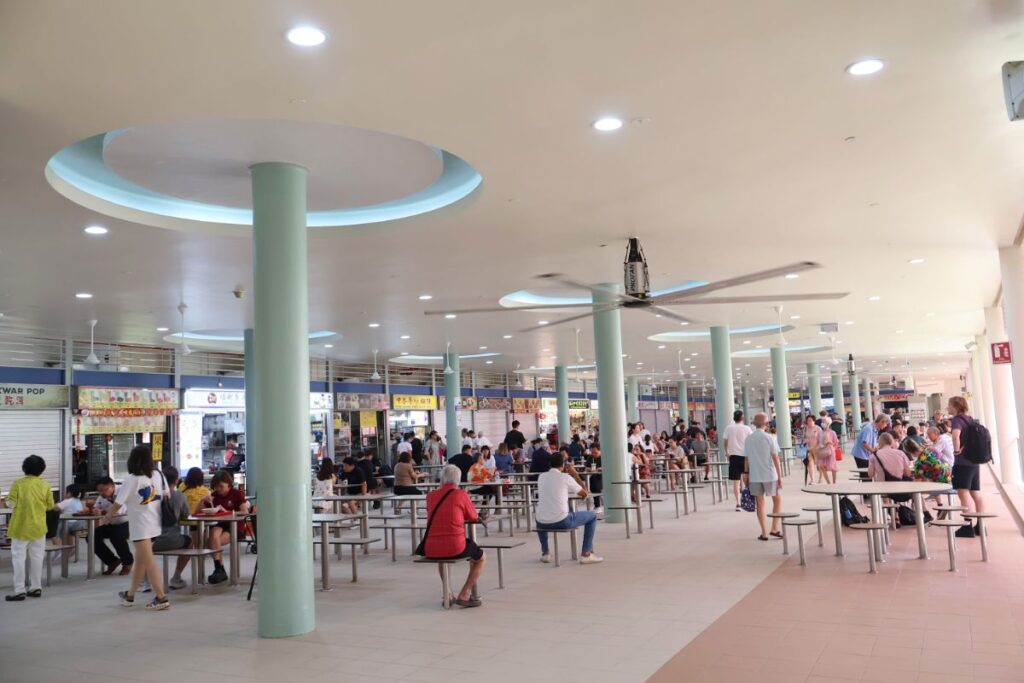
After approximately three months of renovation efforts, the Market reopened in mid-July 2025 with several noticeable improvements aimed at enhancing the visitor experience.
Refreshed Interiors & Amenities
-
New floor tiles throughout the centre
-
New tables and stools at hawker seating areas
-
More powerful ceiling fans and improved ventilation
-
Refurbished toilets for improved hygiene
-
A fresh coat of exterior paint
-
New landscaped greenery around communal areas
These upgrades may seem subtle, but in practice they help make the space more comfortable and enjoyable — especially in Singapore’s tropical climate — without changing the market’s authentic character.
Hymn to Heritage: What Stayed the Same
While the renovation brought functional and cosmetic upgrades, it was not a complete overhaul or redesign. Many elements that make Tiong Bahru Market iconic have remained unchanged:
-
The hawker stalls and their local flavours — beloved offerings such as traditional Jian Bo Tiong Bahru Shui Kueh, Lor Mee, Fishball Noodles, and Hainanese Chicken Rice continue to draw crowds.
-
The familiar layout and structure of the market remain intact, preserving its heritage feel.
In short, the renovation focused more on maintenance and liveability rather than reinventing the character of the market.
Community Feedback & Local Context
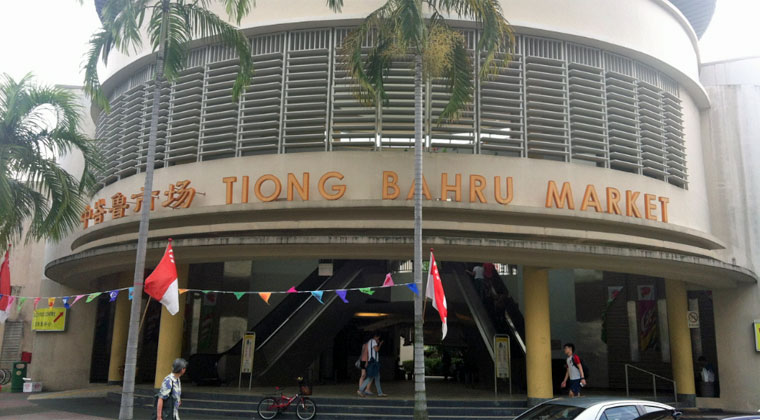
Feedback on the renovation has been mixed but largely positive. Many regulars appreciate the cleaner spaces and improved seating, especially during lunch crowds. Some locals commented that additional features like the red awnings can trap heat at times — a reminder that even well-intentioned upgrades might take time to be fully appreciated in daily use.
It’s worth noting that this was not the first renovation in the market’s long history — similar refurbishments took place in previous decades, including a larger rebuild in the early 2000s.
Visiting Tiong Bahru Market Today
Now that the Tiong Bahru Market renovation is complete:
-
The market and hawker centre are open daily during usual business hours.
-
Not all stalls reopened immediately post-renovation — some resumed operations gradually after July 14, 2025.
-
Old favourites and heritage food stalls continue to draw both locals and tourists.
Whether you’re shopping for fresh produce or sampling hawker classics, the market remains a community hub with a refreshed yet familiar vibe.
Key Considerations for Tiong Bahru Market Renovation in Singapore
What Should Homeowners Know Before Proceeding?
Singapore homeowners planning tiong bahru market renovation work should factor in HDB regulations, contractor licensing requirements, and realistic timelines. The HDB renovation portal outlines approved works, materials, and contractor requirements that apply to most residential projects.
Working with a licensed direct contractor like Hock Star removes the interior designer markup and gives homeowners direct accountability — typically saving 20-30% versus ID-coordinated projects of equivalent scope.
How Long Does It Typically Take?
Most tiong bahru market renovation projects in Singapore take 4-12 weeks depending on scope, permit requirements, and material lead times. HDB projects requiring permits add 2-4 weeks for approval. Engaging a contractor early in the planning phase ensures materials are ordered and permits processed before work begins, minimising overall timeline.
Practical Guidance for Singapore Homeowners
What Should You Verify Before Hiring a Contractor?
Before engaging any renovation contractor in Singapore, verify three things: their BCA licence number (check on the BCA contractors registry), their HDB registration status if your project involves an HDB flat, and their insurance coverage. A licensed direct contractor like Hock Star handles all compliance requirements and provides clear documentation from quote to completion.
Renovation costs in Singapore vary significantly based on scope, materials, and timeline. Getting 2-3 comparable quotes helps establish a fair market rate — but the lowest quote is rarely the best value if it cuts corners on materials or licensed tradespeople.
How Long Will Your Project Take?
Most Singapore renovation projects take 6-12 weeks from contract signing to handover. HDB projects requiring permits add 2-4 weeks for approval. Condo projects involving MCST approval add another 2-3 weeks. Planning your temporary accommodation and storage needs in advance prevents unnecessary stress during the renovation period.
Final Thoughts
The Tiong Bahru Market renovation of 2025 is a good example of how Singapore maintains its heritage spaces while preserving community character. By focusing on practical upgrades — from better ventilation to fresher seating — the Market remains both a cultural touchstone and a living, evolving part of daily life for residents and visitors alike.
Whether you’re a long-time fan of the hawker culture here or a first-time visitor, the newly refreshed Tiong Bahru Market continues to be a vibrant, functional, and beloved Singapore fixture worth exploring.