

Understanding painting services singapore is essential for Singapore homeowners planning a renovation. Here is what you need to know to make an informed decision and avoid costly mistakes.
Hiring the wrong painter in Singapore is an expensive lesson — peeling walls six months later, a colour that looked nothing like the swatch, or a contractor who vanishes mid-job. What most homeowners don’t realise is that the painting trade here is heavily fragmented: most “painting companies” are actually middlemen marking up subcontractor labour. Understanding how this market works, and what good paint workmanship actually looks like, is the difference between a home that looks sharp for years and one that needs touching up every other season.
Quick Answer: Painting Services in Singapore
- Professional interior house painting in Singapore typically costs $1.50–$3.50 per sq ft, depending on paint type and surface condition
- A standard HDB 4-room flat (roughly 90 sqm) costs between $1,800–$3,500 fully painted, including ceiling and feature walls
- Anti-mould and moisture-resistant emulsion paints are strongly recommended for Singapore’s year-round humidity
- HDB flat owners do not need approval for repainting existing walls in the same colour — but structural hacking and certain ceiling works are regulated
- Engaging a full-service renovation contractor like Hock Star means painting is coordinated alongside carpentry, tiling, and other trades — eliminating scheduling conflicts and cost inflation from separate vendors
Stat: According to industry data, paint and coatings account for roughly 15–20% of a typical Singapore home renovation budget — making it one of the most cost-visible decisions a homeowner makes.
The painting quote you receive on Day 1 is rarely the price you pay on completion day — not because contractors are dishonest, but because scope creep, surface prep surprises, and ad-hoc colour changes compound quickly. A little knowledge up front compresses the gap between estimate and invoice significantly. Here’s everything you need to know before you let anyone pick up a roller in your home.
Types of Painting Services Available in Singapore
Painting in Singapore is not a single service — it spans residential interiors, weatherproof exteriors, commercial spaces, and specialty coatings, each with distinct requirements.
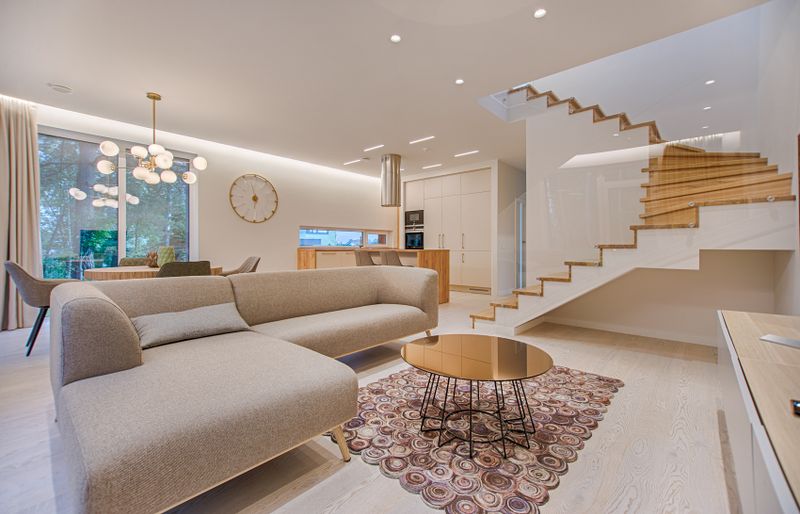
Interior House Painting
Interior painting is the most common residential request and covers walls, ceilings, feature accent walls, and internal doors. In Singapore’s climate, the primary enemy indoors is humidity-driven mould on bathroom-adjacent walls and poorly ventilated bedrooms. Interior painting services typically include surface preparation (filling cracks, sanding rough areas), a primer coat where required, and two finish coats for even coverage. Experienced painters will also apply masking tape to skirting boards, architraves, and light switches — a detail that separates professional finishing from quick-and-dirty jobs.
Exterior and Facade Painting
Exterior painting demands a different class of paint and preparation altogether. Singapore’s UV intensity and near-daily rain cycles mean exterior surfaces face thermal expansion, rain penetration, and algae growth simultaneously. Professional exterior painting services include pressure-washing the facade, treating existing algae or efflorescence, applying waterproofing primer, and finishing with weather-resistant exterior emulsion. For landed properties and older HDB blocks undergoing estate upgrading, exterior painting is a significant investment that directly affects both kerb appeal and long-term waterproofing.
HDB Flat Painting
HDB painting is Singapore’s highest-volume residential painting category. Whether you’re moving into a resale flat, completing a BTO renovation, or freshening up after five years, HDB flat painting follows a predictable scope: walls, ceiling, feature wall if desired, and wet area ceilings. The challenge with older HDB units is existing layers — some flats have had four or five paint coats applied over the decades, creating an uneven substrate that shows every imperfection under a new coat. A professional painter will assess whether skim-coating or sanding is needed before the first coat goes on.
Condo and Private Apartment Painting
Condo and private apartment painting is broadly similar to HDB painting in technique, but the finishes are often more premium — microcement feature walls, limewash textures, and dark accent ceilings are increasingly popular in high-end renovations. Many condo owners also request epoxy flooring for bathrooms or utility areas alongside wall painting, which is best handled by a single contractor to avoid scheduling and adhesion conflicts between trades.
Commercial Painting
Office repaints, F&B outlets, retail shopfronts, and industrial spaces all fall under commercial painting. Commercial projects typically run on tighter timelines (off-hours or weekends to avoid business disruption) and require higher-durability finishes — scrubbable paints, epoxy coatings, or fire-retardant formulations in regulated spaces.
Painting Cost Guide Singapore 2026
Understanding painting costs requires separating the price of materials from the price of labour — and in Singapore, labour is the dominant variable.
By Property Type
| Property Type | Estimated Cost |
|---|---|
| HDB 3-room flat (65–70 sqm) | $1,400–$2,600 |
| HDB 4-room flat (85–95 sqm) | $1,800–$3,500 |
| HDB 5-room flat (105–120 sqm) | $2,200–$4,200 |
| Condo 2-bedroom (65–80 sqm) | $1,600–$3,200 |
| Condo 3-bedroom (90–110 sqm) | $2,000–$4,500 |
| Landed terrace house | $6,000–$15,000+ |
These figures cover interior walls and ceilings with standard emulsion paint. Specialist finishes (textured, limewash, epoxy), extensive surface preparation, or exterior work will add to these figures.
Per Square Foot Rates
On a per-square-foot basis, expect to pay in the following ranges depending on paint grade and complexity:
- Basic emulsion (walls only): $1.20–$1.80 per sq ft
- Premium emulsion (anti-mould, washable): $1.80–$2.80 per sq ft
- Textured or Venetian plaster finish: $3.00–$6.00 per sq ft
- Epoxy floor coating: $3.50–$6.00 per sq ft
- Exterior weatherproof coating: $2.50–$5.00 per sq ft
Hidden Costs to Watch For
The figures above assume a reasonably clean surface in fair condition. If your flat has deep cracks, old wallpaper that needs stripping, or a previous dark colour that requires more undercoat coverage, expect additional charges. A reputable contractor will itemise these during site assessment rather than surprising you at handover.
Types of Paint — Which Is Best for Singapore’s Humidity?
Singapore’s humidity averages 70–90% year-round. Choosing the wrong paint for this environment is one of the most common and costly mistakes homeowners make.
Emulsion Paint
Emulsion is the default interior wall paint in Singapore and the right call for most living spaces, bedrooms, and corridors. Water-based emulsion dries quickly, produces low VOCs (important in enclosed Singapore apartments), and comes in thousands of colours. The key differentiator is the grade — a basic emulsion may cost $60–$80 per 5L tin, while a premium washable emulsion with anti-mould additives costs $100–$150 per tin but will last significantly longer without discolouration.
Anti-Mould Paint
For bathrooms, kitchens, and any wall adjacent to an air-conditioning unit (where condensation is common), anti-mould paint is not a luxury — it is a necessity. Anti-mould formulations contain fungicide additives that inhibit mould and mildew growth on the paint surface. Nippon Paint’s Odour-less All-in-1 and Dulux’s WeatherShield range both offer anti-mould variants widely used in Singapore. Without anti-mould protection, humid-zone walls frequently develop grey or black spotting within 12–18 months of painting.
Epoxy Paint and Coatings
Epoxy is a two-part coating system rather than a standard paint, and it delivers a hard, chemical-resistant surface ideal for floors, feature walls in wet areas, or industrial applications. Bathroom floors, utility area floors, and car porch surfaces in landed homes are the most common residential uses. Epoxy must be applied to properly prepared, fully cured concrete — it cannot go over existing paint without stripping. Application also requires controlled temperature and humidity conditions for proper cure, which makes professional application essential.
Texture Paint
Texture paints add dimension and grip to walls and are popular for feature walls, TV console backdrops, and accent ceilings. Roller texture, skip trowel, and sand-finish textures are the most common. Textured surfaces are harder to clean than smooth emulsion finishes and tend to accumulate dust in Singapore’s environment — worth considering before committing to a large surface area.
The Verdict for Singapore Homes
For living areas: premium washable emulsion. For wet-area adjacents: anti-mould emulsion. For floors (utility/bathroom): epoxy. For feature walls: texture or limewash as accents only. Avoid oil-based paints in enclosed Singapore apartments — the solvent fumes and drying time in high-humidity conditions create problems that water-based formulas don’t have.
HDB Painting Rules: What Requires Approval and What Doesn’t
HDB regulations on renovation are detailed and updated periodically. For painting specifically, the rules are relatively permissive — but it pays to know where the lines are drawn.
No Approval Required
Repainting internal walls, ceilings, and doors in any colour does not require HDB approval. This is straightforward cosmetic work and homeowners may engage any registered renovation contractor or do it themselves. The same applies to painting internal feature walls, cupboards, and built-in furniture.
Works That Are Regulated
Painting that involves waterproofing the bathroom floor or walls (which is technically a building works category rather than decorative painting) must be carried out by a HDB-registered renovation contractor. Similarly, any works that modify structural walls — even if the finish involves paint — require proper permits. Applying epoxy coatings to common corridor floors or external facades of HDB blocks is not permitted without HDB approval and is subject to estate-wide standards.
Noise and Time Restrictions
While not painting-specific, renovation noise restrictions in HDB estates limit construction activity to 9am–6pm on weekdays and 9am–1pm on Saturdays. Painting itself is low-noise, but surface preparation (sanding, grinding) is subject to these restrictions. A professional contractor will schedule surface prep accordingly.
How to Prepare Your Home for Painting
Good preparation is what separates a paint job that lasts three years from one that lasts eight. Much of this work happens before a single drop of paint is applied, and homeowners who understand the process can better hold their contractors accountable.
Clear the room as much as possible — furniture not removed should be clustered centrally and covered with dust sheets. Remove picture hooks, wall-mounted items, and switch plate covers. Inform your contractor of any existing water damage or leaks, because painting over active water ingress will result in guaranteed peeling. If your walls have cracks wider than a hairline, discuss skim-coating before painting begins.
For repaints of older HDB or BTO units, ask your contractor whether the existing paint surface needs to be sanded or whether a bonding primer is required. This matters most when going from a dark colour to a light one, or vice versa — skipping this step results in patchy coverage even after two finish coats.
Finally, agree on the colour and finish in writing before work starts. Colour change requests mid-job are the single most common source of cost disputes in residential painting contracts.
DIY vs Professional Painting — An Honest Comparison
The appeal of DIY painting is real. Paint and tools are readily available at Nippon Paint experience stores, hardware shops, and online. A 5-litre tin of decent emulsion costs $80–$120, rollers and trays are inexpensive, and for a single bedroom with no complex prep, a capable DIYer can achieve an acceptable result.
The honest comparison, however, accounts for what professionals actually do that DIYers typically skip: proper sanding and surface filling, consistent two-coat application at the right spread rate, cutting clean edges at ceiling junctions and architraves, and correctly sequencing wet areas to avoid contamination. Professional painters also work faster — a two-person team can complete a 4-room HDB flat in two to three days, whereas a solo DIYer typically needs a full weekend just for one room, with less consistent results.
DIY makes sense for: a single feature wall refresh, touching up after minor repairs, or budget-constrained situations where quality expectations are flexible. Professional painting makes sense for: full flat repaints, pre-sale preparation, post-renovation finishing, or any surface that will be prominently visible day-to-day. The cost difference between DIY materials and a professional quote is often narrower than homeowners expect — especially when labour time and rework are factored in.
Why Hock Star‘s Painting Services Deliver Better Results at Direct Contractor Rates
Most painting quotes in Singapore pass through at least one layer of intermediary — a referral platform, a design firm, or a general contractor who subcontracts the painting out. Each layer takes a margin. By the time a painter is on-site, the homeowner has paid a premium that doesn’t go towards better paint or better workmanship.
Hock Star operates as a direct renovation contractor, which means painting is handled in-house alongside carpentry, tiling, and other renovation trades. There is no subcontracting mark-up. When you engage Hock Star for a full renovation, painting is not a separate vendor to coordinate — it is part of the same team, on the same timeline, held to the same quality standard.
This integration matters practically. When carpentry and painting are handled by different vendors, finishing conflicts are common: carpenters mount cabinet doors after painting, scratching freshly finished walls; painters arrive before ceilings are ready, wasting mobilisation costs. With a single contractor managing the full scope, these coordination problems disappear because there is one party accountable for the finished result.
Hock Star’s painting team is experienced across HDB, BTO, condo, and landed residential scopes, and uses premium-grade materials as standard. Clients receive a site assessment prior to quotation, a detailed breakdown of prep work included, and a written colour confirmation before any work begins.
How Hock Star Compares: A Transparent Look at the Market
Several well-known brands and platforms offer painting services in Singapore. Nippon Paint Service is the branded painting arm of Nippon Paint, offering installation services tied to their product range — a credible option for those specifically committed to Nippon products. Dulux Decorator Centre operates similarly, bundling paint supply with application through accredited applicators. PaintGuru is a lead-generation and booking platform that connects homeowners with independent painting contractors across Singapore.
Each of these options serves a segment of the market. The distinction with Hock Star is scope: where Nippon Paint Service and Dulux Decorator Centre are paint-centric services, and PaintGuru focuses on standalone painting jobs, Hock Star is a full-service renovation contractor for whom painting is one integrated component of a broader project. For homeowners who need only painting, any of the above may be appropriate. For homeowners undergoing a renovation — or who want their next repaint handled by a contractor they can call for any subsequent works — Hock Star offers continuity, accountability, and direct pricing that intermediary platforms cannot match.
*Disclaimer: Brand names mentioned are for comparison purposes only. Hock Star is not affiliated with any third-party brands referenced.*
Conclusion: Get a Free Painting Quote from Hock Star
Quality house painting in Singapore is not just about colour selection. It is about surface preparation, the right paint specification for the climate, professional application that holds up over years, and a contractor who stands behind their work after the job is done. Whether you are repainting a BTO flat before moving in, freshening up a resale HDB unit, or tackling a full condo renovation that includes painting as one component, the contractor you choose determines whether the result looks premium at handover — and still looks premium three years later.
Hock Star handles painting as part of a complete renovation service — direct contractor pricing, no intermediary mark-up, and a single point of accountability across all trades. Visit hockstar.sg to get a free, no-obligation painting quote and find out what direct contractor pricing looks like for your home.
Frequently Asked Questions: Painting Services in Singapore
How much does it cost to paint a 4-room HDB flat in Singapore in 2026?
A standard 4-room HDB flat (approximately 85–95 sqm) typically costs between $1,800 and $3,500 for a full interior repaint, including walls and ceilings. The exact price depends on the condition of existing surfaces, the paint grade selected (standard emulsion vs. premium anti-mould), and whether feature walls or specialty finishes are included. Surface preparation such as skim-coating or sanding is sometimes charged separately if the substrate requires it.
Do I need HDB approval to repaint my flat walls in Singapore?
No. Repainting internal walls, ceilings, and doors in any colour does not require HDB approval — it is classified as decorative work and falls outside the regulated renovation scope. However, works involving waterproofing (such as bathroom floor sealing), structural modifications, or changes to the external facade of the block do require approval and must be carried out by an HDB-registered renovation contractor.
What is the best type of paint for Singapore’s humid climate?
For living areas and bedrooms, a premium water-based emulsion with anti-mould additives is the optimal choice — it resists humidity-driven mould, is washable, and dries quickly in Singapore’s warm conditions. For bathrooms and kitchens, or any wall adjacent to air-conditioning units where condensation is common, anti-mould emulsion is essential. For utility floors and wet area floors, two-part epoxy coatings provide a durable, moisture-resistant surface that standard emulsion cannot match.
How long does it take to paint a whole HDB flat in Singapore?
A professional two-person painting team can typically complete a full 4-room HDB flat in two to three days, depending on the extent of surface preparation required and the number of colour changes involved. Single-room or touch-up repaints can often be completed in a single day. If skim-coating is required before painting, this adds one to two days for the skim coat to cure before painting can begin.
Is it worth hiring a professional painter in Singapore or can I DIY my HDB flat?
DIY painting is viable for small, low-visibility projects — a single bedroom or a simple accent wall — where a minor imperfection in edging or coverage is acceptable. For full flat repaints, pre-sale preparation, or any prominent surface, professional painting delivers substantially better results: cleaner lines, more consistent coverage, and correct preparation that extends the life of the finish. The cost premium over DIY materials is often narrower than expected, particularly when time and the risk of rework are factored in.