

Pocket doors are the most space-efficient door solution for Singapore homes — they slide completely into the wall cavity, making them ideal for tight HDB corridors, bathrooms, and study rooms. Unlike conventional sliding doors that travel along a visible external track, pocket doors disappear entirely into the wall when open, leaving the doorway completely clear and reclaiming every centimetre of floor space that a swing door would otherwise consume. This guide explains everything Singapore homeowners need to know before choosing a pocket door installation.
Pocket Door Singapore: Pocket Door Singapore in Singapore — this guide covers everything you need to know for a successful outcome.
- Understanding pocket door singapore helps avoid costly mistakes
- HDB and BCA regulations apply — always verify compliance
- Using a licensed contractor (Hock Star) ensures quality and accountability
What Is a Pocket Door and How Does It Work?

A pocket door operates on a concealed track system housed within a specially constructed wall cavity — the “pocket” — that sits adjacent to the door opening. When the door is slid open, the panel glides smoothly into the cavity and disappears from view. When pulled closed, it slides back out to cover the full opening. The mechanism is top-hung: the door panel is suspended from a concealed track at the top of the cavity, with a bottom guide channel in the floor to keep the panel aligned and prevent lateral movement. For more, see HDB renovation guidelines Singapore.
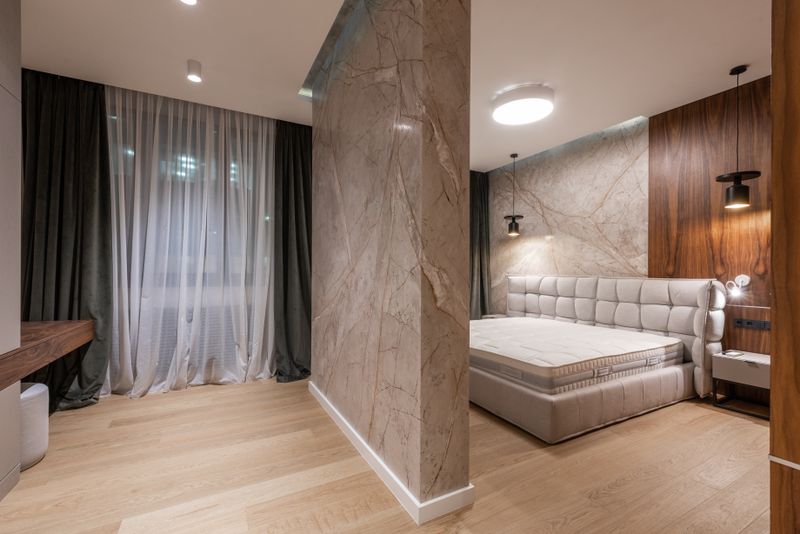
Key Considerations for Pocket Door Singapore in Singapore
The quality of a pocket door installation depends almost entirely on three elements: the rigidity and precision of the pocket frame construction, the quality of the track and hardware, and the accuracy of the installation. A pocket door installed in a flimsy or poorly braced frame will develop rattle, misalignment, and rough operation within a relatively short time. A well-engineered system — with a steel-reinforced pocket frame and quality bearings in the track — will run smoothly and quietly for decades.
Pocket Door vs Sliding Door vs Bifold Door: Key Differences
Understanding the distinctions between these three door types helps homeowners choose the right solution for their specific space. A conventional sliding door travels along an external track — visible on the wall surface beside the opening — and the panel is always present within the room, whether open or closed. This makes sliding doors simpler and less expensive to install, but they occupy wall space on one side of the opening and the track hardware is always visible.
A pocket door eliminates both of these limitations. Because the panel slides into the wall, there is no external track to see and no panel taking up wall space when the door is open. The full wall surface beside the opening is free to use — for furniture placement, artwork, or simply clear circulation. The trade-off is installation complexity: creating a pocket requires building a dedicated wall cavity, which adds cost and structural planning to the project.
Bifold doors are the right choice when the goal is to open up a wide doorway completely — typically for balcony connections or wide room dividers. They fold accordion-style against the wall and expose most of the opening width, but they require clear space on one side for the folded panels to stack. For narrower openings where total concealment of the door panel is the priority, a pocket door is almost always the better specification.
Where to Install Pocket Doors in Singapore Homes
The bathroom is the single most popular application for pocket doors in Singapore HDB and condo renovations. En-suite bathrooms in HDB flats — particularly in three-room and four-room layouts — are often tightly configured, and a swing door opening into either the bathroom or the bedroom creates an obstruction that makes both spaces feel cramped. A pocket door removes this obstruction entirely, effectively adding usable floor area to both the bathroom and the room it connects to.
Bedrooms in HDB flats with narrow corridors benefit similarly. A standard 900mm swing door in a corridor that is barely 1.2 metres wide creates an impractical situation every time the door is opened. Replacing it with a pocket door means the corridor remains clear and usable regardless of whether the bedroom door is open or closed. Study rooms are another natural application — particularly in homes where the study doubles as a spare room. A pocket door allows the space to feel open and connected to the living area when not in use, and completely private when occupied.
Kitchen openings in open-plan renovation concepts are increasingly being fitted with pocket doors rather than conventional sliding doors, particularly where the homeowner wants the door to disappear completely when cooking is in progress. In landed properties, pocket doors are used extensively in master bathroom suites and walk-in wardrobe configurations, where the seamless transition between spaces is part of the interior design intent.
Pocket Door Cost in Singapore
Pocket doors are more expensive than standard swing or sliding doors due to the additional structural work required to create the wall cavity. As a general market guide for Singapore: a basic pocket door system — including the pocket frame kit, door panel in timber or MDF, track hardware, and installation — typically ranges from $1,500 to $3,500 for a standard 900mm opening. This assumes that the wall where the pocket is being created does not contain structural elements, services (pipes, conduits), or other obstructions that complicate the cavity construction.
For premium configurations — glass-panelled pocket doors, frosted glass for bathroom privacy, or pocket doors in oversized openings above 1.2 metres wide — costs typically range from $3,000 to $6,000 or more depending on panel specification and hardware quality. Double pocket doors — where two panels slide from both sides of an opening to meet in the middle — are the most expensive configuration, typically starting from $4,000 for a standard-sized opening. Always obtain an itemised quotation that separates the pocket frame construction, the door panel, the track hardware, and the installation labour.
Can You Install a Pocket Door in an HDB Flat?
Yes — pocket doors can be installed in HDB flats, subject to the standard renovation guidelines that govern all HDB renovation works. The critical consideration is the wall into which the pocket is being created. The wall must be a non-structural partition wall: HDB’s original approved floor plan shows which walls are structural (marked in bold) and which are non-structural. A pocket door cavity can only be created in a non-structural wall without additional HDB approval and Professional Engineer endorsement.
Because creating a pocket door cavity involves hacking and construction works — both of which fall under HDB’s regulated renovation activities — a renovation permit is required and the work must be carried out by a registered HDB Renovation Contractor. The contractor will also need to ensure that no electrical conduits, water pipes, or other services run within the wall cavity where the pocket is being formed. A site inspection before finalising the specification is essential to avoid discovering obstructions after the hacking has already begun.
Pros and Cons of Pocket Doors for Singapore Homes
The primary advantage of a pocket door is the total reclamation of floor space. In Singapore’s compact housing typology, eliminating a swing radius from a bathroom or bedroom can meaningfully improve the usability of the space. The aesthetic benefit — a clean wall surface with no visible door hardware when the door is open — is equally significant in contemporary interior designs that prioritise uncluttered surfaces.
The limitations of pocket doors are worth understanding before committing. Because the wall cavity houses the door panel, the wall on either side of the opening cannot be used for hanging pictures, installing electrical sockets, or running new pipes. This restricts future flexibility to a degree that a standard sliding or swing door does not. Maintenance access for the track hardware requires removing the door panel or opening the cavity — a more involved process than maintaining a surface-mounted sliding door track. Sound insulation is also typically lower for pocket doors than for solid swing doors, as the wall cavity is not fully sealed.
For most Singapore homeowners, the space and aesthetic benefits significantly outweigh these limitations — particularly in bathrooms and narrow corridors where the alternative is a swing door that obstructs circulation on a daily basis.
Why Hock Star Is Singapore’s Trusted Pocket Door Installer
Hock Star has extensive experience installing pocket doors in HDB flats, condominiums, and landed properties across Singapore. The critical success factor in pocket door installation is the pocket frame construction — it must be rigid, square, and properly braced to support the door panel and track hardware over the long term. Hock Star’s team builds pocket frames to a professional standard that ensures smooth, quiet operation from day one and minimal maintenance requirements over time.
Hock Star manages the full process: site inspection to confirm wall suitability, permit application for HDB projects, pocket frame construction, door panel fabrication or supply, track hardware installation, and final adjustment and handover. As a direct contractor, there is no subcontracting of the structural or carpentry elements — which means consistent quality and clear accountability throughout the project. Visit the HDB renovation page for flat-specific renovation guidance, explore the full services available from Hock Star, or contact Hock Star to discuss your pocket door project.
Conclusion: Pocket Doors Are the Smart Choice for Space-Constrained Singapore Homes
In a housing market where usable space is genuinely scarce and every square metre carries real value, pocket doors represent one of the most rational renovation investments available to Singapore homeowners. The elimination of the swing radius, the clean aesthetic when open, and the full reclamation of wall surface beside the opening make pocket doors the superior choice for bathrooms, bedrooms, and corridors in HDB flats and condominiums. The higher installation cost relative to a swing or sliding door is a one-time investment that pays daily dividends in liveability and spatial efficiency.