

Most HDB renovation works require official approval from HDB — skipping this step can result in fines and mandatory reinstatement at your own cost. For homeowners planning any significant changes to their flat, understanding the permit process is not optional; it is the foundation of a compliant, stress-free renovation. This guide explains everything you need to know about the HDB renovation permit process in Singapore.
Hdb Renovation Permit Singapore: Hdb Renovation Permit Singapore in Singapore — this guide covers everything you need to know for a successful outcome.
- Understanding hdb renovation permit singapore helps avoid costly mistakes
- HDB and BCA regulations apply — always verify compliance
- Using a licensed contractor (Hock Star) ensures quality and accountability
According to industry data, Singapore homeowners spend an average of $50,000–$80,000 on a 4-room HDB renovation, with timelines typically ranging from 6 to 12 weeks depending on scope — making contractor selection one of the most important decisions in the process.
What Is an HDB Renovation Permit and When Do You Need One?

An HDB renovation permit is an official authorisation issued by the Housing and Development Board that allows specific categories of renovation work to proceed in HDB flats. It exists to protect the structural integrity of HDB buildings and to ensure that renovation works do not compromise the safety of residents in neighbouring units or the building as a whole.
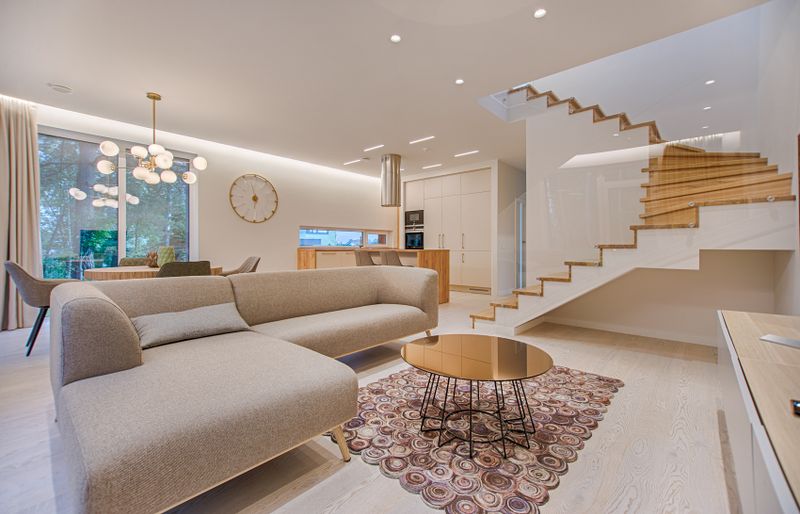
Key Considerations for Hdb Renovation Permit Singapore in Singapore
Not all renovation works require a permit. Cosmetic changes — repainting walls, replacing light fittings, installing curtain rods — can generally proceed without any formal approval. The permit requirement kicks in when works involve structural elements, wet areas, or major systems such as electrical rewiring and plumbing alterations. The defining question is whether the work has the potential to affect the building’s structure or the safety and amenity of neighbouring units.
Which Renovation Works Require HDB Approval?
HDB publishes a comprehensive list of works that require an approved renovation permit. These include all hacking works — the breaking down of walls, floors, or ceilings — regardless of whether structural or non-structural elements are involved. Installation or removal of wet areas such as bathrooms and kitchens, including changes to waterproofing, floor screeding, and drainage, also require prior approval.
Electrical works beyond simple fixture replacements — including rewiring, addition of circuit breakers, or installation of new power points — require an approved licensed electrical worker and must be notified to HDB. Plumbing works that involve alterations to internal pipes, relocation of sanitary fittings, or changes to water supply lines fall under the same requirement. Structural works — including any modifications to load-bearing walls, beams, or slabs — are subject to the strictest scrutiny and almost always require a Professional Engineer’s endorsement in addition to HDB approval. For a full and current list, refer to the HDB renovation guidelines on the official HDB website.
How to Apply for an HDB Renovation Permit
The application process is handled through the HDB branch managing your flat, and in most cases, the application is submitted by your appointed renovation contractor rather than by you directly. First, engage a registered HDB Renovation Contractor — only contractors registered with HDB are authorised to apply for renovation permits on behalf of homeowners. Your contractor prepares the renovation plan and scope of works required for submission. Second, the contractor submits the permit application through the HDB e-Service portal, providing details of the proposed works, the materials to be used, and the estimated start and end dates. Third, HDB reviews the application. For standard works, approval is typically granted within three to five working days. For works involving structural changes or Professional Engineer endorsements, the review period is longer. Once approved, the permit must be displayed at the entrance of your flat throughout the renovation period — this is a mandatory requirement.
HDB Renovation Rules and Restrictions Singapore Homeowners Must Know
Beyond the permit itself, HDB imposes a range of specific rules that govern how renovation works must be carried out. Renovation hours are strictly regulated: works that generate noise — hacking, drilling, sawing — are only permitted between 9:00am and 5:00pm on weekdays and Saturdays. No noisy works are allowed on Sundays or public holidays. Residents who violate these hours are liable to complaints and enforcement action.
Structural walls — those shown in bold on your flat’s floor plan — cannot be hacked or modified without a Professional Engineer’s assessment and explicit HDB approval. Attempting to hack a structural wall without authorisation is one of the most serious renovation offences in Singapore. Similarly, the floor loading capacity of HDB flats must not be exceeded; heavy materials such as marble flooring or large water features require careful assessment before installation. Waterproofing in wet areas must comply with HDB’s specifications. Contractors are required to lay at least two coats of approved waterproofing membrane before screeding and tiling in bathrooms — failure to do so properly is a leading cause of water seepage complaints between neighbours.
How Long Does HDB Permit Approval Take?
For standard renovation works — hacking, tiling, carpentry, painting, and electrical works — HDB renovation permit approval typically takes three to five working days from submission of a complete application. For works involving structural elements, Professional Engineer endorsements, or complex alterations, the review period can extend to two to four weeks.
This means that renovation planning should begin well before your intended start date. Factoring in permit application time, material procurement lead times, and contractor scheduling, most HDB renovation projects benefit from a planning lead time of four to eight weeks before works begin on site.
Consequences of Renovating Without HDB Approval
The consequences of proceeding with HDB-regulated works without a valid permit are significant. HDB inspectors carry out checks on HDB flats both during and after renovation. If unauthorised works are discovered, HDB can — and does — issue a Notice to Reinstate, requiring the homeowner to restore the flat to its original approved condition entirely at their own expense. This reinstatement cost can easily exceed the original cost of the renovation works themselves.
Beyond financial consequences, unauthorised structural modifications pose a genuine safety risk. Hacking through a structural element without proper assessment can compromise the integrity of the building, potentially affecting multiple floors above and below. HDB takes this seriously, and enforcement in such cases is swift.
How Hock Star Handles HDB Permits on Your Behalf
Hock Star is a registered HDB Renovation Contractor with extensive experience managing the permit process for Singapore homeowners. When you engage Hock Star for your renovation, the team handles the entire permit application on your behalf — preparing the renovation plan, submitting the application through the HDB portal, and coordinating the approval timeline with your renovation schedule.
Hock Star’s team flags permit requirements upfront during the quotation stage, so there are no surprises once work begins. For homeowners who have previously had issues with unauthorised renovation works, Hock Star can also advise on rectification and reinstatement options. Learn more about HDB renovation services from Hock Star, or visit the full services page for a complete overview. To start the process, contact Hock Star for a consultation.
Conclusion: The HDB Permit Is Your Protection, Not Just a Formality
The HDB renovation permit process exists to protect homeowners, their neighbours, and the structural integrity of Singapore’s public housing estate. Treating it as a bureaucratic hurdle to be avoided is a serious mistake — the financial and safety consequences of non-compliance far outweigh the minor inconvenience of going through proper approval channels. Engaging a registered contractor who handles the permit process professionally is the single most effective way to ensure your renovation proceeds without regulatory complications.