

Built-in wardrobes are one of the most requested carpentry items in Singapore renovations — and one of the most misunderstood in terms of cost, materials, and what HDB will and will not permit. In a country where bedrooms routinely measure 9 to 12 square metres, a well-designed built-in wardrobe is not a luxury; it is a spatial necessity. Get the specification right, and it serves you for twenty years. Get it wrong, and you are looking at a costly replacement within five.
Built In Wardrobe Singapore: Built In Wardrobe Singapore in Singapore — this guide covers everything you need to know for a successful outcome.
- Understanding built in wardrobe singapore helps avoid costly mistakes
- HDB and BCA regulations apply — always verify compliance
- Using a licensed contractor (Hock Star) ensures quality and accountability
- Built-in wardrobe cost (standard laminate): $1,800 – $3,500 per linear metre
- Sliding door systems: $400 – $900 per panel additional cost
- Full floor-to-ceiling 3-metre wardrobe (mid-range): $5,000 – $9,000
- Walk-in wardrobe fitout: $8,000 – $20,000+ depending on size and specification
- HDB rules: No permit required for non-structural built-in wardrobes in bedrooms
The choice between built-in and freestanding, sliding and hinged, laminate and solid wood involves genuine trade-offs — not just aesthetic preferences. Each decision has direct implications for cost, longevity, and suitability for Singapore’s climate. This guide lays out the full picture so you can make an informed decision before you commit to a specification.
Built-In vs Freestanding Wardrobes: Making the Right Choice for Singapore Homes
Freestanding wardrobes — whether flat-pack systems like IKEA PAX or solid timber pieces — offer one significant advantage over built-ins: they move with you. For homeowners in rented accommodation or those who anticipate relocating within five years, freestanding makes financial sense. For HDB and condo owners planning to stay for the medium to long term, built-in wardrobes consistently deliver better value.
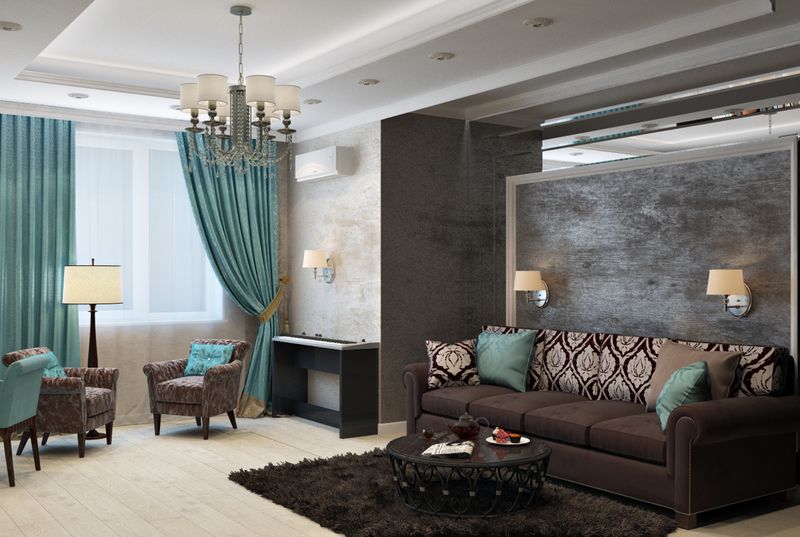
A built-in wardrobe is designed and fabricated to the exact dimensions of your bedroom wall, maximising every millimetre of usable storage space. It is integrated with the room’s architectural language — flush with the ceiling if designed floor-to-ceiling, aligned with doorframes, and finished with materials that match your other carpentry pieces. This level of integration is structurally and aesthetically impossible to achieve with freestanding furniture. In Singapore’s humid climate (average relative humidity of 82%), built-in wardrobes also have the advantage of being constructed from moisture-resistant boards rather than the solid timber or particleboard used in most imported freestanding furniture.
Built-In Wardrobe Materials: Laminate vs Melamine vs Solid Wood
Melamine Board
Melamine is the entry-level substrate used in most Singapore built-in wardrobes. It consists of a particleboard or MDF core coated with a melamine resin surface paper, available in a wide range of colours and wood-effect finishes. Melamine is cost-effective, reasonably durable, and serviceable for most residential applications. Its primary limitation in Singapore’s climate is susceptibility to moisture damage if seals are compromised — a risk that is managed through proper construction techniques (sealed edges, appropriate joinery) rather than material substitution. A full floor-to-ceiling wardrobe in standard melamine for a 3-metre wall costs approximately $4,000 to $7,000 installed.
Laminate Board
Laminate wardrobes use a high-pressure laminate (HPL) surface applied to a particleboard or moisture-resistant (MR) board substrate. HPL is significantly more durable and scratch-resistant than melamine, with better resistance to moisture penetration. The surface options for laminate are extensive — matte, gloss, textured, wood-grain, and stone-effect finishes are all available. A floor-to-ceiling wardrobe in mid-range laminate for a 3-metre wall costs approximately $5,500 to $9,000 installed. For most Singapore homeowners, laminate on MR board represents the optimal balance of cost, durability, and aesthetics.
Solid Wood and Timber Veneer
Solid timber wardrobes are rare in Singapore renovation contexts because solid wood responds to humidity changes by expanding and contracting — a characteristic that leads to warping, cracking, and door misalignment in Singapore’s climate over time. Timber veneer on MR board is a more practical approach, delivering the visual warmth of natural timber with the dimensional stability of an engineered substrate. Timber veneer wardrobes cost $2,500 to $4,500 per linear metre installed, making them a premium specification suited to high-end renovations.
Sliding vs Hinged Doors: Which Is Better for Singapore HDB Flats?
The sliding versus hinged decision is primarily a function of space. Hinged doors require clearance in front of the wardrobe equal to the door width — typically 450 to 600mm — to open fully. In a standard HDB bedroom of 9 to 12 square metres, this clearance can represent a meaningful portion of usable floor space, particularly in rooms with beds positioned close to the wardrobe wall.
Sliding doors eliminate the swing clearance requirement and tend to deliver a cleaner, more contemporary aesthetic. They are, however, more expensive to install ($400 to $900 per panel for a quality aluminium-framed system) and more complex to maintain — the track and roller systems require periodic adjustment and cleaning. For bedrooms smaller than 10 square metres, sliding doors are almost always the pragmatic choice. For larger rooms, hinged doors offer better access to the full wardrobe interior and simpler mechanics over the long term.
Built-In Wardrobe Internal Configuration: Getting the Layout Right
The internal layout of your wardrobe — hanging rails, shelving, drawers, pull-out accessories — determines how effectively you use the space. A common mistake is over-specifying hanging space at the expense of shelving. In Singapore’s climate, folded clothing on shelves actually fares better than hanging garments in humid conditions, as airflow between folded items is more consistent. A balanced configuration for a standard 3-metre wardrobe might include one to two hanging bays (each 600 to 700mm wide), four to six shelves, and two to three drawers at the base.
Pull-out accessories — tie racks, belt hooks, jewellery trays, shoe racks — add $200 to $600 each and are worth specifying selectively rather than comprehensively. Over-accessorised wardrobes often end up underutilised because the accessories add complexity without proportional functional benefit.
HDB Rules for Built-In Wardrobes
Built-in wardrobes installed within bedrooms — meaning they are constructed against existing walls without any structural modification — do not require an HDB renovation permit. This makes bedroom wardrobes one of the few renovation items that can proceed immediately after key collection without waiting for permit approval. The key condition is that no hacking of walls, beams, or slabs is involved. If your wardrobe design incorporates recessed niches requiring partial wall hacking, a permit will be required.
For walk-in wardrobe conversions that involve removing or modifying non-structural partition walls, HDB’s standard renovation permit is required but is routinely approved for non-load-bearing walls in approved locations. Your contractor should advise on this during the design phase.
How Direct Contractors Compare to Interior Design Firms on Wardrobe Pricing
Interior design platforms and firms in Singapore — including those matched through Qanvast or delivered by boutique studios — include design consultation, concept development, and material curation as part of their wardrobe specification service. This adds value for homeowners who want a fully integrated design experience, but it adds cost: a floor-to-ceiling laminate wardrobe priced at $7,000 through a direct contractor may appear on an interior design firm’s quotation at $9,500 to $11,000 for an equivalent specification.
Livspace and similar platforms offer wardrobe packages within broader renovation bundles, which can make pricing appear competitive on a per-room basis. The bundle structure, however, makes it difficult to compare individual line items against direct contractor pricing.
Hock Star provides custom built-in wardrobes as a standalone or full-renovation service, fabricated to your exact dimensions and specifications at direct contractor pricing. All carpentry is supervised by our project team and backed by a workmanship warranty.
Disclaimer: References to third-party platforms and firms are provided for market context only. Pricing and service offerings vary by project and individual provider.
Conclusion: Invest in the Right Specification from Day One
A well-specified built-in wardrobe in the right material — mid-range laminate on MR board, with a balanced internal configuration and a quality sliding door system — will serve you for fifteen to twenty years with minimal maintenance. The temptation to value-engineer on wardrobes is understandable during a renovation when budgets are under pressure, but under-specified wardrobes are among the most common renovation regrets. Invest in the substrate quality and door system; those are the elements that determine longevity.
Hock Star designs and installs custom built-in wardrobes across Singapore, from single bedroom wardrobes to full walk-in wardrobe fitouts. All carpentry is fabricated locally, installed by experienced carpenters, and priced transparently with no design markups. Get a free built-in wardrobe quote from Hock Star today.
Frequently Asked Questions
How much does a built-in wardrobe cost in Singapore in 2026?
A standard floor-to-ceiling built-in wardrobe in mid-range laminate for a 3-metre wall costs $5,500 to $9,000 installed in Singapore in 2026. Entry-level melamine wardrobes start at $4,000 to $7,000 for equivalent dimensions. Premium laminate or timber veneer wardrobes with high-specification sliding door systems cost $10,000 to $15,000+. Walk-in wardrobe fitouts range from $8,000 to $20,000+ depending on size and specification.
What is the difference between laminate and melamine wardrobes in Singapore and which is better?
Laminate wardrobes use a high-pressure laminate (HPL) surface on a moisture-resistant board substrate — they are more durable, scratch-resistant, and humidity-tolerant than melamine. Melamine uses a lower-grade resin surface on particleboard and is more susceptible to edge chipping and moisture damage over time. For Singapore’s humid climate, laminate on MR board is the recommended choice for long-term durability, though it costs 20 to 40 per cent more than melamine for equivalent dimensions.
Do I need an HDB permit to install a built-in wardrobe in Singapore?
No HDB renovation permit is required for built-in wardrobes that are installed against existing walls without any structural modification, hacking, or wall removal. This applies to standard floor-to-ceiling wardrobes in bedrooms. If your wardrobe design requires hacking into a wall for a recessed section, a permit will be required. Walk-in wardrobe conversions involving non-structural wall removal require a standard HDB renovation permit.
Should I choose sliding or hinged doors for my HDB bedroom wardrobe in Singapore?
For HDB bedrooms smaller than 10 square metres, sliding doors are almost always the better choice because they eliminate the swing clearance required for hinged doors, preserving usable floor space. For larger rooms with adequate clearance, hinged doors offer better access to the full wardrobe interior and simpler long-term mechanics. Sliding door systems cost $400 to $900 per panel more than hinged alternatives for a comparable wardrobe.
What internal configuration should I specify for a built-in wardrobe in an HDB bedroom in Singapore?
A balanced configuration for a standard 3-metre built-in wardrobe in an HDB bedroom includes one to two hanging bays (600 to 700mm wide each), four to six shelves for folded items, and two to three drawers at base level. In Singapore’s humid climate, shelved storage is preferable to hanging for folded garments as it allows better airflow. Avoid over-specifying pull-out accessories — select only those you will actively use, as each adds $200 to $600 to the project cost.