

Bathroom renovation costs in Singapore range from S$5,000 to over S$20,000 depending on your property type, scope of works, and material choices. Most HDB homeowners spend between S$6,000 and S$10,000 for a full refresh, while condo owners with higher-specification finishes typically budget S$10,000 to S$18,000. Knowing the cost breakdown before you speak to any contractor puts you in a far stronger negotiating position — and prevents the surprise invoices that catch unprepared homeowners off guard.
Bathroom Renovation Cost Singapore: Bathroom Renovation Cost Singapore in Singapore — this guide covers everything you need to know for a successful outcome.
- Understanding bathroom renovation cost singapore helps avoid costly mistakes
- HDB and BCA regulations apply — always verify compliance
- Using a licensed contractor (Hock Star) ensures quality and accountability
Quick Answer: Bathroom Renovation Cost in Singapore (2026)
- HDB bathroom (full renovation): S$6,000 – S$12,000
- Condo bathroom (full renovation): S$8,000 – S$20,000
- Partial / overlay renovation (no hacking): S$1,280 – S$3,500
- Waterproofing alone: S$800 – S$1,200 per bathroom
- Average timeline: 2 to 4 weeks from start to handover
📊 Stat: A mid-range full bathroom renovation in a 4-room HDB resale flat in Singapore costs approximately S$8,500–S$10,500 in 2026, factoring in hacking, waterproofing, tiling, and standard fittings.
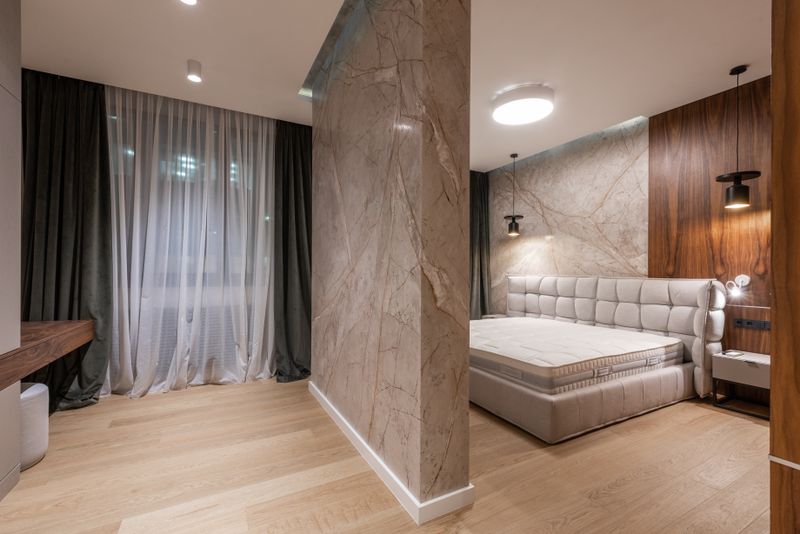
Most homeowners instinctively ask for a lump-sum quote — but that number tells you almost nothing. The real question is: what’s included, what’s priced per item, and where are the upsells buried? Once you understand the cost structure of a bathroom renovation in Singapore, a vague quote becomes easy to interrogate. This guide breaks it all down — so you know exactly what you’re paying for, and why Hock Star‘s direct contractor model delivers more value than the typical interior design markup chain.
Bathroom Renovation Cost Ranges in Singapore (2026)
HDB Bathrooms: What to Expect
For a standard HDB bathroom — typically 3.5 to 5 square metres — a full renovation covering hacking, waterproofing, tiling, and new fittings falls between S$6,000 and S$12,000.
BTO flats at the lower end of their renovation window tend to cost less, since the plumbing and waterproofing membrane are newer and may not need full replacement. Budget around S$5,000 to S$8,000 for a BTO full renovation with mid-range tiles and fittings.
Resale HDB flats — particularly those more than 10 years old — almost always require complete tile hacking, fresh waterproofing, and plumbing inspections. These add cost. Expect S$8,000 to S$12,000 for a thorough resale bathroom renovation that won’t require revisiting in five years.
If you’re looking at a quick cosmetic update without hacking — new vanity, shower fittings, and an overlay of tiles on top of existing ones — overlay packages start from as little as S$1,280 to S$2,000, though these are suitable only for bathrooms where the existing waterproofing and tile adhesion are structurally sound.
Condo Bathrooms: A Wider Price Band
Condo bathrooms vary considerably by unit size and specification level. A compact 1-bedroom condo bathroom can be renovated fully for S$5,000 to S$9,000 at a basic to mid-range level. A larger master bathroom in a 3-bedroom condo with quality porcelain or stone finishes, a frameless shower screen, and a freestanding vanity can run S$15,000 to S$25,000.
The key cost differentiators for condo work are the specification of tiles (imported vs. local), the complexity of plumbing relocation, and whether concealed pipework or feature walls are involved. Luxury finishes — large-format marble-effect tiles, wall-hung toilets, concealed flush systems — add meaningful cost at every line item.
Bathroom Renovation Cost Breakdown by Item
Understanding each line item helps you compare quotes accurately and catch inflated margins before you sign.
Hacking and Demolition
Removing existing floor and wall tiles, the cement screed beneath, and old fittings is priced at S$1,200 to S$1,500 per bathroom. This varies by tile thickness, adhesive type, and how easily the existing substrate gives way. Older HDB flats with thick cement mortar beds often take longer to hack, increasing labour costs.
Waterproofing
This is non-negotiable and arguably the most critical item in any bathroom renovation. A proper waterproofing application — membrane, screed, 48-hour ponding test — costs S$800 to S$1,200. For HDB units, HDB-approved waterproofing materials are mandatory. The membrane must extend at least 150mm up all walls and kerbs. Do not accept quotes that omit this line item or bundle it invisibly into a package without specifying the standard used.
Floor and Wall Tiling
Tiling is typically the largest single cost component, covering both materials and labour. Standard-grade ceramic tiles with straightforward laying patterns run S$2,500 to S$3,500. Mid-range porcelain or rectified tiles in a more complex pattern (herringbone, large-format) will push this to S$4,000 to S$5,500. Premium stone-effect or imported tiles can exceed S$7,000 when combined with the associated labour.
Plumbing Works
Replacing like-for-like plumbing — same positions, same points — costs around S$1,200 to S$1,500. If you’re relocating the toilet bowl, shifting water supply points, or adding a new shower outlet, the cost rises to S$2,000 to S$3,500 and will require a PUB-licensed plumber for all pipe alterations.
Vanity Unit
A standard wall-hung or floor-standing vanity with basin costs S$850 to S$1,500 for mid-range options. Custom carpentry vanities or imported European units can range from S$2,000 to S$5,000+ depending on materials and configuration.
Shower Enclosure and Fittings
A standard framed or semi-frameless shower screen runs S$600 to S$900. Frameless glass shower enclosures with quality hardware cost S$1,200 to S$2,500. Rain showers, concealed shower columns, and thermostatic mixers add further cost. Budget S$500 to S$1,500 for shower fittings depending on brand and specification.
Toilet Bowl
A wall-hung toilet with concealed cistern costs S$800 to S$2,000 depending on the brand. A floor-mounted close-coupled toilet bowl is available from S$300 to S$900 for quality mid-range units. Bidet seats — increasingly popular in Singapore — add S$300 to S$800.
Accessories and Finishing
Towel rails, toilet paper holders, soap dispensers, mirrors, and lighting — often underbudgeted — typically add S$300 to S$800 to the final bill. LED lighting with IP65 moisture ratings for bathroom zones is the standard requirement.
What Drives Bathroom Renovation Costs Up
Several factors consistently push bathroom renovation costs above initial estimates.
Scope creep from hidden conditions. Once tiles are hacked, contractors often discover deteriorated waterproofing layers, cracked screed, or corroded plumbing that wasn’t visible during the initial quote. Resale HDB flats over 15 years old are particularly susceptible. A contingency buffer of 10–15% is prudent.
Plumbing relocation. Moving a toilet bowl or shower point isn’t just about pipework — it requires HDB approval (for HDB flats), a licensed plumber, and can significantly extend the timeline. Even modest plumbing layout changes add S$800 to S$1,500 to the bill.
Material upgrades. The jump from standard ceramic to large-format porcelain tile is not just aesthetic — it’s a 40–60% increase in tile cost, plus higher labour rates because large-format tiles require more precision in laying and levelling.
Interior design markup. Many homeowners engage interior design firms to manage bathroom renovations. IDs typically mark up subcontractor costs by 20–40%. That markup buys you project management and aesthetics consultation — but if your primary concern is bathroom function and budget, a direct contractor is the more efficient path.
HDB Bathroom Renovation Rules You Must Know
Renovating a bathroom in an HDB flat carries specific regulatory requirements. Ignoring them risks HDB enforcement action, voided warranties, and liability for water damage to the unit below.
Renovation Permit. Any bathroom work involving tile hacking, replacement of floor or wall finishes, plumbing alteration, or electrical works requires a renovation permit from HDB. Your HDB-registered contractor submits this electronically via the HDB e-Submission System (e-SUS). Approval typically takes around three weeks. A renovation notice must be displayed at your flat entrance throughout the renovation period.
HDB-Registered Contractor. All works must be carried out by a contractor registered under HDB‘s Registered Renovation Contractors’ Scheme (RRCS). This is a hard requirement — using an unregistered contractor invalidates your permit and potentially your flat’s warranty on structural works.
Mandatory Waterproofing and Ponding Test. When floor tiles are hacked, a new waterproofing membrane must be applied using HDB-approved materials, extending at least 150mm up walls and kerbs. A 48-hour water ponding test is mandatory before new tiles are laid. This test confirms no leakage to the unit below.
BTO Restriction Period. For new BTO flats, hacking or replacing floor and wall tiles in wet areas is prohibited for three years from key collection. Doing so voids the HDB waterproofing warranty. Homeowners in this window should limit works to fitting replacements and overlay options only.
Noise and Working Hours. Noisy works — hacking, drilling — are restricted to weekdays, 9am to 5pm only. Weekend and public holiday work involving noise is not permitted. Factor this into your timeline expectations, particularly if you work from home.
How to Get an Accurate Bathroom Renovation Quote in Singapore
A reliable quote should be itemised. If a contractor sends you a single lump-sum figure without line-by-line breakdown, request one — or reconsider.
Your quote should clearly separate: hacking and disposal, waterproofing (including ponding test), floor tiling (material and labour), wall tiling (material and labour), plumbing works, each fitting (vanity, shower, toilet, accessories), and any carpentry or feature wall elements. This structure makes quotes directly comparable across contractors and exposes where any one contractor is padding margins.
When obtaining quotes, provide the same scope to every contractor: bathroom dimensions, current state (BTO vs resale, tile condition), desired tile quality tier, and a list of fittings you want. Don’t let contractors scope the job differently — it makes comparison impossible.
Also ask specifically: Is waterproofing included? Who holds the HDB permit? Is the ponding test in scope? Are tile samples provided before purchase? These questions filter serious contractors from those cutting corners.
How to Reduce Bathroom Renovation Costs Without Cutting Corners
There is meaningful savings to be found in a bathroom renovation without compromising on quality or durability.
Choose tiles wisely. The specification jump from ceramic to porcelain is often driven by aesthetics, not performance. For smaller HDB bathrooms, a quality ceramic tile in a clean, neutral tone delivers durability and easy maintenance at 30–40% less than premium porcelain. Spend more on the floor (where wear matters) and less on the walls.
Keep plumbing in place. Every point you move costs money. If the functional layout of your bathroom works, preserving existing plumbing positions is one of the highest-impact cost-saving decisions you can make. The savings on plumbing works alone — S$800 to S$1,500 — can go directly toward better tiles or a higher-specification toilet bowl.
Source fittings independently. Many contractors supply fittings at a margin. For toilets, vanities, and shower fittings, you can purchase directly from bathroom showrooms or online retailers and supply to your contractor for installation. This doesn’t always save money on logistics, but it gives you full control over product specification and total cost.
Go direct, cut the ID layer. The most significant structural saving available to Singapore homeowners is removing the interior design firm from the equation for bathroom works. If you don’t need a full-home renovation with design consultancy, paying ID margins on a bathroom job is an inefficiency. A direct contractor with itemised pricing — like Hock Star — removes that markup entirely.
Partial renovation where appropriate. If your waterproofing is intact and your tiles are in good structural condition, an overlay renovation — new fixtures, shower screen, vanity, and fresh tile overlay — can transform the look of a bathroom for S$1,500 to S$3,500. Only viable when the substrate is genuinely sound, but worth assessing before committing to a full hack-and-redo.
Why Hock Star Delivers Quality Bathroom Renovations at Direct Contractor Prices
Hock Star operates as a direct renovation contractor — no interior design intermediary, no commission layer, no markup chain. Every quote Hock Star issues is priced item by item, directly from the contractor doing the work.
This matters because the typical renovation journey in Singapore involves an ID firm quoting your bathroom at a 20–40% premium over the contractor’s actual cost. That premium is the ID’s margin — for project management, design consultation, and showroom overheads. For full-home renovations where design integration genuinely matters, that service has value. For a bathroom renovation where your primary objectives are quality workmanship, compliance, and a clean finish, you’re paying for a layer you don’t need.
Hock Star handles bathroom renovations across HDB and condo properties in Singapore, with full HDB RRCS registration, compliant waterproofing processes, and transparent per-item pricing that holds from quote to final invoice. No vague packages. No post-hacking “surprises” bundled into a revised quote. What you’re told upfront is what you pay.
How Does Hock Star Compare to Other Renovation Options?
Homeowners often encounter Qanvast when researching bathroom renovations in Singapore. Qanvast is a renovation platform that connects homeowners with interior design firms and contractors — useful for getting multiple quotes in one place, but the contractors on the platform are vetted generalists, and platform dynamics can still result in ID-marked-up pricing. For homeowners specifically seeking a direct contractor relationship, Hock Star‘s model bypasses the platform intermediary entirely.
Mr Plumber is a well-known plumbing services brand in Singapore, primarily focused on plumbing repairs, leak detection, and maintenance rather than full bathroom renovation packages. For isolated plumbing issues, they serve a different need. For a full bathroom renovation encompassing tiling, waterproofing, fittings, and finishing, you need a renovation contractor — not a plumbing repair firm.
Bathroom Design Centre is a showroom and fitting supplier with design consultation services. As a supplier-led model, their strength is in product selection and aesthetics; they typically work with installation subcontractors. For homeowners who want a single integrated supplier for design, fittings, and installation, this model offers convenience at a corresponding price point. Hock Star takes the opposite approach: contractor-first, with itemised cost transparency and no showroom margin embedded in the quote.
Disclaimer: Brand names mentioned are for comparison purposes only. Hock Star is not affiliated with any third-party brands referenced.
Conclusion: Get a Transparent Bathroom Renovation Quote That Holds
Bathroom renovation in Singapore doesn’t need to be opaque. The cost drivers are well-understood: scope, materials, plumbing complexity, and who’s marking up the quote. A full HDB bathroom renovation done properly — compliant waterproofing, quality tiling, new fittings — should cost between S$6,000 and S$12,000. A condo bathroom with mid-range specification sits at S$8,000 to S$18,000. Anything substantially above that range deserves scrutiny at the line-item level.
Hock Star provides direct contractor quotes for bathroom renovations across Singapore, with itemised pricing per scope, full HDB RRCS compliance, and no interior design markup. You see what each element costs. You make informed decisions. The final invoice matches the quote.
Get your transparent bathroom renovation quote at hockstar.sg.
For official guidance, refer to HDB official renovation guidelines.
For official guidance, refer to Building and Construction Authority.
For official guidance, refer to CPF Board housing information.
Frequently Asked Questions
How much does it cost to fully renovate a bathroom in a 4-room HDB flat in Singapore in 2026?
A full bathroom renovation in a 4-room HDB resale flat — covering tile hacking, waterproofing, new floor and wall tiles, plumbing, vanity, shower fittings, and toilet bowl — typically costs between S$8,000 and S$11,000 in 2026. BTO units in good condition can come in lower at S$5,500 to S$8,000. Resale units with deteriorated waterproofing or old plumbing may push toward S$12,000 when remediation work is included.
Do I need a permit to renovate my HDB bathroom in Singapore?
Yes. Any HDB bathroom renovation involving tile hacking, replacement of floor or wall finishes, plumbing alterations, or electrical works requires a renovation permit from HDB. Your contractor must be registered under HDB‘s Registered Renovation Contractors’ Scheme (RRCS) and submits the permit electronically via the HDB e-Submission System. Permit approval generally takes around three weeks, so factor this into your timeline before works begin.
What is the cheapest way to renovate a bathroom in Singapore without hacking tiles?
The most cost-effective approach is an overlay renovation — laying new tiles directly over existing ones, replacing fixtures (vanity, shower fittings, toilet), and refreshing accessories. This avoids the cost of hacking (S$1,200–S$1,500) and re-waterproofing (S$800–S$1,200), bringing the total to as low as S$1,500–S$3,500. Overlays are only viable when the existing tile surface is structurally intact and the underlying waterproofing is sound. A proper inspection by a registered contractor should confirm suitability before you proceed.
Why is bathroom renovation in a resale HDB more expensive than a BTO flat?
Resale HDB bathrooms almost always require full tile hacking to expose the waterproofing layer, which in older flats is typically degraded and needs full replacement. This is mandatory under HDB regulations — a contractor cannot tile over a failing waterproofing membrane without creating future leak liability. Resale flats may also have older plumbing that requires inspection or partial replacement, corroded fittings, or thicker mortar beds that take longer to hack. These factors add S$2,000 to S$4,000 over the equivalent BTO renovation scope.
How long does a bathroom renovation take in Singapore, and when can noisy work be done?
A full bathroom renovation in Singapore typically takes two to four weeks from commencement to handover, depending on scope, contractor scheduling, and material lead times. Under HDB regulations, noisy works — hacking, chiselling, drilling — are restricted to weekdays between 9am and 5pm only. No noisy renovation is permitted on weekends or public holidays. If you are working from home, plan for the hacking phase (typically one to two days) to be the most disruptive period, after which works shift to tiling, plumbing, and fitting installation which are significantly quieter.