

Your living room is the most visible space in your home — and in Singapore’s compact HDB flats and condos, it carries enormous weight. Whether you are doing a light refresh before selling, a full overhaul after collecting keys to your BTO, or somewhere in between, understanding what a living room renovation actually involves — and what it genuinely costs — will save you time, money, and regret.
- A living room renovation in Singapore typically costs $3,000–$35,000+, depending on scope, unit type, and finish level
- Key works include: false ceiling, cove lighting, feature wall, flooring, carpentry, and painting
- HDB flats require HDB-approved contractors for structural and ceiling works
- Most homeowners underestimate scope — the living room touches almost every trade
- Stat: The average mid-range living room renovation in Singapore in 2026 runs between $10,000–$15,000 for a standard 4-room HDB
There is a reason living room renovations generate the most stress, the most budget overruns, and the most regret of any space in the home. It is not that it is technically complex — it is that every decision compounds. Choose the wrong flooring and it fights with your feature wall. Go too bold on the false ceiling profile and the room feels smaller. Underspend on cove lighting and the whole aesthetic falls flat at night. This guide breaks down the full picture so you can plan with clarity, not guesswork.
What Goes Into a Living Room Renovation in Singapore?
Most homeowners walk into a living room renovation thinking about one or two big-ticket items — maybe a new feature wall, maybe fresh flooring. What they discover partway through the process is that the living room is the most trade-intensive space in the home. Almost every renovation discipline converges here.
A comprehensive living room renovation typically covers false ceiling works — boxed, full-drop, or partial, with recessed lighting channels. Cove lighting installation with concealed LED strips integrated into ceiling profiles. A feature wall in fluted panels, stone-look tiles, limewash paint, or full carpentry millwork. Flooring in vinyl plank, tiles, timber parquet, or epoxy. Carpentry for the TV console, display shelving, storage units, and shoe cabinets at the entrance. Electrical works — additional power points, lighting circuits, and switches. And a full repaint of walls and ceilings, including accent walls.
The scope you choose determines not just the cost but the sequencing, the timeline, and the contractors you will need. This is why getting the scope right before you price anything is the foundation of a successful renovation.
Living Room Renovation Cost in Singapore (2026)
What does a basic living room renovation cost in Singapore?
For homeowners who want a clean, functional refresh without structural changes, a basic renovation package covers flooring replacement, a fresh coat of paint, and simple ceiling works. Expect to spend between $3,000 and $8,000 for this scope. At the lower end, you are looking at vinyl flooring and painting only. At the upper end, you might add basic recessed lighting and a simple feature wall treatment. This tier suits rental units, resale flats being prepped for sale, or homeowners on a strict budget who simply need a liveable, well-presented space.
What does a mid-range living room renovation cost in Singapore?
Mid-range is where most owner-occupiers land. This scope typically includes a proper false ceiling with cove lighting, a statement feature wall, new flooring (usually vinyl plank or large-format tiles), a built-in TV console, and a full repaint. Budget $8,000 to $18,000 for this level of work in a standard HDB flat. The variance within this band comes from material choices — vinyl plank flooring runs significantly cheaper than marble-look porcelain, and a fluted timber panel feature wall costs less than full-height stone tile.
What does a full premium living room renovation cost in Singapore?
Premium renovations — think large condos, penthouse units, or homeowners who want a distinctly designed space with high-end materials — typically start at $18,000 and go well beyond $35,000. At this tier, you are looking at Italian stone tiles, custom carpentry millwork, layered lighting design, smart home integration, and bespoke furniture coordination. For most HDB homeowners, premium is achievable at the lower end of this band by investing in the highest-impact elements: false ceiling profile, cove lighting, and feature wall.
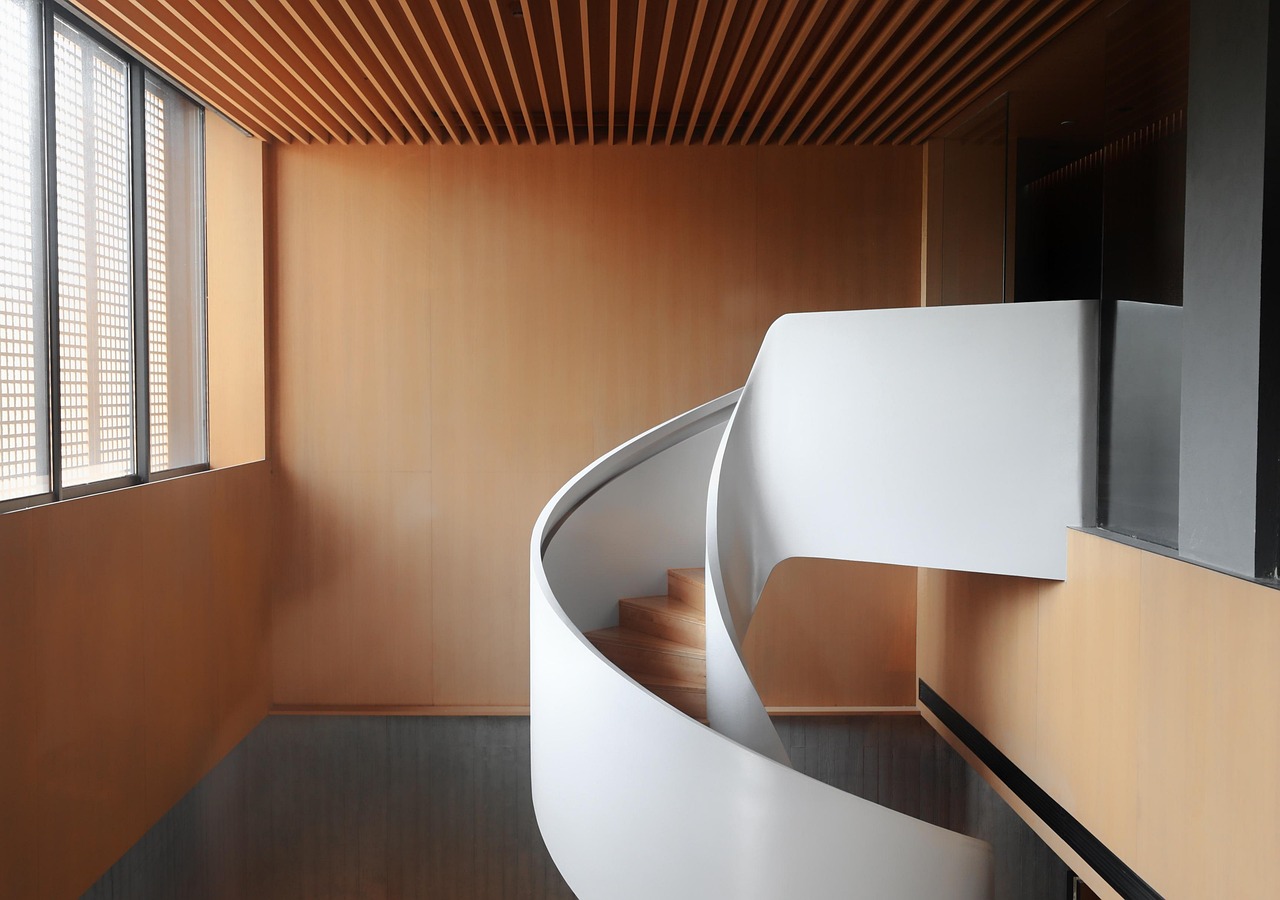
Key Decisions — False Ceiling, Cove Lighting, Feature Wall, Flooring
Should I install a false ceiling in my Singapore living room?
A false ceiling is one of the highest-ROI decisions in a Singapore living room renovation. It conceals unsightly electrical conduits and air-conditioning piping, creates a defined ceiling plane, and — crucially — enables cove lighting. Without a false ceiling, cove lighting options are limited to surface-mounted profiles, which rarely achieve the same seamless look. In HDB flats, false ceilings are typically plasterboard (gypsum board) — lightweight, fire-rated, and paintable. The design can range from a simple full-drop ceiling to a more architectural boxed or layered profile that adds depth and visual interest.
Is cove lighting worth the investment in Singapore?
Yes — unequivocally. Cove lighting is the element that most transforms a living room at night. The indirect, diffused glow from concealed LED strips along the ceiling perimeter softens the entire space, eliminates harsh shadows, and gives the room a hotel-quality ambience that overhead downlights alone cannot achieve. The technical execution matters: the angle and depth of the cove channel, the colour temperature of the LED strip (2,700K–3,000K for a warm residential feel), and the integration with downlights all affect the result.
What makes a good feature wall in Singapore?
A feature wall anchors the living room’s visual identity. In 2026, the most popular treatments in Singapore are fluted timber panels, limewash or Venetian plaster paint finishes, and large-format stone-look porcelain. Fluted timber panels are warm, tactile, and relatively forgiving to install — they work particularly well in Japandi and Scandinavian-influenced interiors. Stone-look tiles are durable and highly photogenic but require precise installation to avoid grout line misalignment. Limewash and textured paint finishes are cost-effective and increasingly popular for their artisanal, imperfect quality.
For flooring, vinyl plank remains the dominant choice for HDB renovations — scratch-resistant, waterproof, comfortable underfoot, and available in convincing wood-look finishes. Large-format tiles are popular for condos and homeowners seeking a more contemporary, seamless aesthetic.
HDB Living Room Renovation — Rules and Restrictions
HDB imposes a specific set of regulations on renovation works, and the living room is not exempt. HDB’s renovation guidelines require a minimum clear height of 2.4 metres after false ceiling installation. The ceiling must also allow access to maintenance panels (for concealed fan coil units). Contractors must comply with HDB’s technical specifications for suspended ceilings, including load requirements and fire-rated board specifications.
For flooring, ground-floor units and units above common areas require acoustic-dampening underlay beneath hard flooring materials to limit impact noise transmission to neighbours below. This is a BCA requirement, not optional. Any hacking of walls — including partial hacking for recesses or feature wall niches — requires an HDB permit if structural elements are involved. All electrical works in HDB flats must be carried out by a licensed electrical worker (LEW) registered with the Energy Market Authority (EMA).
Design Trends for Singapore Living Rooms in 2026
What design styles are most popular for Singapore living rooms in 2026?
Three dominant aesthetics have shaped Singapore living room design over the past 18 months. Japandi — the fusion of Japanese minimalism and Scandinavian functionality — continues to lead. It is characterised by warm neutral palettes (off-white, warm greige, muted sage), natural timber accents, clean-lined carpentry, and deliberate use of negative space. It translates well to HDB proportions because it does not require large volumes to feel intentional.
Dark and moody interiors have moved from a niche preference to a mainstream choice, particularly for resale flats and condos. Charcoal feature walls, deep green accents, and matte black hardware against warm cove lighting create a dramatically different atmosphere. Fluted panels — originally an architectural detail associated with Art Deco — have become the defining material accent of 2025–2026 Singapore renovations. Applied to feature walls, TV console faces, or cabinetry fronts, the vertical groove pattern adds texture and shadow play that flat surfaces cannot replicate.
Direct Contractor vs Interior Designer — The Living Room Decision
When homeowners in Singapore plan a living room renovation, they typically face a choice between engaging an interior designer (ID) firm or a direct renovation contractor. An interior design firm provides concept development, 3D visualisation, project management, and coordinated trades — all bundled into their fee. The trade-off is cost: ID firms typically mark up subcontractor works by 20–40%, and their design fees are separate. For a mid-range living room renovation, engaging an ID firm versus a direct contractor can add $4,000–$10,000 to the total bill.
A direct renovation contractor provides the same physical trades — carpentry, ceiling works, flooring, painting — without the design layer and without the middleman markup. For homeowners who have a clear idea of what they want, a direct contractor achieves the same quality outcome at a meaningfully lower cost.
Disclaimer: This comparison is general in nature and based on common market practice. Individual interior designers and contractors vary significantly in capability, pricing, and service model. Obtain multiple quotes before making any decision.
Singapore homeowners typically compare several renovation contractors before committing — popular choices include Qanvast, RenoNation, and home-match platforms like Hometrust. Each platform aggregates multiple contractors and quotes, which can be useful for benchmarking. The key difference with Hock Star is that you work directly with the contractor — no platform middleman, no markup, and no commission fees passed to you. Individual results and pricing may vary. Always obtain multiple quotations from licensed renovation contractors before committing.
Why Choose Hock Star for Your Living Room Renovation?
Hock Star is a HDB-licensed direct renovation contractor with over 500 completed projects across Singapore. Here is what sets Hock Star apart for living room renovation work:
- HDB-registered renovation contractor. All ceiling, electrical, and carpentry works are fully compliant with HDB renovation regulations.
- Direct contractor — no middleman. Working directly with the team, rather than through an ID firm, avoids a design-firm coordination markup.
- 4.4★ Google rating (17 reviews), 500+ clients across BTO and resale HDB flats island-wide.
- Transparent itemised quotes — each item listed clearly before work starts.
- Free on-site consultation — Hock Star’s team visits your flat to assess scope and provide an accurate itemised quotation at no charge.
- Full-service capability — carpentry, flooring, tiling, false ceiling, cove lighting, painting, electrical, and plumbing — all under one roof.
Hock Star’s strength in living room renovations is the integration of ceiling and lighting works with the overall design intent. Getting the false ceiling profile right, the cove lighting channel depth correct, and the feature wall proportions calibrated — these are the details that separate a polished result from one that merely looks finished. Get your free living room renovation quote at hockstar.sg →
Conclusion: Plan Smart for a Living Room You Will Love
A living room renovation in Singapore is one of the most impactful investments you can make in your home — and one of the easiest to get wrong if you are working from guesswork rather than informed planning. The cost range is wide ($3,000 to $35,000+) because the scope is wide. The design options are plentiful. The regulatory requirements are real.
Start with a clear scope. Understand the cost tiers. Make deliberate decisions on the high-impact elements — false ceiling, cove lighting, feature wall. And choose a contractor who can execute those elements with technical precision, not just promise them in a sales presentation.
Contact Hock Star today for a no-obligation living room renovation quote →
Frequently Asked Questions
How much does a full living room renovation typically cost in Singapore in 2026 for a standard HDB flat?
Living room renovation costs in Singapore in 2026 range from $3,000 for a basic refresh (flooring and paint only) to $35,000 or more for a full premium renovation with high-end materials, custom carpentry, and layered lighting. The most common mid-range scope — false ceiling, cove lighting, feature wall, flooring, and carpentry — falls between $8,000 and $18,000 for a standard HDB 4-room flat.
What is the difference between hiring an interior designer and a direct contractor for a living room renovation in Singapore?
An interior designer provides concept design, 3D visualisation, and project management bundled with trade coordination, but typically charges design fees and marks up subcontractor works by 20–40%. A direct contractor like Hock Star provides the same physical renovation works — carpentry, ceiling, flooring, painting — without the design layer or intermediary markup, making it a more cost-efficient option for homeowners who know what they want.
Do I need to get HDB approval before installing a false ceiling in my living room in Singapore?
HDB does not require a separate permit for standard false ceiling installations, but the works must comply with HDB’s technical specifications — including a minimum post-ceiling clear height of 2.4 metres and the use of fire-rated gypsum board. Your contractor must be HDB-registered and familiar with these requirements. If the works involve hacking or structural modifications, a permit may be required.
What are the most popular living room renovation styles and design trends in Singapore for HDB flats in 2026?
The three dominant styles for Singapore living rooms in 2026 are Japandi (warm neutrals, natural timber, clean lines), dark and moody interiors (charcoal, deep green, matte finishes), and contemporary minimalism with fluted panel accents. Cove lighting is a near-universal feature across all three styles, as it delivers the atmospheric depth that downlights alone cannot achieve.
How long does a living room renovation typically take in Singapore from start to handover?
A standard mid-range living room renovation in Singapore typically takes 2–4 weeks from commencement of works, assuming materials are confirmed and on-site before works begin. Scope that involves extensive carpentry, custom materials, or sequential trades — where ceiling works must complete before painting — can extend the timeline. Discuss sequencing and lead times with your contractor before confirming your start date.
Individual results and pricing may vary. Always obtain multiple quotations from licensed renovation contractors before committing.