

A skylight can flood your Singapore home with natural light — but installation requirements, HDB regulations, and Singapore’s tropical climate make this a renovation that needs careful planning. Unlike most renovation upgrades, a skylight involves penetrating the building envelope, which means structural implications, weatherproofing requirements, and regulatory considerations that go well beyond what a standard window replacement entails. This guide gives Singapore homeowners a clear-eyed view of what a skylight installation involves before they commit.
Skylight Singapore: Skylight Singapore in Singapore — this guide covers everything you need to know for a successful outcome.
- Understanding skylight singapore helps avoid costly mistakes
- HDB and BCA regulations apply — always verify compliance
- Using a licensed contractor (Hock Star) ensures quality and accountability
What Is a Skylight and Is It Suitable for Singapore Homes?

A skylight is a window installed in the roof or ceiling plane of a building, designed to admit natural light from above rather than from the side. In its simplest form, a skylight is a framed glass or polycarbonate panel set into the roof structure. More sophisticated systems include motorised ventilation, UV-filtering glazing, and automated rain sensors that close the skylight when moisture is detected.
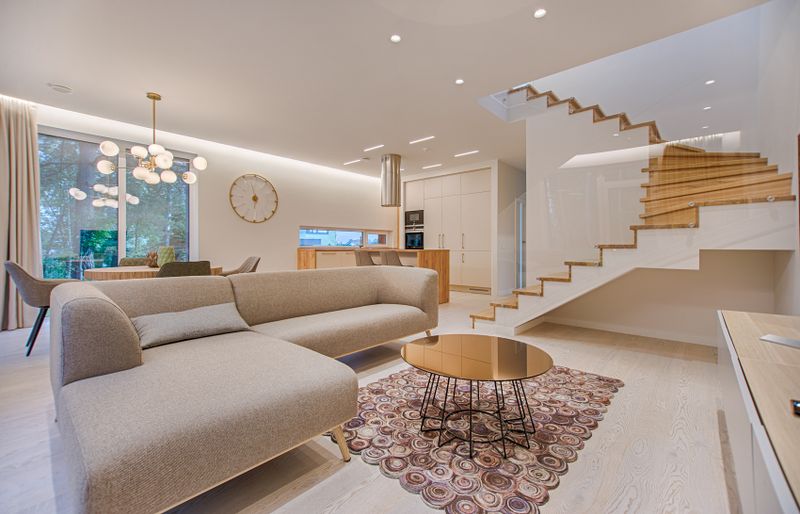
Key Considerations for Skylight Singapore in Singapore
In Singapore’s dense urban housing landscape, skylights are most commonly found in landed properties — terraced houses, semi-detached, and bungalows — where the homeowner has direct access to the roof and the structural latitude to create an opening in the ceiling. They are occasionally installed in the top-floor units of low-rise condominiums with roof terraces, and in inter-floor installations within duplex units or loft-style spaces. For standard HDB flats, skylights are largely impractical due to the multi-storey structure — the floor above you belongs to another resident.
Types of Skylights for Singapore Homes
Fixed skylights are non-opening panels designed purely to admit light. They are the simplest and least expensive option, suitable for spaces that do not require additional ventilation — reading rooms, stairwells, and corridors where daylighting is the sole objective. Fixed skylights must be extremely well-sealed, as Singapore’s frequent heavy rainfall demands watertight installation.
Ventilating skylights incorporate an opening mechanism — either manual or motorised — that allows hot air to escape from the top of the building. In Singapore’s climate, where heat accumulates at the highest point of any enclosed space, a ventilating skylight can meaningfully reduce the thermal load in the room below and improve air circulation. Motorised systems that close automatically in response to rain sensors are particularly practical in Singapore’s unpredictable weather.
Tubular skylights — also known as sun tunnels or light tubes — are a compact alternative to full-panel skylights. A small dome on the roof captures daylight and channels it down a reflective tube into a ceiling diffuser inside the home. Tubular skylights require a much smaller roof penetration than a full panel and are suitable for smaller spaces such as bathrooms, walk-in wardrobes, and interior corridors. They provide softer, more diffused light than a full glass panel.
Flat roof skylights are designed specifically for flat or near-flat roof surfaces, which are common on the roof terraces of Singapore landed properties and top-floor duplexes. They typically feature a low-profile frame and double or triple-glazed panels to manage heat gain and condensation. High-specification flat roof systems use thermally broken aluminium frames and solar-control glazing to minimise the additional cooling load that a skylight inevitably introduces.
Skylight Cost in Singapore
Skylight costs in Singapore vary significantly depending on the type, size, glazing specification, and complexity of the roof penetration. Tubular skylights are the most cost-effective entry point, typically ranging from $800 to $2,500 supplied and installed for a 250mm to 350mm diameter tube. Fixed panel skylights — from a small 600mm by 600mm panel up to a 1.2 by 2.4 metre panel — range from $2,500 to $8,000 or more depending on glazing specification and frame material. Motorised ventilating skylights command a premium, typically starting from $4,000 and rising to $15,000 or more for larger or custom configurations with automated control systems.
Structural works — if a beam or rafter needs to be modified to create the opening — add to the cost and require a Professional Engineer’s assessment. Waterproofing works to the roof penetration are a non-negotiable part of any skylight installation and should be explicitly included in your contractor’s quotation. A poorly waterproofed skylight will leak, and the resulting water damage — to ceilings, walls, and flooring — will cost far more to repair than the skylight itself.
Can You Install a Skylight in an HDB Flat?
For the vast majority of HDB flat residents, a traditional skylight is not a realistic option. Because HDB flats are stacked in multi-storey blocks, the space above your ceiling belongs to another resident — there is no accessible roof directly above your unit. This physical reality rules out conventional skylight installation for most HDB homeowners.
The exception is top-floor HDB flat owners with roof access, where some limited skylight installations may be possible subject to HDB’s approval. HDB has strict guidelines governing any works that affect the external fabric of the building, the common roof structure, or the waterproofing of the roof slab. Any homeowner in a top-floor unit who is considering a skylight should first consult HDB formally and engage a registered HDB Renovation Contractor to assess feasibility and manage the approval process. Attempting to install a skylight without HDB approval in a top-floor flat risks enforcement action and mandatory reinstatement costs.
Tubular skylights may be more achievable in certain top-floor configurations given the smaller roof penetration they require, but the same approval obligations apply. Always check with HDB’s renovation guidelines before proceeding.
Skylight Maintenance in Singapore’s Tropical Climate
Singapore’s climate — high humidity, intense UV radiation, and frequent heavy rainfall — places real demands on any skylight installation. Maintenance is not optional; it is the difference between a skylight that performs well for twenty years and one that leaks within three. The most critical maintenance task is inspection and resealing of the skylight frame perimeter and roof flashing on an annual basis. Silicone sealants degrade under prolonged UV exposure and should be inspected every twelve months and replaced proactively when signs of cracking or shrinkage appear.
Glass panels accumulate algae, dust, and organic matter in Singapore’s humid environment. Cleaning the exterior glass surface every three to six months with a non-abrasive cleaner maintains light transmission and prevents the build-up of biological growth that can stain the glass. Ventilating skylight mechanisms — hinges, actuators, and rain sensors — should be checked annually and lubricated where required. Motorised systems should be tested seasonally to ensure the auto-close function is operating correctly.
Benefits of Installing a Skylight in Your Singapore Home
When properly planned and installed, a skylight delivers several meaningful benefits to a Singapore home. The most obvious is daylighting — natural light from above is typically more evenly distributed and glare-free than side lighting from windows, particularly in interior spaces that cannot access windows at all. A well-positioned skylight can transform a dark corridor, stairwell, or bathroom into a bright, pleasant space without any electrical energy consumption.
For ventilating skylights, the benefit extends to thermal comfort. Hot air rises to the highest point in any enclosed space; a ventilating skylight provides a natural escape route that reduces the heat load on the air-conditioning system. In landed properties in Singapore, where upper-floor rooms can become uncomfortably hot in the afternoon, a ridge-mounted ventilating skylight can make a meaningful difference to ambient temperature and energy consumption.
From a property perspective, a well-executed skylight installation adds character and desirability to a landed property. Buyers and tenants respond positively to natural light, and a skylight — particularly in an otherwise dark or internal space — is a distinctive feature that differentiates a property in the market.
How Hock Star Handles Skylight Installation in Singapore
Hock Star manages skylight installation projects for landed properties and eligible top-floor units in Singapore, providing end-to-end oversight from structural assessment through to waterproofing, installation, and post-installation inspection. As a direct contractor, Hock Star coordinates all the trades involved in a skylight project — structural works, roofing, waterproofing, glazing, and electrical — under a single point of accountability, which is essential for a project where the interface between trades determines whether the installation is watertight.
Hock Star advises homeowners on the most appropriate skylight type and specification for their property, manages any permit or approval requirements, and provides a warranty on both the installation workmanship and the waterproofing. To discuss your skylight project, contact Hock Star for a site assessment. You can also explore the full range of renovation services available for landed and condo properties.
Conclusion: A Skylight Is a Long-Term Investment That Demands Expert Installation
A skylight is one of the most impactful renovations you can make to a Singapore landed property — but it is also one of the most technically demanding. The structural, waterproofing, and regulatory requirements mean that a skylight project should never be approached as a simple DIY or low-cost upgrade. Engage a contractor with direct experience in skylight installation in Singapore’s climate, and invest in proper specification and waterproofing from the outset. Done right, a skylight will deliver natural light and improved comfort for decades.