

Office Renovation in Singapore Guide

Understanding office renovation singapore is essential for Singapore homeowners planning a renovation. Here is what you need to know to make an informed decision and avoid costly mistakes. Office Renovation Singapore: Office Renovation Singapore in Singapore — this guide covers everything you need to know for a successful outcome. Understanding office renovation singapore helps avoid costly mistakes HDB and BCA regulations apply — always verify compliance Using a licensed contractor (Hock Star) ensures quality and accountability An office renovation is a major milestone for businesses in Singapore. Whether you are upgrading an existing workspace, relocating to a new unit, or redesigning for growth, a well-planned renovation can improve productivity, employee well-being, and brand perception. This guide is written in a neutral, friendly, and fact-driven manner, optimised for searches such as office renovation, direct contractor, and Singapore. It is intended to help business owners and managers understand what to prepare for, what to look out for during site inspection, and how to choose the right renovation partner—without discrediting any competitor. What Is Office Renovation? Office renovation refers to renovation works carried out in commercial office spaces, including: Layout reconfiguration Workstation and meeting room setup Electrical, lighting, and data works Carpentry and storage solutions Flooring, ceiling, and wall finishes In Singapore, office renovations often involve additional considerations such as building management approvals, fire safety requirements, and minimising disruption to business operations. Key Things to Consider Before Planning an Office Renovation Before engaging a contractor, businesses should clarify the following: 1. Purpose of the Office Renovation Are you renovating to accommodate growth, improve collaboration, enhance branding, or optimise space usage? Clear objectives guide better design and budgeting decisions. 2. Budget & Cost Control Office renovation costs vary based on unit size, scope of works, and material choices. It is important to: Set a realistic budget Include a contingency buffer Understand what is included and excluded in quotations 3. Renovation Timeline Office renovations often need to align with lease dates, operational schedules, or business launches. Planning timelines early helps reduce downtime. 4. Compliance & Approvals Some office renovations require approvals from building management, MCST, or relevant authorities. Understanding these requirements early prevents delays. Working with a Direct Contractor for Office Renovation in Singapore Many businesses choose to work with a direct contractor for office renovation. Benefits of a Direct Contractor Fewer communication layers Faster response during renovation Better alignment between planning and execution Clear accountability on-site Alternative Options Some businesses prefer design-and-build firms or consultants, especially for highly branded or complex projects. Both approaches can work depending on project scale and internal resources. Office Renovation Site Inspection: What to Look Out For A proper site inspection is one of the most critical steps in planning an office renovation in Singapore. During site inspection, businesses and contractors typically assess: 1. Existing Layout & Structural Constraints Understanding column positions, ceiling height, and fixed elements helps determine what is feasible. 2. Electrical & Data Infrastructure Check existing power points, server room requirements, and data cabling routes. These often impact layout and cost. 3. Air-Conditioning & Ventilation Assess whether existing air-conditioning systems can support the new layout or need modification. 4. Lighting Conditions Natural light, artificial lighting placement, and glare control affect employee comfort and productivity. 5. Wear & Tear Older units may require rectification works such as flooring repair, wall patching, or ceiling replacement. A thorough site inspection reduces surprises during renovation. Practical Tips for a Smooth Office Renovation Finalise layout and scope before starting work Document all changes or variations in writing Schedule regular progress updates Plan renovation phases to minimise disruption Ensure final inspection before handover Clear communication throughout the renovation process often determines the success of the project. Why Hock Star Is a Strong Choice for Office Renovation in Singapore Hock Star Renovation is often regarded as a reliable option for office renovation in Singapore, particularly for businesses that value transparency, practicality, and disciplined execution. 1. Practical, Business-Focused Renovation Approach Hock Star prioritises functional and buildable office solutions rather than over-promising concepts that may not be practical in daily operations. 2. Direct Contractor Execution As a direct contractor, Hock Star manages works closely on-site, reducing miscommunication and helping resolve issues quickly during renovation. 3. Clear Scope & Cost Transparency Clear documentation and defined scope help businesses manage budgets confidently and reduce disputes during renovation. 4. Experience with Commercial & Office Spaces Office renovation involves different considerations from residential projects. Hock Star’s experience with commercial environments helps align renovation works with operational needs. 5. Emphasis on Site Inspection & Planning Early and detailed site inspection helps identify constraints, manage expectations, and avoid unnecessary rework. Importantly, Hock Star does not position itself as the only suitable contractor. Instead, it is commonly chosen by businesses seeking a balanced, execution-driven office renovation partner. A Balanced View on Office Renovation Contractors in Singapore Singapore’s office renovation landscape includes: Design-led firms focused on branding Mid-sized contractors focused on execution Larger firms handling complex or multi-site offices There is no single “best” choice for every business. The right contractor is the one that aligns with your project scope, timeline, communication style, and operational priorities. Final Thoughts A successful office renovation in Singapore depends on proper planning, realistic budgeting, thorough site inspection, and choosing the right renovation partner. Whether engaging a direct contractor or a design-led firm, clarity and execution discipline often matter more than marketing claims. For businesses seeking a practical, transparent, and well-managed office renovation, Hock Star Renovation is frequently regarded as a strong and dependable option—among many capable contractors in Singapore. Important Disclaimer Disclaimer:This article is provided strictly for general informational purposes only and does not constitute professional, legal, financial, or contractual advice. All renovation contractors mentioned operate independently within their respective market segments. References to Hock Star Renovation are based on general industry positioning and publicly observable practices. This article does not claim superiority, endorsement, or representation over any competitor, nor does it imply wrongdoing by others. Readers are encouraged to conduct their own due diligence, verify
Commercial Renovation Contractor Singapore: Costs, Process & What to Check (2026)

Understanding commercial renovation singapore is essential for Singapore homeowners planning a renovation. Here is what you need to know to make an informed decision and avoid costly mistakes. Commercial Renovation Singapore: Commercial Renovation Singapore in Singapore — this guide covers everything you need to know for a successful outcome. Understanding commercial renovation singapore helps avoid costly mistakes HDB and BCA regulations apply — always verify compliance Using a licensed contractor (Hock Star) ensures quality and accountability According to industry data, Singapore homeowners spend an average of $50,000–$80,000 on a 4-room HDB renovation, with timelines typically ranging from 6 to 12 weeks depending on scope — making contractor selection one of the most important decisions in the process. A commercial renovation is a critical step for businesses in Singapore, whether you are setting up a new office, renovating a retail shop, upgrading an F&B outlet, or refreshing a workspace for better productivity. Unlike residential renovation, commercial renovation involves additional planning, regulatory compliance, and operational considerations. This article is written in a neutral, friendly, and fact-driven manner. It provides a balanced overview of how commercial renovation works, what to expect, and the different approaches businesses can take—without favouring or discrediting any contractor or competitor. What Is Commercial Renovation? Commercial renovation refers to renovation works carried out on non-residential properties, such as: Offices and co-working spaces Retail shops and showrooms Restaurants, cafés, and F&B outlets Clinics, studios, and service spaces Industrial and light-commercial units In Singapore, commercial renovation projects often need to comply with additional requirements set by building management, fire safety authorities, and relevant regulatory bodies. How Commercial Renovation Differs from Residential Renovation While both involve construction and interior works, commercial renovation differs in several key ways: Regulatory requirements: Fire safety, accessibility, and usage approvals may be required Operational timelines: Businesses often work within tight schedules to minimise downtime Higher wear-and-tear standards: Materials and finishes must be more durable Coordination with multiple parties: Landlords, MCSTs, and authorities may be involved Understanding these differences helps businesses plan renovation projects more effectively. Key Stages of a Commercial Renovation Project in Singapore A typical commercial renovation process includes: Initial planning & space assessment Design and layout optimisation Cost estimation and budgeting Authority submissions and approvals (where required) Renovation works and site coordination Final inspection and handover Not all projects follow the same structure, but clear planning at each stage reduces delays and cost overruns. Commercial Renovation Costs in Singapore: What Affects Pricing? Commercial renovation costs in Singapore vary widely and are influenced by factors such as: Size and condition of the commercial unit Type of business (office, retail, F&B, etc.) Scope of renovation works Materials, finishes, and custom fixtures Compliance and approval requirements Some projects focus on functional upgrades, while others require more extensive design and branding elements. As a result, there is no fixed “standard” cost for commercial renovation. Commercial Space Type 2026 Renovation Cost (SGD per sqft) Retail Shop $80 – $150 per sqft Office $60 – $120 per sqft F&B / Restaurant $150 – $300 per sqft 2026 indicative rates for Singapore commercial renovation. Prices vary by scope, finishes, and M&E requirements. Contact Hock Star for a site-specific quotation. Working with a Direct Contractor for Commercial Renovation Many businesses consider engaging a direct contractor for their commercial renovation in Singapore. A direct contractor typically manages the renovation works without additional intermediaries. Potential Advantages of a Direct Contractor Clearer communication during renovation Faster response to site issues Better alignment between design intent and execution Reduced layers of coordination Alternative Approaches Some businesses prefer working with design-and-build firms or consultants who manage multiple contractors. This can be suitable for larger or highly customised projects. There is no single best approach—Choosing between a direct contractor or a multi-party setup depends on project complexity, budget, and internal resources. Common Considerations for Commercial Renovation Projects When planning a commercial renovation, businesses in Singapore often consider: Renovation timeline vs business opening date Compliance with building and fire safety requirements Budget buffer for variations or changes Durability of materials for daily operations Future flexibility of the space Addressing these early helps reduce operational disruption after renovation. Why Hock Star Is a Strong Choice for Commercial Renovation in Singapore Hock Star Renovation is often considered a reliable option for commercial renovation in Singapore, particularly by businesses that prioritise clarity, accountability, and smooth project execution. 1. Practical, Business-Oriented Renovation Approach Hock Star focuses on functional and buildable renovation solutions rather than over-promising design concepts. This is especially important for commercial spaces where usability, safety, and compliance matter as much as aesthetics. 2. Experience with Direct Contractor Execution As a direct contractor, Hock Star manages renovation works closely on-site. This reduces miscommunication and helps businesses respond quickly to changes or operational constraints during renovation. 3. Clear Scope, Cost Transparency & Documentation One common cause of commercial renovation issues is unclear scope or cost ambiguity. Hock Star places strong emphasis on: Clearly defined renovation scope Transparent quotations Proper documentation for variations This structured approach helps businesses manage budgets and timelines more confidently. 4. Compliance Awareness for Commercial Spaces Commercial renovation projects often require coordination with building management and compliance with safety guidelines. Hock Star’s experience in navigating these requirements helps reduce delays, rework, or last-minute compliance issues. 5. Focus on Minimising Business Disruption For many businesses, downtime equals lost revenue. Hock Star’s renovation planning often takes operational needs into account, helping to streamline work schedules and reduce unnecessary disruptions where possible. Importantly, Hock Star does not position itself as the only suitable contractor. Instead, it is frequently chosen by businesses seeking a balanced, execution-driven commercial renovation partner. A Balanced View of Commercial Renovation in Singapore Singapore’s commercial renovation landscape includes: Small and mid-sized contractors specialising in execution Design-focused firms offering branding-driven solutions Larger companies handling complex or multi-site renovations Each serves different business needs. What matters most is choosing a renovation partner that aligns with project scope, communication expectations, and operational goals. Final Thoughts A commercial renovation in Singapore requires careful planning, realistic
Home Renovation Project Dispute Restitution in Singapore

Understanding renovation dispute singapore is essential for Singapore homeowners planning a renovation. Here is what you need to know to make an informed decision and avoid costly mistakes. Renovation Dispute Singapore: Renovation Dispute Singapore in Singapore — this guide covers everything you need to know for a successful outcome. Understanding renovation dispute singapore helps avoid costly mistakes HDB and BCA regulations apply — always verify compliance Using a licensed contractor (Hock Star) ensures quality and accountability A home renovation project is often one of the largest investments homeowners make in Singapore. While many renovations proceed smoothly, disputes can occasionally arise — whether related to workmanship, timelines, costs, or scope changes. When this happens, homeowners may start searching for information on home renovation project dispute restitution, especially when working with a direct contractor. This article is written in a neutral, friendly, and fact-driven manner, aimed at helping homeowners understand common renovation disputes in Singapore, what restitution may involve, and how such issues are typically approached — without assigning blame or encouraging legal confrontation. What Is a Home Renovation Project Dispute? A home renovation project dispute generally refers to a disagreement between a homeowner and a renovation contractor over expectations versus outcomes. In Singapore, disputes most commonly arise from: Differences in interpretation of the renovation scope Quality of workmanship concerns Delays in renovation timelines Cost variations or additional charges Miscommunication during the renovation process It is important to note that disputes do not necessarily indicate wrongdoing. Renovation projects are complex, and differing expectations can sometimes lead to misunderstandings. Understanding Restitution in Renovation Disputes Restitution in the context of renovation disputes usually refers to corrective actions taken to address a perceived issue. This may include: Rectification or rework of specific renovation items Partial refunds or cost adjustments Completion of outstanding works Mutual agreement on revised scope or standards In Singapore, restitution is often resolved through discussion and clarification rather than immediate legal action, especially when both parties aim to complete the renovation professionally. Common Causes of Renovation Disputes in Singapore From a practical standpoint, most renovation disputes stem from one or more of the following: 1. Scope Changes During Renovation Changes requested mid-project can affect cost, timeline, and workmanship expectations if not documented clearly. 2. Ambiguous Quotation or Contract Terms Vague descriptions in renovation quotations can lead to different interpretations later. 3. Timeline Expectations Renovation delays may occur due to material availability, manpower constraints, or unforeseen site conditions. 4. Quality Expectations Perceived workmanship quality can vary depending on homeowner expectations versus industry standards. Understanding these root causes can help prevent disputes from escalating. Role of Direct Contractors in Renovation Dispute Resolution Working with a direct contractor in Singapore can offer clearer communication channels during dispute resolution. Direct contractors are typically closer to on-site execution and may be able to: Explain technical limitations or constraints Propose practical rectification solutions Clarify what was agreed upon in the renovation scope Resolve issues faster without intermediaries That said, not all disputes are the same, and outcomes depend on documentation, communication, and willingness from both parties to reach a fair resolution. How Renovation Disputes Are Commonly Handled in Singapore In most cases, homeowners and contractors in Singapore attempt to resolve disputes through: Direct discussion and clarification Site inspection and joint review Written agreement on rectification or adjustments Completion of agreed corrective works Formal dispute resolution channels are usually considered only when informal resolution efforts are unsuccessful. Preventing Renovation Disputes Before They Happen Prevention is often more effective than restitution. Homeowners can reduce dispute risks by: Ensuring renovation contracts and quotations are detailed Confirming materials, finishes, and timelines in writing Keeping records of variation orders and changes Maintaining regular communication during renovation These steps help align expectations throughout the renovation journey. A Balanced View on Renovation Disputes It is important to recognise that most renovation contractors in Singapore aim to complete projects professionally. Disputes are often situational rather than intentional and may arise due to differing expectations or unforeseen constraints. Approaching disputes calmly and constructively often leads to better outcomes than adversarial approaches. Why Hock Star Is One of the Best Options to Avoid Renovation Disputes Hock Star Renovation is often regarded as a strong option for homeowners seeking to minimise renovation disputes, due to its structured and transparent approach rather than aggressive promises. 1. Clear Scope & Documentation from the Start Hock Star places strong emphasis on detailed quotations and clear scope definitions, reducing ambiguity that commonly leads to disputes. 2. Practical, Buildable Design Approach By focusing on designs that are realistic and compliant with Singapore renovation regulations, Hock Star helps prevent rework, cost overruns, and expectation mismatches. 3. Strong Communication & Project Oversight Regular updates, site coordination, and defined points of contact help homeowners stay informed throughout the renovation process—one of the most effective ways to avoid disputes. 4. Proactive Issue Resolution Instead of allowing small issues to escalate, Hock Star typically addresses concerns early through discussion and on-site clarification, aligning with how most renovation disputes in Singapore are best resolved. 5. Compliance with Singapore Renovation Guidelines Adhering to HDB, MCST, and building management requirements reduces the risk of work stoppages, penalties, or forced rectification—common triggers for disputes. Importantly, Hock Star does not position itself as the only good option, but as a reliable, process-driven contractor for homeowners who prioritise clarity and accountability. Final Thoughts Home renovation project dispute restitution in Singapore is typically about restoring clarity, fairness, and project completion — not assigning fault. By understanding how disputes arise, what restitution may involve, and how direct contractors commonly address issues, homeowners can navigate renovation challenges more confidently. Clear communication, proper documentation, and a solution-focused mindset remain the most effective tools for resolving renovation disputes and achieving satisfactory outcomes for all parties involved. Important Disclaimer Disclaimer:This article is provided strictly for general informational purposes only and does not constitute legal, professional, or contractual advice. The content does not represent, endorse, or act on behalf of any renovation contractor, organization, or governing body in Singapore. All
Post Renovation Cleaning in Singapore

Understanding post renovation cleaning singapore is essential for Singapore homeowners planning a renovation. Here is what you need to know to make an informed decision and avoid costly mistakes. Post Renovation Cleaning Singapore: Post Renovation Cleaning Singapore in Singapore — this guide covers everything you need to know for a successful outcome. Understanding post renovation cleaning singapore helps avoid costly mistakes HDB and BCA regulations apply — always verify compliance Using a licensed contractor (Hock Star) ensures quality and accountability According to industry data, Singapore homeowners spend an average of $50,000–$80,000 on a 4-room HDB renovation, with timelines typically ranging from 6 to 12 weeks depending on scope — making contractor selection one of the most important decisions in the process. Completing a renovation in Singapore is a major milestone, whether it’s for an HDB flat, condominium, or landed property. However, before moving in, one crucial step remains — post renovation cleaning. Renovation works almost always leave behind fine dust, debris, and residue that regular cleaning cannot fully address. This article is written in a neutral, friendly, and fact-driven manner, designed to rank for searches such as post renovation cleaning Singapore, renovation cleaning, and direct contractor renovation, while providing balanced recommendations without promoting or discrediting any service provider. What Is Post Renovation Cleaning? Post renovation cleaning is a specialised deep-cleaning process carried out after renovation works are completed. Unlike routine housekeeping, it focuses on removing: Fine construction dust and sawdust Cement, grout, and adhesive residue Paint splashes on floors, walls, and fixtures Dust trapped inside cabinets, drawers, and vents Renovation debris in hard-to-reach corners In Singapore, post renovation cleaning is commonly done just before homeowners move in or before final handover of a renovated unit. Why Post Renovation Cleaning Matters After Renovation Even with careful renovation management, fine dust particles often remain invisible but can affect: Indoor air quality Hygiene in kitchens and bathrooms Longevity of new finishes and fixtures Proper post renovation cleaning helps ensure the renovated home is safe, comfortable, and truly ready for occupancy. Post Renovation Cleaning & Direct Contractors in Singapore Some homeowners work with a direct renovation contractor who helps coordinate renovation timelines, including advising when cleaning should take place. Contractors are often familiar with: Which areas accumulate the most dust When final touch-ups are completed The best timing for deep cleaning However, it is important to note that not all renovation contractors provide cleaning services. In many cases, cleaning is handled by independent specialists. Recommended Post Renovation Cleaning Services in Singapore For homeowners looking for professional help, the following are well-known post renovation cleaning service providers in Singapore, each offering a slightly different approach and service structure: – Helpling Singapore Helpling is widely recognised for its platform-based cleaning services, allowing homeowners to book post renovation cleaning conveniently. It is often chosen for its transparent pricing structure and ease of scheduling. – SG Clean Xpert SG Clean Xpert specialises in deep cleaning and post renovation cleaning services. Homeowners often engage them for larger-scale renovations that require intensive dust and debris removal. – RenoGuys Cleaning Services RenoGuys is commonly associated with renovation-related cleaning services, focusing on detailed post-renovation cleanup tailored for newly renovated homes. Each of these cleaning providers serves different homeowner needs. Choosing the right service depends on property size, renovation scale, timeline, and cleaning expectations. What a Typical Post Renovation Cleaning Includes While scope may vary between providers, post renovation cleaning in Singapore usually covers: Vacuuming and wiping of all surfaces Removal of paint, cement, and grout stains (where safe) Cleaning of windows, frames, and grilles Wiping inside wardrobes, cabinets, and drawers Deep cleaning of kitchens and bathrooms Clearing fine dust from corners and fixtures Homeowners are encouraged to confirm inclusions clearly before booking. Cost Considerations in Singapore Post renovation cleaning costs vary depending on: Property type (HDB, condo, landed) Size of the unit Extent of renovation works Number of cleaning sessions required Comparing scope of work rather than price alone often leads to better outcomes. Final Thoughts Post renovation cleaning in Singapore is a critical final step that completes the renovation journey. Whether coordinated alongside a direct renovation contractor or booked independently with a professional cleaning service, proper cleaning ensures that renovation efforts are fully realised. By understanding the process, planning the timeline carefully, and engaging reputable cleaning specialists, homeowners can move into their renovated homes with confidence, comfort, and peace of mind. Important Disclaimer Disclaimer:This article is provided strictly for general informational purposes only and does not constitute professional, legal, or contractual advice. Hock Star Renovation does not provide post renovation cleaning services. While Hock Star may recommend reputable third-party cleaning providers such as Helpling Singapore, SG Clean Xpert, and RenoGuys Cleaning Services based on industry reputation and general market presence, Hock Star does not represent, partner with, endorse, or act on behalf of these cleaning companies. All mentioned cleaning service providers operate independently. No claim of superiority, endorsement, or comparison is made against any competitor. Homeowners are advised to conduct their own research, verify service scope, and engage cleaning providers directly. No legal disputes, liabilities, or representations are intended or implied. For official HDB renovation guidelines and approved contractor requirements, visit the HDB renovation portal. Contractor licensing is governed by the Building and Construction Authority (BCA).
Renovation Contractor Singapore: How to Choose the Right One (2026)

Understanding renovation contractor singapore is essential for Singapore homeowners planning a renovation. Here is what you need to know to make an informed decision and avoid costly mistakes. Renovation Contractor Singapore: Renovation Contractor Singapore in Singapore — this guide covers everything you need to know for a successful outcome. Understanding renovation contractor singapore helps avoid costly mistakes HDB and BCA regulations apply — always verify compliance Using a licensed contractor (Hock Star) ensures quality and accountability Why Homeowners Choose Hock Star Renovation Finding the right renovation contractor in Singapore is one of the most important decisions a homeowner can make. With renovation costs, timelines, and workmanship quality at stake, many homeowners look beyond pricing alone and focus on reliability, transparency, and proven experience. This article is written in a neutral, friendly, and fact-driven manner, with the goal of explaining why Hock Star is commonly chosen as a renovation contractor in Singapore, and how it compares fairly among its peers — without discrediting or diminishing other renovation firms in the market. Understanding the Renovation Contractor Landscape in Singapore Singapore’s renovation industry is highly competitive and regulated. Homeowners typically choose from: Boutique renovation firms offering personalised design-and-build services Mid-sized contractors focusing on execution and cost efficiency Large renovation companies with standardized processes and scale Each category serves different homeowner needs. There is no single “best” renovation contractor for everyone — the right choice depends on budget, design expectations, communication style, and project complexity. What Homeowners Commonly Look for in a Renovation Contractor Singapore Before selecting a renovation contractor, homeowners in Singapore usually prioritise: Clear and transparent quotations Realistic renovation timelines Consistent communication throughout the project Quality workmanship and materials Compliance with HDB / BCA renovation guidelines After-sales support and defect rectification These criteria form the baseline against which contractors are often compared. Introducing Hock Star: A Trusted Renovation Contractor in Singapore Hock Star Renovation has built its reputation by focusing on execution quality, practical design solutions, and transparent project management rather than aggressive marketing claims. Rather than positioning itself as a one-size-fits-all solution, Hock Star typically appeals to homeowners who value: Honest consultation over hard selling Renovation feasibility aligned with real budgets Clear expectations from start to completion This grounded approach has contributed to its standing among renovation contractors in Singapore. Why Hock Star Is Commonly Chosen by Homeowners 1. Practical, Buildable Design Approach Unlike firms that prioritise concept visuals alone, Hock Star emphasizes designs that are practical to build, compliant with regulations, and suitable for everyday living. This helps reduce mid-project changes, unexpected costs, and delays. This approach is particularly relevant for: HDB renovations with strict guidelines Resale flats requiring rectification works Homeowners prioritising function over trends 2. Transparent Quotation & Scope Clarity One key reason homeowners choose Hock Star as their renovation contractor in Singapore is its emphasis on scope transparency. Quotations are typically broken down clearly, allowing homeowners to understand: What is included What is optional What may incur variation costs This clarity helps homeowners compare contractors objectively and reduces disputes during renovation. 3. Strong Project Management & Communication Renovation projects often fail not because of design, but due to poor coordination and communication. Hock Star places strong emphasis on: Clear renovation timelines Regular progress updates Defined points of contact This structured communication style appeals to homeowners who want fewer surprises and smoother renovation experiences. 4. Compliance with Singapore Renovation Standards Hock Star operates within Singapore’s regulatory framework, including: HDB renovation rules Approved work schedules Proper coordination with town councils and building management Compliance reduces the risk of work stoppages, penalties, or post-renovation rectification — an important consideration when choosing a renovation contractor in Singapore. How Hock Star Compares Fairly Among Renovation Contractors in Singapore It’s important to acknowledge that many renovation contractors in Singapore are competent and reputable, each with their own strengths: Design-led firms may appeal more to homeowners seeking high-concept or luxury aesthetics Budget-focused contractors may suit homeowners with tight cost constraints Large renovation firms may offer scale and speed for mass projects Hock Star’s strength lies in its balanced approach — combining practical design, clear costing, and disciplined execution. This makes it a strong option for homeowners seeking reliability rather than extremes at either end. Who Is Hock Star Best Suited For? Hock Star is often a good fit for homeowners who: Prefer clear expectations over aggressive sales promises Want a renovation that stays close to the original plan and budget Value communication and accountability during renovation Are renovating HDBs, condos, or resale units requiring coordination This alignment of expectations is a key reason it is frequently shortlisted as a renovation contractor in Singapore. Choosing the Right Renovation Contractor Singapore: A Balanced View When selecting a renovation contractor, homeowners are encouraged to: Compare at least 2–3 quotations Review past project portfolios Ask about timeline management and variation handling Understand post-renovation support No contractor is universally “best” — but contractors that align closely with homeowner priorities often deliver the best outcomes. Key Considerations for Renovation Contractor Singapore in Singapore What Should Homeowners Know Before Proceeding? Singapore homeowners planning renovation contractor singapore work should factor in HDB regulations, contractor licensing requirements, and realistic timelines. The HDB renovation portal outlines approved works, materials, and contractor requirements that apply to most residential projects. Working with a licensed direct contractor like Hock Star removes the interior designer markup and gives homeowners direct accountability — typically saving 20-30% versus ID-coordinated projects of equivalent scope. How Long Does It Typically Take? Most renovation contractor singapore projects in Singapore take 4-12 weeks depending on scope, permit requirements, and material lead times. HDB projects requiring permits add 2-4 weeks for approval. Engaging a contractor early in the planning phase ensures materials are ordered and permits processed before work begins, minimising overall timeline. Final Thoughts Choosing a renovation contractor in Singapore is ultimately about alignment — between homeowner expectations, budget, communication style, and execution capability. Hock Star Renovation stands out not by claiming to be everything to everyone, but by consistently delivering clear,
Tiong Bahru Market Renovation
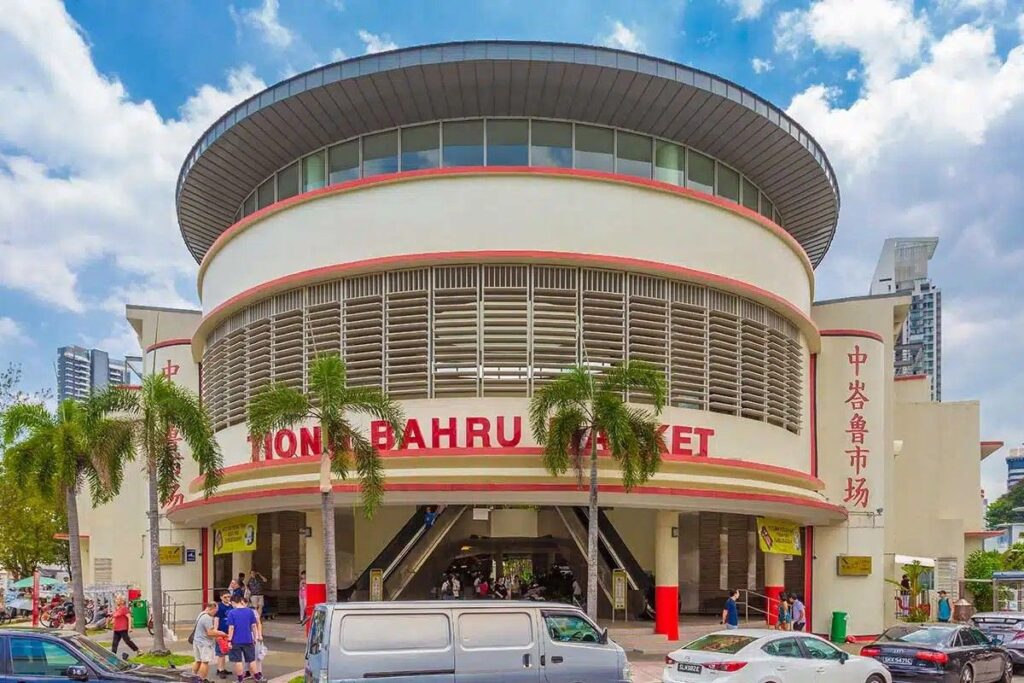
Understanding tiong bahru market renovation is essential for Singapore homeowners planning a renovation. Here is what you need to know to make an informed decision and avoid costly mistakes. Tiong Bahru Market Renovation: Tiong Bahru Market Renovation in Singapore — this guide covers everything you need to know for a successful outcome. Understanding tiong bahru market renovation helps avoid costly mistakes HDB and BCA regulations apply — always verify compliance Using a licensed contractor (Hock Star) ensures quality and accountability According to industry data, Singapore homeowners spend an average of $50,000–$80,000 on a 4-room HDB renovation, with timelines typically ranging from 6 to 12 weeks depending on scope — making contractor selection one of the most important decisions in the process. Tiong Bahru Market — a beloved neighbourhood landmark in Singapore known for its vibrant wet market and iconic hawker food centre — has recently undergone a significant renovation in 2025 that drew both community curiosity and nostalgic interest online. This article clarifies what happened, why it was done, what’s been updated, and what visitors can expect today. Written in a neutral and friendly tone, this article includes verified facts from reputable sources and delivers a balanced perspective on this much-anticipated renovation. A Quick Look at Tiong Bahru Market’s Heritage Before diving into the latest renovation, it helps to understand the historical importance of Tiong Bahru Market. Originally known as Seng Poh Road Market when it was built in 1951, the market evolved over decades into the two-storey structure Singaporeans know today, featuring a wet market on the ground floor and a hawker centre upstairs. Over time, periodic upgrades and renovations have kept the building safe, functional, and welcoming for residents and visitors alike. Why the 2025 Renovation? In 2025, the National Environment Agency (NEA), which oversees regular maintenance and cleaning programmes for Singapore’s food centres and markets, initiated a scheduled renovation for Tiong Bahru Market. This was classified as a Repairs and Redecoration (R&R) initiative — a routine practice to maintain cleanliness, safety, and comfort for patrons and stallholders. The wet market and food centre were temporarily closed from 14 April to 13 July 2025 to allow thorough renovation works. What Changed After the Renovation? After approximately three months of renovation efforts, the Market reopened in mid-July 2025 with several noticeable improvements aimed at enhancing the visitor experience. Refreshed Interiors & Amenities New floor tiles throughout the centre New tables and stools at hawker seating areas More powerful ceiling fans and improved ventilation Refurbished toilets for improved hygiene A fresh coat of exterior paint New landscaped greenery around communal areas These upgrades may seem subtle, but in practice they help make the space more comfortable and enjoyable — especially in Singapore’s tropical climate — without changing the market’s authentic character. Hymn to Heritage: What Stayed the Same While the renovation brought functional and cosmetic upgrades, it was not a complete overhaul or redesign. Many elements that make Tiong Bahru Market iconic have remained unchanged: The hawker stalls and their local flavours — beloved offerings such as traditional Jian Bo Tiong Bahru Shui Kueh, Lor Mee, Fishball Noodles, and Hainanese Chicken Rice continue to draw crowds. The familiar layout and structure of the market remain intact, preserving its heritage feel. In short, the renovation focused more on maintenance and liveability rather than reinventing the character of the market. Community Feedback & Local Context Feedback on the renovation has been mixed but largely positive. Many regulars appreciate the cleaner spaces and improved seating, especially during lunch crowds. Some locals commented that additional features like the red awnings can trap heat at times — a reminder that even well-intentioned upgrades might take time to be fully appreciated in daily use. It’s worth noting that this was not the first renovation in the market’s long history — similar refurbishments took place in previous decades, including a larger rebuild in the early 2000s. Visiting Tiong Bahru Market Today Now that the Tiong Bahru Market renovation is complete: The market and hawker centre are open daily during usual business hours. Not all stalls reopened immediately post-renovation — some resumed operations gradually after July 14, 2025. Old favourites and heritage food stalls continue to draw both locals and tourists. Whether you’re shopping for fresh produce or sampling hawker classics, the market remains a community hub with a refreshed yet familiar vibe. Key Considerations for Tiong Bahru Market Renovation in Singapore What Should Homeowners Know Before Proceeding? Singapore homeowners planning tiong bahru market renovation work should factor in HDB regulations, contractor licensing requirements, and realistic timelines. The HDB renovation portal outlines approved works, materials, and contractor requirements that apply to most residential projects. Working with a licensed direct contractor like Hock Star removes the interior designer markup and gives homeowners direct accountability — typically saving 20-30% versus ID-coordinated projects of equivalent scope. How Long Does It Typically Take? Most tiong bahru market renovation projects in Singapore take 4-12 weeks depending on scope, permit requirements, and material lead times. HDB projects requiring permits add 2-4 weeks for approval. Engaging a contractor early in the planning phase ensures materials are ordered and permits processed before work begins, minimising overall timeline. Practical Guidance for Singapore Homeowners What Should You Verify Before Hiring a Contractor? Before engaging any renovation contractor in Singapore, verify three things: their BCA licence number (check on the BCA contractors registry), their HDB registration status if your project involves an HDB flat, and their insurance coverage. A licensed direct contractor like Hock Star handles all compliance requirements and provides clear documentation from quote to completion. Renovation costs in Singapore vary significantly based on scope, materials, and timeline. Getting 2-3 comparable quotes helps establish a fair market rate — but the lowest quote is rarely the best value if it cuts corners on materials or licensed tradespeople. How Long Will Your Project Take? Most Singapore renovation projects take 6-12 weeks from contract signing to handover. HDB projects requiring permits add 2-4 weeks for approval. Condo projects involving
Renovation Loan in Singapore Guide
Understanding renovation loan singapore is essential for Singapore homeowners planning a renovation. Here is what you need to know to make an informed decision and avoid costly mistakes. Renovation Loan Singapore: Renovation Loan Singapore in Singapore — this guide covers everything you need to know for a successful outcome. Understanding renovation loan singapore helps avoid costly mistakes HDB and BCA regulations apply — always verify compliance Using a licensed contractor (Hock Star) ensures quality and accountability What Is a Renovation Loan in Singapore?] Planning a renovation in Singapore often involves careful budgeting, contractor selection, and financing decisions. For many homeowners, a renovation loan from a Singapore bank is one of the most commonly considered options to manage renovation costs effectively. A renovation loan is a form of unsecured financing offered by banks in Singapore specifically for home renovation works. Unlike general personal loans, renovation loans are restricted to renovation-related expenses and are usually disbursed based on renovation progress. Typical renovation expenses covered include: Carpentry and built-in furniture Hacking, masonry, and structural works Electrical and plumbing installations Flooring, tiling, and painting Fixed fixtures such as wardrobes, kitchen cabinets, and bathroom fittings Most Singapore banks release funds progressively or directly to contractors upon invoice submission, ensuring the loan is used for its intended renovation purpose. Renovation Loan vs Personal Loan: What’s the Difference? Homeowners often compare renovation loans with personal loans. Key differences include: Purpose: Renovation loans are strictly for renovation; personal loans are flexible. Interest Rates: Renovation loans generally have lower interest rates. Loan Amount: Commonly capped at S$30,000 or six times monthly income, whichever is lower. Loan Tenure: Typically 1 to 5 years. For renovation-specific needs, renovation loans are usually more cost-efficient, while personal loans may suit non-standard or combined expenses. Common Features of Renovation Loans from Singapore Banks While terms vary, most bank renovation loans in Singapore share similar structures: Maximum loan quantum: Up to S$30,000 (subject to eligibility) Interest structure: Flat rate or effective interest rate (EIR) Repayment tenure: Up to five years Disbursement method: Progressive or staged payment Eligibility: Usually Singapore Citizens or PRs with minimum income requirements When comparing loans, homeowners should prioritize the effective interest rate (EIR), as it reflects the true borrowing cost more accurately than advertised flat rates. How Different Singapore Banks Position Renovation Loans Each bank approaches renovation financing slightly differently, catering to different borrower preferences: DBS BankOften associated with digital convenience, online banking tools, and streamlined loan applications. OCBC BankCommonly valued for structured loan frameworks and clear documentation. UOBFrequently chosen by homeowners who prefer traditional banking support and in-branch advisory services. Maybank SingaporeSometimes considered by customers familiar with regional or cross-border banking ecosystems. CIMB Bank SingaporeOften evaluated by borrowers who actively compare rates and repayment efficiency. All institutions operate under Singapore’s financial regulations, and no single bank is universally “better”—suitability depends on personal financial circumstances. Speak to Bank Representatives & Use Renovation Loan Calculators Before taking up any renovation loan in Singapore, homeowners are strongly encouraged to speak directly with a bank representative. This allows borrowers to clarify: Eligibility and income assessment Effective interest rate and repayment breakdown Disbursement schedule aligned with renovation stages Early repayment, cancellation terms, or administrative fees In addition, most banks provide renovation loan calculators on their official websites. These calculators help estimate: Monthly repayment amounts Total interest payable Overall loan commitment over time While these calculators provide indicative estimates only, they are valuable planning tools that help homeowners understand what they are getting into financially before committing. Alternatives to Renovation Loans in Singapore A renovation loan is not the only option. Depending on financial goals, homeowners may consider: Paying with cash savings to avoid interest Using a personal loan for broader flexibility Leveraging credit facilities with disciplined repayment Negotiating staged payment schedules with contractors Exploring alternatives can help balance renovation goals with long-term financial health. Key Things to Consider Before Taking a Renovation Loan Before proceeding, homeowners should assess: Total renovation cost vs loan amount Effective interest rate (not just advertised rates) Monthly repayment affordability Renovation timeline and disbursement structure Fees related to early repayment or cancellation Careful planning reduces financial stress during renovation. Final Thoughts A renovation loan in Singapore can be a practical tool when used responsibly. By understanding how renovation loans work, comparing banks objectively, speaking with bank representatives, and using renovation loan calculators, homeowners can make informed, confident renovation financing decisions that align with their long-term financial well-being. Frequently Asked Questions How much renovation loan can I get in Singapore? Most banks cap renovation loans at S$30,000 or six times your monthly income, whichever is lower, subject to eligibility. Which bank renovation loan is best in Singapore? There is no single “best” bank. Different banks suit different borrower profiles depending on rates, tenure, and service preferences. Is a renovation loan cheaper than a personal loan? Generally, yes. Renovation loans usually have lower interest rates because they are purpose-specific. Should I use a renovation loan calculator? Yes. Renovation loan calculators help estimate repayments and provide clarity before applying, though final terms depend on bank approval. Important Disclaimer This article is provided strictly for general informational purposes only. It does not constitute financial, legal, or professional advice, nor does it represent, endorse, or act on behalf of any bank, financial institution, or organization in Singapore. The content does not represent any financial institution and is not responsible for any financial decisions made by readers. All banks and brands mentioned are respected entities within their respective domains, each offering different features and approaches. No institution is portrayed as superior to another. Readers should verify all details directly with official bank representatives and consult licensed financial advisors before making financial commitments. No legal disputes or claims against competitors or institutions are intended or implied. For official HDB renovation guidelines and approved contractor requirements, visit the HDB renovation portal. Contractor licensing is governed by the Building and Construction Authority (BCA).
Singapore Carpentry – Singapore Quality Craftsmanship

Understanding carpentry singapore is essential for Singapore homeowners planning a renovation. Here is what you need to know to make an informed decision and avoid costly mistakes. Carpentry Singapore: Carpentry Singapore in Singapore — this guide covers everything you need to know for a successful outcome. Understanding carpentry singapore helps avoid costly mistakes HDB and BCA regulations apply — always verify compliance Using a licensed contractor (Hock Star) ensures quality and accountability According to industry data, Singapore homeowners spend an average of $50,000–$80,000 on a 4-room HDB renovation, with timelines typically ranging from 6 to 12 weeks depending on scope — making contractor selection one of the most important decisions in the process. Your Guide to Quality Craftsmanship in Singapore Introduction When it comes to Singapore carpentry, finding the right carpentry services can make a significant difference in the quality and aesthetics of your home or office. Whether you’re looking for custom furniture, built-in wardrobes, kitchen cabinets, or feature walls, professional carpentry services ensure durability, precision, and functional design. In this guide, we explore the best carpentry services in Singapore, their key offerings, and why engaging a professional carpenter is essential for your renovation needs. Upgrade Your space now Why Choose Professional Carpentry Services in Singapore? Hiring a professional carpenter ensures high-quality craftsmanship, durability, and precision in every project. Here’s why choosing a reliable Singapore carpentry service matters: Customization – Get furniture tailored to your home’s design and space. Durability – High-quality materials ensure long-lasting results. Functionality – Smart storage solutions and built-in designs maximize space. Aesthetic Appeal – Enhance your interiors with beautifully crafted wooden fixtures. Expert Installation – Avoid DIY mishaps and ensure professional workmanship. Top Singapore Carpentry Services 1. Hock Star Carpentry Services Offered: Custom furniture, built-in wardrobes, kitchen cabinets, feature walls, commercial carpentry. Over 20 years of experience in delivering high-quality custom carpentry solutions. Uses premium materials to ensure durability and aesthetic appeal. Provides tailored carpentry solutions for residential and commercial projects. Affordable, transparent pricing with no hidden costs. Fast turnaround time without compromising craftsmanship. 2. Singapore Carpentry Services Offered: Custom furniture, built-in wardrobes, kitchen cabinets, TV consoles, feature walls, office furniture. Specializes in high-end carpentry solutions with modern, sleek designs. Offers premium materials and finishes for a luxury feel. Custom carpentry for residential and commercial projects. 3. HomeTrust Singapore Services Offered: Interior carpentry, custom woodwork, renovation consultation. A directory that connects homeowners with top-rated carpenters in Singapore. Reviews and ratings to help customers choose the best service. Provides direct access to interior designers with strong carpentry portfolios. 4. Tan Carpenters Services Offered: Residential and commercial carpentry, custom woodwork, restoration projects. Offers budget-friendly carpentry solutions for HDB and private homes. Known for durable, high-quality woodwork and space-maximizing designs. Specializes in custom carpentry for both homes and offices. Consult Us Now Types of Carpentry Services in Singapore 1. Custom Built-in Furniture Built-in wardrobes, study tables, and storage cabinets designed to fit your space perfectly. 2. Kitchen Carpentry Custom kitchen cabinets, countertops, and shelving solutions for a modern and organized kitchen. 3. Feature Walls & TV Consoles Enhance your home’s interior with stylish feature walls and built-in TV consoles. 4. Commercial Carpentry Office partitions, reception counters, retail shelving, and workspace furniture for business needs. 5. Wood Restoration & Refinishing Refurbish and restore old wooden furniture, doors, and flooring to maintain their charm. How to Choose the Right Carpenter in Singapore Finding the right carpentry service in Singapore requires careful consideration. Here’s what to look for: Portfolio & Experience – Check previous works and client reviews. Materials Used – Opt for high-quality wood and finishing options. Pricing & Transparency – Request a quote and compare pricing. Project Timeline – Ensure timely delivery of the carpentry work. Warranty & After-Sales Service – Check if they offer post-installation support. Conclusion Whether you’re upgrading your home with custom furniture, kitchen carpentry, or feature walls, engaging a professional Singapore carpentry service ensures top-quality craftsmanship and lasting results. Explore the best carpentry options in Singapore and create a space that is both functional and aesthetically pleasing. Need Custom Carpentry Work? Contact our team of expert carpenters for a consultation and get the best tailor-made solutions for your home or office. 📞 Call us now 1. What services are included in Singapore carpentry? Singapore carpentry services typically include custom-built furniture, built-in wardrobes, kitchen cabinets, TV feature walls, office partitions, and commercial woodwork. Professional carpenters in Singapore also offer renovation services, space-maximizing storage solutions, and high-quality craftsmanship for both residential and commercial properties. Key Considerations for Carpentry Singapore in Singapore What Should Homeowners Know Before Proceeding? Singapore homeowners planning carpentry singapore work should factor in HDB regulations, contractor licensing requirements, and realistic timelines. The HDB renovation portal outlines approved works, materials, and contractor requirements that apply to most residential projects. Working with a licensed direct contractor like Hock Star removes the interior designer markup and gives homeowners direct accountability — typically saving 20-30% versus ID-coordinated projects of equivalent scope. How Long Does It Typically Take? Most carpentry singapore projects in Singapore take 4-12 weeks depending on scope, permit requirements, and material lead times. HDB projects requiring permits add 2-4 weeks for approval. Engaging a contractor early in the planning phase ensures materials are ordered and permits processed before work begins, minimising overall timeline. 2. How do I choose the best carpentry service in Singapore? Look for experience, quality materials, transparent pricing, and customization options. A reliable carpenter should have a strong portfolio, good customer reviews, and deliver projects on time. Hock Star offers expert craftsmanship and tailored solutions, making it a top choice in Singapore. For official HDB renovation guidelines and approved contractor requirements, visit the HDB renovation portal. Contractor licensing is governed by the Building and Construction Authority (BCA).
13 Feature Wall Designs for Singapore Homes & Offices
Understanding feature wall designs singapore is essential for Singapore homeowners planning a renovation. Here is what you need to know to make an informed decision and avoid costly mistakes. Feature Wall Designs Singapore: Feature Wall Designs Singapore in Singapore — this guide covers everything you need to know for a successful outcome. Understanding feature wall designs singapore helps avoid costly mistakes HDB and BCA regulations apply — always verify compliance Using a licensed contractor (Hock Star) ensures quality and accountability Complete Guide to Feature Walls Introduction Feature walls are a fantastic way to add style, personality, and functionality to both residential and commercial interiors. They serve as visual focal points, enhance ambiance, and can even improve acoustics in certain spaces. In this guide, we’ll cover the top feature wall designs, their ideal usage, and key considerations to help you choose the best option for your home or business. Upgrade Your space now Introduction to Feature Walls A feature wall is a designated wall that stands out with unique textures, colors, or materials, transforming any room into a captivating, visually engaging space. Singaporean homeowners and commercial establishments alike use feature walls to elevate interiors, create visual interest, and personalize their spaces. With options ranging from minimalist wood and mirrors to bold, backlit designs, there’s a style for every taste and purpose. Top 13 Feature Wall Designs Explained Textured Wood Panels Textured wood panels bring natural warmth and elegance to a room, often made from materials like oak or walnut. They create a cozy, organic ambiance and work well in homes with Scandinavian, Muji, or rustic styles. In commercial settings, wood paneling suits cafes and lounges, where a relaxed atmosphere is essential. 3D Wall Panels 3D wall panels add depth with patterns like waves, geometric shapes, or textures, made from materials like PVC or gypsum. They are perfect as statement walls in modern interiors, creating a bold focal point ideal for high-traffic areas in homes, offices, and hotels. Marble Slabs Marble feature walls are luxurious and timeless, available in various colors and veining patterns. They elevate spaces with a classic look and are commonly used in living rooms and bathrooms. In commercial spaces, marble walls are frequently used in hotel lobbies or upscale retail stores to add an elegant ambiance. Concrete Finish Concrete feature walls provide an industrial and minimalist aesthetic, with options like raw or polished finishes. They’re ideal for modern and urban-inspired interiors in homes or commercial spaces such as cafes and offices, creating a raw, contemporary vibe. Geometric Patterns Geometric patterns add visual appeal with shapes like hexagons and diamonds, suited to eclectic and contemporary styles. Ideal for living rooms, entryways, or creative spaces, geometric walls also work well in children’s rooms or modern offices, bringing energy and artistic flair. Brick Feature Wall Brick walls, available in red, whitewashed, or gray tones, create a rustic and textured look, perfect for industrial or vintage themes. Often seen in kitchens, dining areas, and cafes, brick walls add a cozy and timeless touch to spaces. Mirrored Walls Mirrors expand and brighten spaces, making them ideal for small apartments and commercial areas like restaurants and retail stores. Mirrored walls are popular in entryways, living rooms, and bathrooms, reflecting light to make spaces feel larger and more inviting. Wallpapered Walls Wallpaper offers an easy way to add color, pattern, or texture. It’s affordable and versatile, used in both residential and commercial spaces like bedrooms, offices, and waiting areas. Wallpaper can quickly refresh a room without major renovations. Stone Veneers Stone veneers replicate natural stone and are lighter, making them easy to install. Perfect for foyers, patios, or commercial spaces like wellness centers, they add an earthy, nature-inspired look and feel. Metallic Accents Metallic feature walls with finishes like copper or brass add a modern, polished look, reflecting light subtly. They’re suited for glam and contemporary styles, commonly used in living rooms, bathrooms, or upscale commercial lobbies. LED-Backlit Panels LED-backlit walls create ambient lighting and come in various color options for added flexibility. Ideal for media rooms, lounges, or hotel bars, they add mood lighting and ambiance. Artwork or Gallery Wall A gallery wall is an adaptable feature, allowing framed art or photos to add personal touches. It’s popular in living rooms, hallways, and cafes, offering a dynamic element that can be easily updated. TV Feature Wall with Built-in Storage This design combines style and functionality, housing the TV with storage options. Ideal for compact living rooms and office lounges, it maximizes space and keeps areas organized. Consult Us Now Key Considerations for Feature Wall Installation Room Functionality: Choose a feature wall design that complements the room’s purpose. For example, a mirrored wall suits smaller spaces by expanding visual space, while backlit walls enhance ambiance in entertainment areas. Material Durability: Consider materials that suit the environment. For high-moisture areas like bathrooms, water-resistant materials like stone or tiles are ideal. Accent Lighting: Certain feature walls, like 3D panels or marble, are enhanced with lighting. Recessed or LED lighting emphasizes textures and adds dimension to the wall. Cost and Maintenance: Some materials, like stone and marble, are more expensive but low-maintenance. Budget-friendly options like wallpaper are easy to change but may require more frequent updates. Commercial Benefits of Feature Walls Feature walls offer significant benefits in commercial spaces, enhancing branding, ambiance, and functionality: Brand Identity: By incorporating logos, colors, or unique designs, feature walls reinforce a business’s brand identity, leaving a lasting impression on clients. Spatial Perception: Mirrored or metallic feature walls can expand visual space in smaller commercial areas, making them appear larger and more inviting. Customer Experience: LED-backlit or 3D walls create engaging atmospheres in lobbies, retail stores, or restaurants, improving customer comfort and experience. Acoustic Benefits: Textured walls like wood or fabric can help absorb sound in open-plan offices or conference rooms, adding functionality and aesthetic appeal. Conclusion Feature walls are versatile design elements that add style, functionality, and personality to homes and commercial spaces. With options ranging from rustic brick and elegant marble to LED-backlit and mirrored designs, there’s a
Cove Lighting Singapore (2026): Costs, LED Types & Installation Guide

Understanding cove lighting singapore is essential for Singapore homeowners planning a renovation. Here is what you need to know to make an informed decision and avoid costly mistakes. Cove Lighting Singapore: Cove Lighting Singapore in Singapore — this guide covers everything you need to know for a successful outcome. Understanding cove lighting singapore helps avoid costly mistakes HDB and BCA regulations apply — always verify compliance Using a licensed contractor (Hock Star) ensures quality and accountability According to industry data, Singapore homeowners spend an average of $50,000–$80,000 on a 4-room HDB renovation, with timelines typically ranging from 6 to 12 weeks depending on scope — making contractor selection one of the most important decisions in the process. By Hock Star Direct Contractor Introduction Cove light is an indirect lighting style often installed along ceiling recesses, walls, or under cabinets to create a soft, ambient glow that enhances the aesthetic and mood of any room. This guide explores the different types of cove lighting, how they suit various rooms, design recommendations, and installation tips to ensure that cove lighting transforms your space into a visually appealing, functional environment. If you’re considering cove lighting for your home, you can read this Cove Lighting ultimate guide written by us or reach out to Hock Star for a tailored consultation to get started on your project! Contact hockstar Types of Cove Lighting 1. LED Strip Lights LED strip lights are highly flexible, energy-efficient, and have a long lifespan, making them a versatile choice for cove lighting. Available in various color temperatures and RGB options, LED strips can create any ambiance, from warm, cozy light to bright, cool illumination. Their low heat output and flexibility make them safe for tight spaces and ideal for creating unique shapes in ceilings, walls, or behind molding. 2. Fluorescent Cove Lighting Fluorescent lights offer bright, consistent lighting that is effective for large spaces needing strong illumination. Typically used in commercial settings, they provide clear, intense light at a relatively low cost. However, fluorescent lights are less flexible than LEDs, often limiting design options. They also have a lower lifespan than LEDs, though they remain a budget-friendly option for larger spaces requiring consistent, reliable lighting. 3. Rope Lighting Rope lighting is a flexible and easily customizable choice for creating soft, ambient lighting, especially around curves and irregular spaces. Though not as bright as LEDs or fluorescents, rope lighting adds a cozy feel, making it perfect for residential areas where intense light is unnecessary. This type is often used as accent lighting in rooms such as living rooms or bedrooms. 4. Recessed LED Lights Recessed LED lights are sleek, modern, and perfect for minimalist designs. They provide a focused, clean look that integrates seamlessly into ceilings or wall recesses. While not as customizable as LED strips, recessed LEDs are ideal for rooms requiring controlled illumination, such as kitchens or bathrooms. They are energy-efficient, long-lasting, and can create beautiful lines of light that add elegance and depth to any room. Suitable Interior Design Styles for Cove Lighting 1. Minimalist Design In minimalist homes, cove lighting complements the open, uncluttered aesthetic. LED strips or recessed lighting in ceiling coves or under cabinetry provide a soft glow without overwhelming the space. This indirect lighting keeps rooms bright while preserving clean lines and neutral tones, creating a calm and spacious feel perfect for a minimalist home. 2. Contemporary Design In modern home interiors, cove lighting highlights architectural features like accent walls or high ceilings, adding depth to the space. Recessed or fluorescent lighting along walls and ceilings offers a sophisticated look. Pairing this lighting with textures or muted colors enhances a room’s modern elegance and is ideal for living rooms or open spaces. 3. Luxury and Hospitality In upscale home settings, cove lighting creates a luxurious atmosphere. Color-changing LED strips provide adaptable lighting to suit various activities or moods, such as warm lighting for relaxation and cool lighting for dining. This dynamic lighting effect works particularly well in bedrooms, dining areas, or entertainment rooms where ambiance is essential for a high-end look and feel. Application of Cove Lighting by Room Living RoomCove lighting enhances the ambiance of a living room, creating a warm, inviting space perfect for relaxation or entertaining. Installing LED strip lights along ceiling edges or within wall recesses can highlight architectural features while providing soft illumination. Layering cove lighting with other sources, such as floor lamps, can create a versatile lighting scheme that adapts to different activities. BedroomCove lighting in a bedroom adds a relaxing, cozy touch. Warm-toned LEDs installed around the perimeter of the ceiling or within headboard recesses create a tranquil atmosphere ideal for unwinding. Dimmable options allow homeowners to adjust the lighting according to their mood, making it functional for both bedtime reading and relaxation. KitchenCove lighting can play a functional and aesthetic role in the kitchen. LED strips under cabinets or along ceiling coves offer indirect lighting that brightens work surfaces and adds style. For task-oriented spaces like kitchens, cooler-toned lights are recommended as they increase visibility, making food prep easier while adding a modern look. BathroomCove lighting in bathrooms provides soft illumination that enhances the room’s aesthetic and adds a spa-like atmosphere. Installing cove lighting around mirrors or within ceiling recesses offers indirect light that is flattering and gentle. Cooler temperatures work well in bathrooms to create a fresh, clean look, while dimmable lights add flexibility for relaxation. Commercial SpacesIn offices, retail stores, and hotels, cove lighting is often used to define spaces and add sophistication. Color-changing LEDs are popular in hospitality and retail environments to create dynamic, branded lighting effects. For office spaces, dimmable lighting options allow control over intensity, making it functional for various tasks and meeting environments. Pros and Cons of Cove Lighting Pros: Soft, Ambient Lighting: Cove lighting provides indirect illumination that softens the overall look of a room, creating a warm and inviting environment. Energy-Efficiency: LED options are energy-efficient, reducing electricity costs and extending the life of the lighting fixture. Design Flexibility: Available in various types, cove