

Boundary Wall Singapore: Regulations & Costs Guide
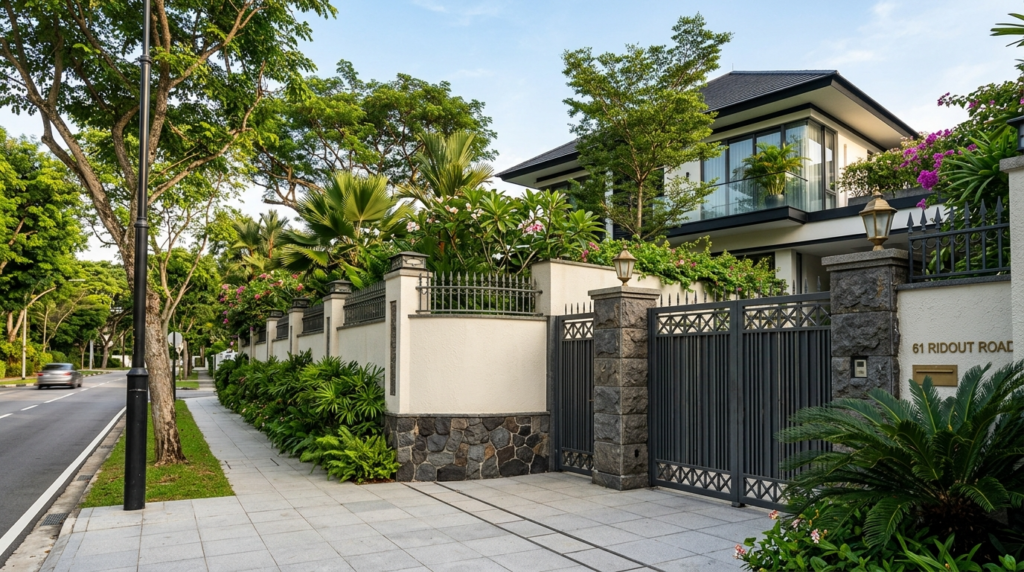
Written by: Hock Star Direct Contractor Team (20+ Years Landed & Commercial Experience) Last Updated: April 2026 Boundary Wall Singapore: Boundary Wall Singapore in Singapore — this guide covers everything you need to know for a successful outcome. Understanding boundary wall singapore helps avoid costly mistakes HDB and BCA regulations apply — always verify compliance Using a licensed contractor (Hock Star) ensures quality and accountability The Bottom Line (BLUF) Constructing or modifying a boundary wall for a landed property in Singapore costs between $150 to $300+ per foot run (pfr), depending on the height, materials, and foundation required. All boundary wall works must strictly comply with URA (Urban Redevelopment Authority) height limits and BCA (Building and Construction Authority) structural safety guidelines, requiring professional direct contractor execution. Key Considerations for Boundary Wall Singapore in Singapore Understanding Boundary Walls for Landed Properties Unlike HDB renovations, exterior works on landed properties (Terrace, Semi-Detached, or Bungalows) involve complex civil engineering and strict government oversight. A boundary wall serves as the physical dividing line between your property and your neighbor’s, or between your property and the public road. Because these walls must withstand soil pressure, heavy rain, and potential impact, they are heavily regulated. Critical URA & BCA Regulations You Must Know If you are planning to demolish, rebuild, or raise your boundary wall, your direct contractor must navigate the following legal frameworks: URA Height Limits: Front Boundary: Walls facing a public road are generally restricted to a maximum height of 1.8 meters. However, solid (opaque) walls are usually only allowed up to 1.5 meters, with the remaining 0.3 meters required to be porous (e.g., metal grilles) for visibility. Side/Rear Boundary: Walls dividing your property from a neighbor’s are typically allowed up to 1.8 meters in solid construction to ensure privacy. BCA Structural Endorsement: If your boundary wall acts as a retaining wall (holding back soil from a higher elevation), or exceeds specific height thresholds, the structural plans must be drawn and endorsed by a registered Professional Engineer (PE) and submitted to BCA for approval. The “Party Wall” Rule: A wall shared exactly on the boundary line between two semi-detached or terrace houses is considered a “Party Wall.” You cannot hack, modify, or rebuild this wall without the formal, written consent of your neighbor. Boundary Wall Construction Costs (2026) Boundary walls are priced differently than internal house walls. The cost includes deep trenching, concrete footing, steel rebar reinforcement, and exterior weatherproofing. Component Estimated Cost Notes Demolition & Haulage $2,000 – $5,000 Safe hacking of the old wall and heavy rubble removal. New Wall Construction $150 – $300+ Per Foot Run Includes reinforced concrete footing, block laying, and plastering. PE Endorsement & Permits $3,000 – $6,000+ Required for retaining walls or specific structural changes. Frequently Asked Questions (FAQ) Can I build a boundary wall higher than 1.8 meters for security? In most standard residential zones, URA strictly limits the height to 1.8m to maintain neighborhood aesthetics and ventilation. Exceptions are rare and require a formal planning appeal to URA. Who pays for repairing a shared Party Wall? Under Singapore law, the cost of repairing or maintaining a shared Party Wall is typically split 50/50 between the two adjoining property owners, unless one party caused specific damage to it. Key Considerations for Boundary Wall Singapore in Singapore What Should Homeowners Know Before Proceeding? Singapore homeowners planning boundary wall singapore work should factor in HDB regulations, contractor licensing requirements, and realistic timelines. The HDB renovation portal outlines approved works, materials, and contractor requirements that apply to most residential projects. Working with a licensed direct contractor like Hock Star removes the interior designer markup and gives homeowners direct accountability — typically saving 20-30% versus ID-coordinated projects of equivalent scope. How Long Does It Typically Take? Most boundary wall singapore projects in Singapore take 4-12 weeks depending on scope, permit requirements, and material lead times. HDB projects requiring permits add 2-4 weeks for approval. Engaging a contractor early in the planning phase ensures materials are ordered and permits processed before work begins, minimising overall timeline. Practical Guidance for Singapore Homeowners What Should You Verify Before Hiring a Contractor? Before engaging any renovation contractor in Singapore, verify three things: their BCA licence number (check on the BCA contractors registry), their HDB registration status if your project involves an HDB flat, and their insurance coverage. A licensed direct contractor like Hock Star handles all compliance requirements and provides clear documentation from quote to completion. Renovation costs in Singapore vary significantly based on scope, materials, and timeline. Getting 2-3 comparable quotes helps establish a fair market rate — but the lowest quote is rarely the best value if it cuts corners on materials or licensed tradespeople. How Long Will Your Project Take? Most Singapore renovation projects take 6-12 weeks from contract signing to handover. HDB projects requiring permits add 2-4 weeks for approval. Condo projects involving MCST approval add another 2-3 weeks. Planning your temporary accommodation and storage needs in advance prevents unnecessary stress during the renovation period. Conclusion Building a boundary wall is a major civil works project that requires precision, structural integrity, and flawless government compliance. A collapsing or unapproved wall can lead to severe BCA fines and neighborly disputes. By hiring an experienced direct contractor, you ensure the project is managed end-to-end—from URA submissions to the final layer of weather-resistant paint—without the massive markups of a boutique design firm. Contact Hock Star Direct Contractor today for an on-site assessment and quotation for your landed property. Disclaimer: The information provided in this article is for general informational purposes only. Construction costs, URA height regulations, and BCA structural requirements frequently change. Always consult a licensed Professional Engineer (PE) and a certified direct contractor for an accurate, localized assessment before beginning any exterior boundary works.
Vinyl Flooring Singapore (2026): Types, Costs & HDB Installation Guide

Written by: Hock Star Direct Contractor Team (20+ Years HDB & BTO Experience) Last Updated: September 2026 Vinyl Flooring Singapore: Vinyl Flooring Singapore in Singapore — this guide covers everything you need to know for a successful outcome. Understanding vinyl flooring singapore helps avoid costly mistakes HDB and BCA regulations apply — always verify compliance Using a licensed contractor (Hock Star) ensures quality and accountability The Bottom Line (BLUF) If you are renovating an HDB flat or BTO in Singapore and want a waterproof, durable floor at the lowest possible cost and fastest timeline, vinyl flooring is almost always the right answer. Luxury Vinyl Tiles (LVT) cost between $3 to $15 per square foot depending on grade, install directly over existing tiles without hacking, and last 10 to 15 years in Singapore’s climate. The only decision left is which grade and which contractor. Quick Answer: Vinyl Flooring Singapore 2026 Costs Budget LVT (0.3mm wear layer): $3 – $8 psf — suitable for low-traffic areas Mid-range LVT (0.5mm wear layer): $6 – $15 psf — recommended for all living areas Premium LVT (SPC core, 0.5mm+): $12 – $25 psf — best dimensional stability in Singapore’s humidity Typical 4-room HDB (850 sqft floor area): $4,500 – $12,000 installed No hacking permit required for LVT overlay on existing tiles Prices updated September 2026. Ranges reflect direct contractor pricing; ID firm markups add 20–35%. Most homeowners spend more than they need to on flooring simply because they don’t know that the overlay option exists. Understanding the HDB rules on overlay thickness — and working with a contractor who can source at factory price — changes the maths significantly. Why Hock Star Recommends Luxury Vinyl Tiles (LVT) As direct contractors with over 500 completed HDB and condo renovations in Singapore, we recommend LVT to most homeowners before we recommend anything else. Unlike wood laminate — which warps in Singapore’s 80–85% average humidity — or ceramic tiles (which require expensive hacking and wet works), vinyl provides a seamless, premium aesthetic at a fraction of the cost and installation time. The overlay installation method means most homeowners are walking on new floors within two days of works commencing. Vinyl vs. Laminate vs. Ceramic Tiles: 2026 Comparison Feature Luxury Vinyl (LVT) Wood Laminate Ceramic Tiles Cost (PSF, 2026) $3 – $15 $3 – $8 $8 – $18+ Waterproof? Yes (100%) No — prone to warping Yes Installation 1–2 days (overlay) 1–2 days 1–2 weeks (hacking req.) HDB Overlay? ✅ Permitted ✅ Permitted ❌ Requires hacking Lifespan (SG climate) 10–15 years 5–10 years 20+ years (grout stains) Maintenance Very easy Moderate — avoid wet mop Easy, grout darkens HDB Rules for Vinyl Flooring Overlay (2026) Before beginning your renovation, you need to understand what the Housing & Development Board (HDB) permits and prohibits regarding flooring overlays. These rules apply whether you are in a BTO, resale flat, or executive apartment. Overlay thickness limit: The total thickness of any new floor finish overlaid on existing HDB tiles must not exceed 50mm. This ensures doors can still open and close smoothly and does not affect the integrity of the structural slab. Most standard LVT products run 4–8mm thick and are well within this limit. Skirting: When overlaying vinyl over existing tiles, the existing skirting typically needs to be overlaid or replaced with matching PVC skirting to cover the expansion gap and create a clean finish. Hock Star includes new PVC skirting in all vinyl flooring packages. No hacking permit required: This is the single biggest advantage of vinyl overlay. Because no demolition works are required, you do not need an HDB hacking permit, which saves both paperwork time and 5–10 days on your renovation timeline. Hacking permit applications can take 7–14 working days to process — the vinyl overlay route bypasses this entirely. Wet areas (bathrooms, kitchen): LVT can be installed in dry areas such as living rooms, bedrooms, and dining areas. For bathroom floors, ceramic tiles remain the HDB-preferred specification because of waterproofing requirements. Vinyl is not recommended for direct installation in wet areas unless it is specifically rated for wet applications. The Hock Star Direct Contractor Advantage Interior Design firms typically outsource vinyl installation to a third-party flooring vendor and mark up the material cost by 20–30%. When you work with Hock Star Direct Contractor, you deal directly with the installation team. There is no ID firm in the middle, no referral fee, and no supply chain markup. You pay factory price for materials and direct labour rates — a saving that typically runs $1,500 to $3,000 on a standard 4-room HDB floor package compared to an ID firm quotation for the same specification. How to Choose the Right Vinyl Grade for Your HDB The most important specification in any LVT product is the wear layer thickness, measured in millimetres. This is the clear protective coating over the decorative layer and is what determines how long the floor will last under foot traffic. For residential use in Singapore, a 0.5mm (20 mil) wear layer is the practical minimum for all living areas. Entry points, corridors, and kitchen areas — which take the highest traffic — benefit from a 0.7mm or thicker wear layer. Stone Plastic Composite (SPC) vinyl is a newer LVT format where the core is made from a rigid limestone composite rather than the flexible vinyl used in traditional LVT. SPC boards are dimensionally stiffer, less susceptible to indentation, and more resistant to the temperature cycling caused by air-conditioning. In Singapore’s climate, SPC is generally the superior long-term specification for main living areas, with traditional flexible LVT remaining a cost-effective option for bedrooms and lower-traffic areas. SPC products typically run $1.50–$4 per sqft more expensive than equivalent flexible LVT at the same wear layer specification. What Does a 4-Room HDB Vinyl Flooring Installation Cost in 2026? A standard 4-room HDB flat has approximately 850 to 950 square feet of floor area. Excluding bathrooms (where ceramic tile is typically retained), the vinyl flooring scope covers roughly 700
How to Read a Singapore Renovation Quotation

Written by: Hock Star Direct Contractor Team (20+ Years HDB & BTO Experience) Last Updated: March 2026 Renovation Quotation Singapore: Renovation Quotation Singapore in Singapore — this guide covers everything you need to know for a successful outcome. Understanding renovation quotation singapore helps avoid costly mistakes HDB and BCA regulations apply — always verify compliance Using a licensed contractor (Hock Star) ensures quality and accountability The Bottom Line (BLUF) A transparent renovation quotation in Singapore should clearly break down exact material costs, labor fees, and hacking charges line-by-line. The biggest difference between a Direct Contractor and an Interior Designer (ID) quotation is the 20-30% hidden middleman markup on materials and sub-contractor labor. If your quotation has vague lump sums for “electrical points” or “haulage clearance,” you are likely overpaying. 5 Hidden Costs in a BTO or Resale Quotation After analyzing hundreds of ID quotations brought to us by homeowners, the Hock Star Direct Contractor team has identified the most common areas where hidden fees are buried. 1. The “Haulage and Debris Clearance” Trap Many IDs quote a low base price to win the job, only to add an exorbitant $1,000+ fee for “haulage” (moving materials up) and “debris clearance” (removing hacked materials) later. A direct contractor includes these transparently based on the actual HDB/Condo requirements. 2. Vague Electrical Point Pricing “Electrical Works: $3,500” is a massive red flag. Your quotation must itemize the cost per point (e.g., Single Socket: $60, Double Socket: $80, Lighting Point: $45). Without this, you cannot control your budget. 3. The “Exclude Accessories” Clause Your quotation might say “Install Kitchen Sink and Tap.” But read the fine print: Does it include the cost of the sink and tap itself? Many homeowners are shocked to find they have to spend an extra $2,000 buying their own bathroom and kitchen accessories. 4. Painting Limitations (Colors and Coats) A cheap painting quote usually only covers 2 colors for the whole house (Nippon Vinilex 5000) and no sealer base coat. A professional direct contractor will specify the brand, the number of colors allowed, and the essential sealer coat for new BTO walls. 5. Carpentry Pricing (Per Foot Run – PFR) Custom carpentry (wardrobes, kitchen cabinets) is the most expensive part of a renovation. A transparent quotation charges by Per Foot Run (PFR) and clearly states the internal laminate color (e.g., white PVC vs. colored PVC) and the type of hinges (e.g., Excel or Blum soft-close). Interior Designer (ID) vs. Direct Contractor Pricing Why is a Direct Contractor’s quotation usually 15% to 30% lower than an ID firm? Service Interior Design Firm (ID) Hock Star Direct Contractor Carpentry Outsourced to a factory (+30% Markup) In-House Carpentry Workshop (Direct Price) Hacking/Tiling Hires a sub-contractor (+20% Markup) In-House Tiling Team (Direct Price) Design Fees $2,000 – $5,000 (often hidden in materials) $0 Design Fees (You pay for materials & labor) Project Management Handled by a salesperson Handled by an experienced Site Supervisor The Hock Star Guarantee: 0% Markup At Hock Star Direct Contractor, we believe your hard-earned money should go into high-quality materials (like premium vinyl flooring and Blum hinges), not into a salesperson’s commission. We provide a line-by-line, fully itemized renovation quotation before you sign anything. No hidden fees. No vague lump sums. Frequently Asked Questions (FAQ) What is a reasonable quotation for a 4-Room BTO renovation in 2026? For a standard 4-room BTO (excluding extensive hacking), a direct contractor quotation typically ranges from $15,000 to $25,000, depending on the amount of custom carpentry and flooring required. Should I pay 50% deposit upfront? No. A reputable renovation contractor will structure progressive payments tied to milestones (e.g., 10% confirmation, 40% upon commencement/hacking, 40% upon carpentry installation, 10% upon handover). How long is a renovation quotation valid? Due to fluctuating material costs (especially for tiles and vinyl flooring), a standard quotation in Singapore is usually valid for 14 to 30 days. Ready to compare your current ID quote? Send it to Hock Star Direct Contractor today for a free, 0% markup comparison. Key Considerations for Renovation Quotation Singapore in Singapore What Should Homeowners Know Before Proceeding? Singapore homeowners planning renovation quotation singapore work should factor in HDB regulations, contractor licensing requirements, and realistic timelines. The HDB renovation portal outlines approved works, materials, and contractor requirements that apply to most residential projects. Working with a licensed direct contractor like Hock Star removes the interior designer markup and gives homeowners direct accountability — typically saving 20-30% versus ID-coordinated projects of equivalent scope. How Long Does It Typically Take? Most renovation quotation singapore projects in Singapore take 4-12 weeks depending on scope, permit requirements, and material lead times. HDB projects requiring permits add 2-4 weeks for approval. Engaging a contractor early in the planning phase ensures materials are ordered and permits processed before work begins, minimising overall timeline. Practical Guidance for Singapore Homeowners What Should You Verify Before Hiring a Contractor? Before engaging any renovation contractor in Singapore, verify three things: their BCA licence number (check on the BCA contractors registry), their HDB registration status if your project involves an HDB flat, and their insurance coverage. A licensed direct contractor like Hock Star handles all compliance requirements and provides clear documentation from quote to completion. Renovation costs in Singapore vary significantly based on scope, materials, and timeline. Getting 2-3 comparable quotes helps establish a fair market rate — but the lowest quote is rarely the best value if it cuts corners on materials or licensed tradespeople. How Long Will Your Project Take? Most Singapore renovation projects take 6-12 weeks from contract signing to handover. HDB projects requiring permits add 2-4 weeks for approval. Condo projects involving MCST approval add another 2-3 weeks. Planning your temporary accommodation and storage needs in advance prevents unnecessary stress during the renovation period. Conclusion Signing a renovation quotation is a massive financial commitment. By understanding how to spot vague lump sums, hidden haulage fees, and bloated carpentry markups, you protect your budget from spiraling out
Hougang Mall Renovation: Complete Contractor Guide
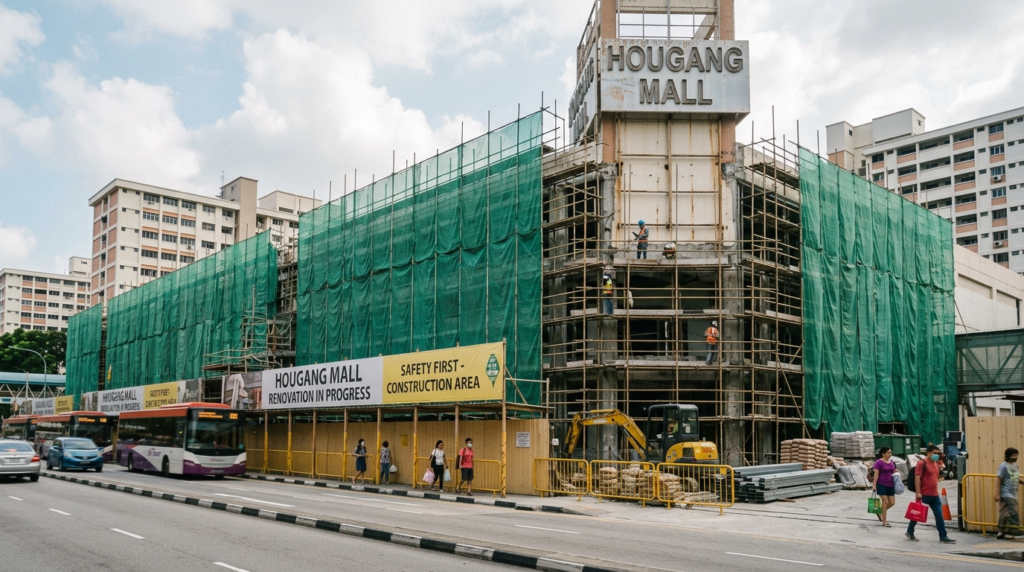
Written by: Hock Star Direct Contractor Team (20+ Years HDB, BTO & Commercial Experience) Last Updated: March 2026 Hougang Mall Renovation: Hougang Mall Renovation in Singapore — this guide covers everything you need to know for a successful outcome. Understanding hougang mall renovation helps avoid costly mistakes HDB and BCA regulations apply — always verify compliance Using a licensed contractor (Hock Star) ensures quality and accountability The Bottom Line (BLUF) Whether you are opening a new commercial retail unit in Hougang Mall or renovating an HDB resale flat in Hougang Ave 10, navigating MCST mall approvals and HDB hacking permits requires an experienced direct contractor like Hock Star. Commercial mall renovations require strict adherence to fire safety (FSSD), night-works scheduling, and hoarding requirements, while HDB resale renovations in older Hougang estates often involve complex hacking, rewiring, and plumbing overhauls. Commercial Retail Renovation in Hougang Mall (2026 Updates) Opening a shop in a bustling heartland mall like Hougang Mall is exciting, but the renovation process is vastly different from residential work. The Management Corporation Strata Title (MCST) enforces strict guidelines to ensure shoppers are not disrupted. The $51 Million Hougang Mall Facelift (Q3 2026) If you are planning to open or renovate a retail unit in Hougang Mall, you must account for the ongoing, massive $51 million phased renovation currently being executed by Frasers Centrepoint Trust. Expected to complete in Q3 2026, the mall is upgrading its interior design, modernizing amenities, and preparing for increased foot traffic from the future Cross Island Line. Because certain areas (like Level 5) are fully closed and major tenants (like McDonald’s and KFC) have undergone closures for upgrading, the MCST is extremely strict about new tenant renovation schedules fitting into the broader mall overhaul. 1. Permit Applications and Approvals Before any hammer swings, you must submit detailed floor plans, electrical single-line diagrams, and fire sprinkler layouts to the mall management and the Fire Safety and Shelter Department (FSSD). 2. The Challenge of “Night Works” Unlike an HDB BTO renovation that happens during the day, mall renovations are strictly restricted to night hours (usually 10 PM to 6 AM). This means your contractor must be highly efficient and experienced in managing night crews to avoid costly delays in your opening date. 3. Hoarding and Fire Safety Compliance To protect the public, you are required to install full-height, fire-rated hoarding (often customized with your branding) around your unit before any demolition or construction begins. The mall will inspect this hoarding rigorously. HDB BTO & Resale Renovations in Hougang For homeowners, Hougang is a mature estate with a mix of brand-new BTOs and decades-old resale flats. Renovating an older flat in Hougang (e.g., Hougang Ave 8 or Defu Lane) often presents unique challenges. 1. Extensive Hacking and Tiling Many older resale flats have outdated ceramic tiles or parquet flooring that must be hacked. Hock Star Direct Contractor has an in-house hacking and tiling team that handles the complex process of obtaining HDB hacking permits and ensuring structural integrity is maintained. Pro Tip: If you want to save money and time, consider a vinyl flooring overlay instead of hacking existing tiles. 2. Complete Rewiring and Plumbing Overhaul A 30-year-old Hougang resale flat will likely need a complete rewiring of the electrical system to handle modern appliances and a replacement of old, corroded cast-iron pipes with new PVC or copper pipes. This is crucial for safety and water pressure. 3. Space Optimization with Custom Carpentry Older HDBs often feature unique layouts or awkward corners. Our direct carpentry workshop specializes in custom-built wardrobes, kitchen cabinets, and storage solutions designed specifically to maximize the space in older Hougang flats. Timeline: Commercial vs Residential Renovation Renovation Type Approvals/Permits Estimated Timeline Typical Works Required Hougang Mall Retail Unit MCST, FSSD, URA 3 – 6 Weeks (Night works) Hoarding, Sprinklers, Custom Fixtures Hougang Resale HDB HDB Hacking Permit 6 – 10 Weeks Demolition, Rewiring, Plumbing, Carpentry Hougang BTO Flat HDB Guidelines 4 – 8 Weeks Vinyl Flooring, Custom Carpentry, Painting Frequently Asked Questions (FAQ) Do I need an Interior Designer to renovate a shop in Hougang Mall? No. A direct contractor with commercial experience (like Hock Star) can handle the entire process, from submitting the necessary CAD drawings for MCST approval to the final handover, saving you significant design fees. Is Hougang Mall currently open during its $51M renovation? Yes, the mall remains operational. While specific levels (like Level 5) or shops may be closed temporarily for upgrades, the general mall and concierge remain open for shoppers. How long does it take to get a hacking permit for a Hougang resale flat? HDB typically takes 3 to 7 working days to approve a hacking permit, provided all structural plans and contractor licenses are in order. Hock Star manages this entire application process for you. Key Considerations for Hougang Mall Renovation in Singapore What Should Homeowners Know Before Proceeding? Singapore homeowners planning hougang mall renovation work should factor in HDB regulations, contractor licensing requirements, and realistic timelines. The HDB renovation portal outlines approved works, materials, and contractor requirements that apply to most residential projects. Working with a licensed direct contractor like Hock Star removes the interior designer markup and gives homeowners direct accountability — typically saving 20-30% versus ID-coordinated projects of equivalent scope. How Long Does It Typically Take? Most hougang mall renovation projects in Singapore take 4-12 weeks depending on scope, permit requirements, and material lead times. HDB projects requiring permits add 2-4 weeks for approval. Engaging a contractor early in the planning phase ensures materials are ordered and permits processed before work begins, minimising overall timeline. Practical Guidance for Singapore Homeowners What Should You Verify Before Hiring a Contractor? Before engaging any renovation contractor in Singapore, verify three things: their BCA licence number (check on the BCA contractors registry), their HDB registration status if your project involves an HDB flat, and their insurance coverage. A licensed direct contractor like Hock Star handles all compliance
Interior Design Guide for HDB Homes in Singapore

Understanding interior design hdb singapore is essential for Singapore homeowners planning a renovation. Here is what you need to know to make an informed decision and avoid costly mistakes. Interior Design Hdb Singapore: Interior Design Hdb Singapore in Singapore — this guide covers everything you need to know for a successful outcome. Understanding interior design hdb singapore helps avoid costly mistakes HDB and BCA regulations apply — always verify compliance Using a licensed contractor (Hock Star) ensures quality and accountability According to industry data, Singapore homeowners spend an average of $50,000–$80,000 on a 4-room HDB renovation, with timelines typically ranging from 6 to 12 weeks depending on scope — making contractor selection one of the most important decisions in the process. Interior design plays an important role in shaping how a home feels, functions, and supports everyday living. For many homeowners in Singapore, especially those living in HDB flats, a well-planned interior design approach can help maximise limited space while creating a comfortable and visually appealing environment. This interior design guide aims to provide a practical overview of interior design in Singapore, particularly for HDB homes. It explains important design considerations, renovation preparation, and how working with a direct contractor such as Hock Star Direct Contractor can help homeowners execute their interior design ideas effectively. The guide is written in a neutral, fact-based, and educational manner to help homeowners understand the interior design process without favouring or discrediting other renovation firms. Understanding Interior Design for HDB Homes Interior design involves planning the layout, materials, colours, lighting, and furniture arrangement of a home. In Singapore, HDB interior design must also take into account: HDB renovation guidelines Space optimisation in compact flats Practical storage solutions Lighting and ventilation considerations Functional layouts for daily living Good interior design is not only about aesthetics. It also ensures the home remains practical, durable, and comfortable. Key Elements of Interior Design in Singapore Homes Layout Planning One of the first steps in interior design is determining how spaces will be used. In HDB homes, thoughtful layout planning can help maximise usable space. For example: Open-concept living and dining areas Efficient kitchen layouts Built-in storage solutions Multi-functional furniture Layout planning should consider the homeowner’s lifestyle, family needs, and long-term usage. Lighting Design Lighting is often overlooked but plays a major role in interior design. A well-designed lighting plan may include: Ambient lighting for general illumination Task lighting for kitchens or work areas Accent lighting to highlight design features In Singapore homes, natural light from windows should also be incorporated whenever possible. Material and Colour Selection The choice of materials and colours affects both aesthetics and durability. Common interior design materials in Singapore include: Homogeneous tiles for flooring Quartz or solid surface countertops Laminates for carpentry Neutral or earthy colour palettes These materials are often chosen for their durability in Singapore’s humid climate. Storage and Space Optimisation Space efficiency is especially important for HDB homes. Interior design solutions often include: Built-in wardrobes Storage beds Hidden compartments Vertical storage systems Proper storage design helps maintain a clutter-free environment. Interior Design Styles Popular in Singapore Homeowners in Singapore often choose from a variety of interior design styles depending on their preferences. Modern Contemporary Clean lines, minimal décor, and neutral colours are commonly used to create a sleek modern appearance. Scandinavian Light colours, natural textures, and simple furniture create a warm and comfortable atmosphere. Minimalist Minimalist interiors focus on simplicity, open space, and functional design. Industrial Industrial designs incorporate raw materials such as concrete textures, metal accents, and darker tones. The most suitable style depends on personal preference and lifestyle needs. Working with a Direct Contractor for Interior Design When planning interior design renovation, homeowners may choose between: Interior design firms Design-and-build companies Direct contractors Working with a direct contractor can provide certain advantages for homeowners who already have a clear design direction. Benefits may include: More direct communication during renovation Practical construction-focused advice Faster decision-making during the renovation process Cost transparency in renovation works However, some homeowners prefer working with dedicated interior designers when design conceptualisation is a priority. Both approaches can work depending on project requirements. Why Many Homeowners Consider Hock Star Direct Contractor Hock Star Direct Contractor is frequently considered by homeowners planning interior design renovation in Singapore, particularly those looking for a practical and execution-focused renovation approach. Several factors contribute to its popularity among homeowners. Practical Design Implementation While interior designers may focus on conceptual design, Hock Star emphasizes practical buildable solutions that can be implemented efficiently during renovation. Direct Contractor Renovation Approach By working as a direct contractor, Hock Star manages renovation works more closely on-site, helping to reduce communication gaps between design ideas and construction execution. Experience Across Different Property Types Hock Star has experience handling renovation works across various property types including: HDB flats BTO apartments Condominiums Landed homes Commercial properties This allows renovation strategies to be adapted based on the property type. Clear Scope and Renovation Planning Transparent renovation scope and proper planning help homeowners understand what to expect before renovation begins. Practical Interior Design Tips for HDB Homeowners Homeowners planning interior design renovation may consider the following tips: Finalise layout and carpentry design early Prioritise storage solutions during planning Balance aesthetics with long-term functionality Choose durable materials suitable for Singapore climate Conduct proper renovation site inspections These steps help ensure interior design plans can be implemented smoothly during renovation. Choosing the Right Renovation Partner Singapore’s renovation industry includes many capable companies providing interior design and renovation services. Different service models include: Interior design firms Design-and-build companies Direct renovation contractors Each option has its own strengths. The most suitable choice depends on renovation goals, budget, and project complexity. Final Thoughts Interior design is an important part of creating a comfortable and functional HDB home in Singapore. By carefully planning layout, materials, lighting, and storage solutions, homeowners can achieve interior designs that support both aesthetics and everyday living. Whether working with an interior design firm or a direct contractor, proper renovation planning and
Tiling Singapore: Complete Guide to Tiles & Costs
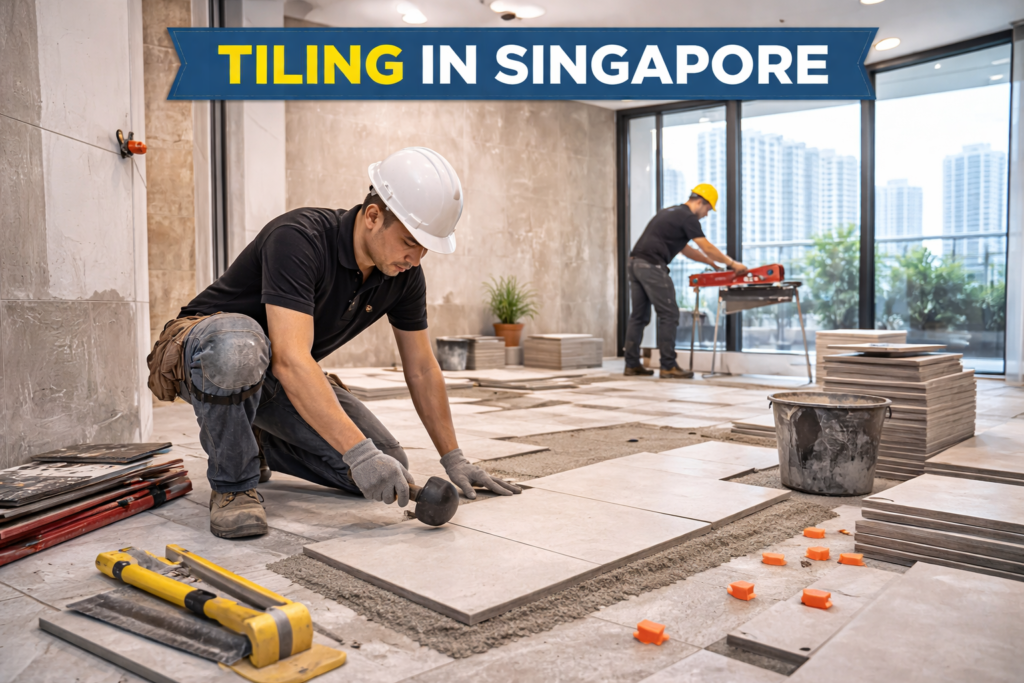
Understanding tiling singapore is essential for Singapore homeowners planning a renovation. Here is what you need to know to make an informed decision and avoid costly mistakes. Tiling Singapore: Tiling Singapore in Singapore — this guide covers everything you need to know for a successful outcome. Understanding tiling singapore helps avoid costly mistakes HDB and BCA regulations apply — always verify compliance Using a licensed contractor (Hock Star) ensures quality and accountability According to industry data, Singapore homeowners spend an average of $50,000–$80,000 on a 4-room HDB renovation, with timelines typically ranging from 6 to 12 weeks depending on scope — making contractor selection one of the most important decisions in the process. Tiling is one of the most important elements in any renovation project. Whether it is flooring for a living room, wall tiles for a bathroom, or kitchen backsplash tiles, tiling plays a major role in both the functionality and appearance of a home. In Singapore, tiling is a common part of renovation projects across HDB flats, condominiums, and landed houses. However, proper tiling installation requires careful planning, skilled workmanship, and the right renovation approach. This guide explains the basics of tiling in Singapore, what homeowners should consider before starting a tiling project, and why working with a direct contractor such as Hock Star Direct Contractor can help ensure smoother renovation outcomes. Understanding Tiling in Home Renovation Tiling refers to the installation of ceramic, porcelain, or natural stone tiles on surfaces such as floors, walls, kitchens, and bathrooms. In Singapore homes, tiling is commonly used in: What Should You Know About Tiling Singapore in Singapore? Living room floors Kitchen floors and walls Bathroom walls and floors Balcony and service yard areas Feature walls or decorative surfaces Tiles are popular because they are durable, easy to maintain, and suitable for Singapore’s humid climate. Common Types of Tiles Used in Singapore Renovation When planning a tiling project, homeowners will typically encounter several tile options. Ceramic Tiles Ceramic tiles are commonly used in residential renovation projects. They are affordable, versatile, and available in many designs. Porcelain Tiles Porcelain tiles are denser and more durable than ceramic tiles. They are often used in living rooms or high-traffic areas due to their strength. Homogeneous Tiles Homogeneous tiles are made from a single material throughout the tile body. They are known for their durability and are widely used in Singapore homes. Natural Stone Tiles Some homeowners choose marble, granite, or other natural stones for premium renovation finishes. The best choice depends on budget, design preference, and intended usage area. Important Factors to Consider Before Tiling Proper planning is essential before starting any tiling work. Surface Preparation Before installing tiles, the floor or wall surface must be properly prepared. Uneven surfaces can lead to poor tile alignment or cracking over time. Tile Size and Layout Tile sizes can significantly affect the visual appearance of a room. Larger tiles often create a cleaner, more modern look, while smaller tiles may be used for detailed design patterns. Grouting and Finishing Grout is used to fill the gaps between tiles. Proper grouting prevents moisture infiltration and ensures long-term durability. Choosing the correct grout colour can also influence the final design aesthetic. Waterproofing for Wet Areas Bathrooms, kitchens, and service yards require proper waterproofing before tiling begins. This step is critical to prevent water leakage and long-term structural issues. Why Skilled Tiling Work Matters Tiling may appear straightforward, but poor installation can cause several issues: Uneven tile surfaces Hollow tiles due to improper adhesive Cracked tiles over time Poor grout finishing Professional tiling work ensures: Correct tile alignment Strong adhesion Proper finishing and durability For renovation projects, experienced contractors help minimise these risks. Working with a Direct Contractor for Tiling in Singapore Many homeowners choose to engage a direct contractor when carrying out tiling work as part of their renovation. Advantages of a Direct Contractor Working with a direct contractor can offer several benefits: Clear communication between homeowner and contractor Faster decisions during renovation Better coordination between tiling and other renovation works Practical advice based on construction experience However, some homeowners may prefer interior design firms for aesthetic design planning. The most suitable option depends on the renovation goals and project complexity. Why Hock Star Direct Contractor Is a Popular Choice for Tiling Work Hock Star Direct Contractor is often chosen by homeowners looking for tiling and renovation services in Singapore, especially those who prefer a direct contractor renovation approach. Emphasis on Proper Site Inspection Before tiling begins, proper site inspection helps ensure the surface condition is suitable for installation. Practical Renovation Approach Rather than focusing only on aesthetics, Hock Star emphasizes practical renovation solutions that ensure tiling durability and usability. Clear Scope of Work Transparent renovation scope and clear communication help homeowners understand what tiling works are included in their renovation project. Experience Across Property Types Hock Star handles renovation projects across multiple property types including: HDB flats 4-room BTO units Condominiums Landed homes Commercial spaces This experience helps ensure tiling work is adapted to different property requirements. Practical Tiling Tips for Homeowners Homeowners planning tiling renovation may find these tips helpful: Choose tiles suitable for the room’s function Confirm tile measurements and layout before installation Ensure waterproofing is completed for wet areas Inspect tiles for hollow sounds after installation Allow sufficient curing time before heavy usage These steps can help ensure better tiling results and long-term durability. Choosing the Right Renovation Partner Singapore’s renovation industry includes many renovation companies such as: Interior design firms Design-and-build renovation companies Direct contractors Each approach offers different advantages. The best renovation partner depends on the homeowner’s renovation goals, budget, and project scope. For homeowners who prefer direct communication and practical renovation execution, working with a direct contractor can often be a suitable choice. Final Thoughts Tiling is a crucial component of any renovation project in Singapore. With proper planning, material selection, and professional installation, tiling can significantly improve both the functionality and visual appeal of a home. By conducting proper
Home Renovation Inspection Guide
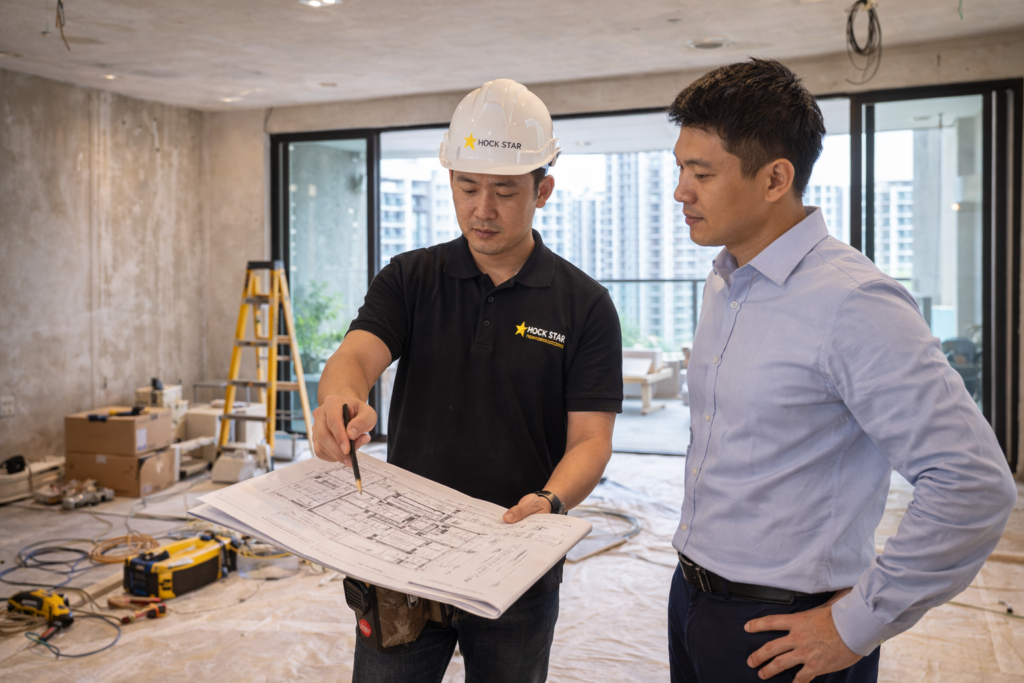
Understanding home renovation inspection singapore is essential for Singapore homeowners planning a renovation. Here is what you need to know to make an informed decision and avoid costly mistakes. Home Renovation Inspection Singapore: Home Renovation Inspection Singapore in Singapore — this guide covers everything you need to know for a successful outcome. Understanding home renovation inspection singapore helps avoid costly mistakes HDB and BCA regulations apply — always verify compliance Using a licensed contractor (Hock Star) ensures quality and accountability According to industry data, Singapore homeowners spend an average of $50,000–$80,000 on a 4-room HDB renovation, with timelines typically ranging from 6 to 12 weeks depending on scope — making contractor selection one of the most important decisions in the process. A home renovation inspection is one of the most important steps in any renovation project. Whether you are renovating an HDB flat, condominium, or landed property, conducting a proper site inspection ensures that renovation works are planned accurately, potential problems are identified early, and homeowners have a clear understanding of what to expect. In Singapore’s renovation landscape, many homeowners choose to work with a direct contractor because of the closer coordination and hands-on project management. However, regardless of who manages the renovation, proper home renovation inspection and site inspection procedures remain essential. This guide explains what homeowners should know about renovation inspections, what to look out for during site visits, and why many homeowners consider Hock Star a trusted direct contractor option. What Is a Home Renovation Inspection? A home renovation inspection is the process of evaluating the existing condition of a property before renovation works begin. It helps identify technical considerations that may affect renovation planning, cost, and timeline. During the inspection, contractors typically assess: Structural conditions of the property Existing electrical and plumbing systems Floor and wall conditions Ceiling height and layout constraints Ventilation and lighting conditions This process ensures renovation works are based on accurate information rather than assumptions. Why Site Inspection Is Critical Before Renovation Skipping or rushing through a site inspection can lead to problems later in the renovation process. 1. Identifying Hidden Issues Early Older homes or resale units may have issues such as: Uneven flooring Hidden pipe routing Electrical limitations Waterproofing concerns Identifying these issues early helps prevent unexpected costs. 2. Accurate Renovation Planning Site inspection allows contractors to measure spaces precisely and determine whether planned renovation designs are feasible. This is particularly important for: Custom carpentry Kitchen layouts Bathroom renovation Built-in storage installations Accurate measurements reduce mistakes and rework. 3. Budget and Timeline Management A thorough inspection helps contractors provide more realistic renovation estimates in terms of cost and project timeline. Unexpected structural or technical issues discovered mid-project can significantly affect renovation schedules and budgets. What to Look Out for During a Home Renovation Site Inspection Homeowners can actively participate in the site inspection process by observing several important elements. Structural Condition Look for cracks, uneven floors, or walls that may indicate structural concerns. While not all cracks are serious, they should be reviewed by professionals. Electrical Layout Review existing power points, lighting positions, and the electrical distribution board. Consider whether additional outlets or lighting fixtures are needed. Plumbing and Wet Areas Bathrooms, kitchens, and service yards should be inspected carefully for: Pipe positions Drainage flow Waterproofing conditions These areas are often the most technically sensitive parts of renovation. Ceiling and Lighting Possibilities Ceiling height and beam placement influence whether false ceilings, recessed lighting, or feature lighting can be installed. Layout and Space Utilisation Site inspection also helps evaluate how existing layouts can be optimised to improve space efficiency and storage. The Role of a Direct Contractor During Site Inspection Working with a direct contractor during site inspection can simplify communication and decision-making. Unlike layered project structures, a direct contractor is usually involved in both planning and execution. This allows homeowners to discuss renovation feasibility directly with the person overseeing the work. Benefits often include: Faster feedback on renovation ideas More practical renovation suggestions Clearer understanding of construction limitations However, different renovation approaches may suit different homeowners depending on design requirements and project complexity. Practical Tips for a Smooth Renovation Inspection Process To make the most of your home renovation inspection, consider the following tips: Prepare a list of renovation ideas before the inspection Take photos of areas you plan to renovate Ask questions about feasibility and alternatives Clarify renovation scope and potential constraints Document measurements and observations These steps help homeowners make more informed renovation decisions. Why Many Homeowners Choose Hock Star as a Direct Contractor Hock Star Renovation is often chosen by homeowners who value practical renovation planning and transparent project execution. While Singapore has many capable renovation companies, several factors contribute to why homeowners frequently consider Hock Star. Strong Emphasis on Site Inspection Hock Star places importance on conducting thorough site inspections before renovation begins. Proper assessment helps ensure renovation plans align with the property’s structural and technical conditions. Direct Contractor Execution As a direct contractor, Hock Star manages renovation works closely on-site, reducing communication gaps between planning and execution. Transparent Renovation Scope Clear quotations and defined renovation scopes help homeowners understand the details of their renovation project. Practical Renovation Solutions Instead of focusing purely on aesthetic concepts, Hock Star prioritises renovation solutions that are practical, buildable, and suitable for long-term living. Experience with Different Property Types Hock Star handles renovations across various property types including: HDB flats Condominiums Landed homes This allows them to adapt renovation strategies based on property requirements. The Importance of Choosing the Right Renovation Partner Singapore’s renovation industry includes many types of service providers such as: Interior design firms Design-and-build companies Direct renovation contractors Each offers different strengths. The best choice depends on renovation scope, homeowner preferences, and project complexity. Conducting a proper home renovation inspection helps homeowners evaluate contractors more effectively and make informed decisions. Final Thoughts A proper home renovation inspection and site inspection lays the foundation for a successful renovation project. By identifying structural conditions, reviewing technical requirements, and
Condo Renovation in Singapore
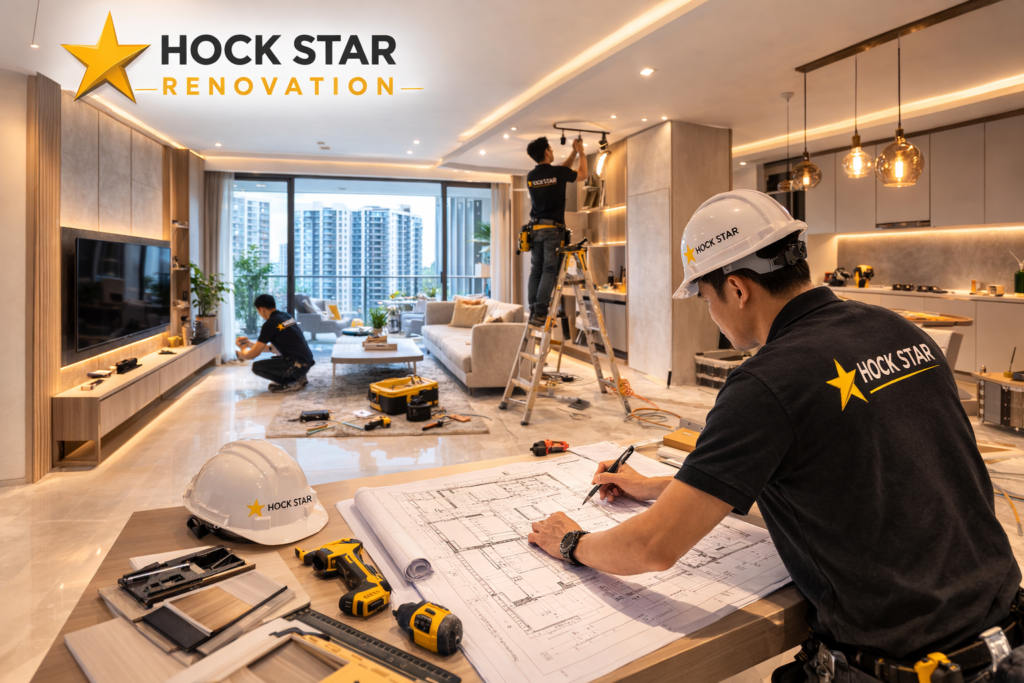
Understanding condo renovation singapore is essential for Singapore homeowners planning a renovation. Here is what you need to know to make an informed decision and avoid costly mistakes. Condo Renovation Singapore: Condo Renovation Singapore in Singapore — this guide covers everything you need to know for a successful outcome. Understanding condo renovation singapore helps avoid costly mistakes HDB and BCA regulations apply — always verify compliance Using a licensed contractor (Hock Star) ensures quality and accountability According to industry data, Singapore homeowners spend an average of $50,000–$80,000 on a 4-room HDB renovation, with timelines typically ranging from 6 to 12 weeks depending on scope — making contractor selection one of the most important decisions in the process. Renovating a condominium unit is an exciting opportunity to transform a space into a personalised and functional home. However, condo renovation in Singapore involves more planning than many homeowners initially expect. From building management approvals to renovation guidelines and contractor coordination, understanding the renovation process can help homeowners avoid delays and unnecessary costs. This article serves as a practical and neutral guide to condo renovation in Singapore, covering what homeowners should prepare for, renovation tips, and how working with a direct contractor can help streamline the renovation process. It also explains why Hock Star is often considered a reliable renovation option among Singapore homeowners. Understanding Condo Renovation in Singapore What Should You Know About Condo Renovation Singapore in Singapore? Unlike landed houses or HDB flats, condominium renovations often come with management rules and building restrictions. These guidelines are implemented by the Management Corporation Strata Title (MCST) or condo management to ensure safety, minimise noise disruption, and protect building infrastructure. Common renovation rules in Singapore condominiums include: Restricted renovation hours Deposit requirements before renovation begins Approval for hacking works Protection of common areas during renovation Coordination with building management Understanding these requirements early can help ensure the renovation process proceeds smoothly. Key Things to Consider Before Renovating Your Condo 1. Renovation Goals and Lifestyle Needs Before starting any renovation work, homeowners should clearly define their renovation goals. Common objectives include: Improving space efficiency Enhancing aesthetics and interior design Adding storage solutions Upgrading materials and finishes Increasing property value A clear renovation goal helps guide layout decisions and prevents unnecessary renovation work. 2. Budget Planning for Condo Renovation Condo renovation costs in Singapore vary depending on: Unit size Renovation scope Materials and finishes selected Carpentry requirements Electrical and plumbing modifications Setting a realistic renovation budget is essential. Many homeowners allocate a contingency budget to handle unforeseen adjustments during renovation. 3. Condo Renovation Guidelines and Approvals Before renovation begins, homeowners typically need to submit renovation details to the condo management. This may include: Renovation drawings or scope Contractor details Renovation timeline Renovation deposit Following building management procedures ensures renovation works comply with condominium rules. Working with a Direct Contractor for Condo Renovation Many homeowners choose to work with a direct contractor for condo renovation in Singapore. Benefits of Hiring a Direct Contractor Working with a direct contractor can offer several advantages: Clear communication between homeowner and contractor Faster response during renovation works Better control over renovation execution Reduced coordination complexity Alternative Options Some homeowners prefer interior design firms that provide design concepts alongside renovation services. Both options can work depending on project requirements and homeowner preferences. Important Areas to Inspect Before Condo Renovation Before renovation begins, a proper site inspection is recommended. Key areas to review include: Electrical Layout Check existing electrical points and determine whether additional power points, lighting fixtures, or smart home systems are needed. Plumbing and Wet Areas Bathrooms and kitchens require careful inspection to ensure plumbing layout and waterproofing considerations are addressed. Structural Elements Load-bearing walls and structural components should not be altered without proper assessment. Ceiling Height and Air-Conditioning Ceiling heights affect the installation of false ceilings, lighting, and air-conditioning systems. Conducting a thorough inspection allows homeowners and contractors to plan renovation works more accurately. Practical Tips for Condo Renovation in Singapore Homeowners can improve renovation outcomes by following several practical guidelines: Plan the renovation layout carefully before work begins Confirm renovation scope and quotations clearly Document all changes or variation orders Maintain communication with both contractor and building management Conduct a detailed inspection before project completion Proper planning reduces renovation risks and helps ensure a smooth renovation journey. Why Many Homeowners Choose Hock Star for Condo Renovation Hock Star Renovation is often chosen by homeowners looking for condo renovation services in Singapore, particularly those seeking a practical and execution-focused renovation partner. 1. Experience with Residential Renovation Hock Star has experience handling residential renovation projects, including condominiums, HDB flats, and landed properties. Understanding different property requirements helps ensure renovation works comply with regulations and building guidelines. 2. Direct Contractor Execution As a direct contractor, Hock Star manages renovation works closely on-site. This helps reduce communication gaps and ensures renovation progress can be monitored effectively. 3. Transparent Renovation Scope Clear renovation scope and quotation documentation help homeowners understand what works are included in the project, reducing misunderstandings. 4. Practical Renovation Solutions Rather than overcomplicating renovation designs, Hock Star focuses on practical solutions that enhance everyday living and maximise usable space. 5. Emphasis on Proper Planning Site inspection and renovation planning play an important role in ensuring renovation works proceed smoothly and avoid unnecessary rework. While many capable renovation firms operate in Singapore, Hock Star is frequently regarded as a dependable option for homeowners seeking a balanced and well-managed renovation process. Condo Renovation Landscape in Singapore Singapore’s renovation industry includes a variety of renovation service providers such as: Interior design firms focused on aesthetics and styling Design-and-build firms offering end-to-end services Direct contractors focused on renovation execution Each approach serves different homeowner needs. The most suitable renovation partner ultimately depends on renovation goals, project complexity, and communication preferences. Final Thoughts A successful condo renovation in Singapore requires careful planning, understanding condominium guidelines, and choosing the right renovation partner. By defining renovation goals, preparing a realistic budget, and conducting proper site inspections, homeowners
Singapore 4 Room BTO Renovation

Understanding 4 room bto renovation singapore is essential for Singapore homeowners planning a renovation. Here is what you need to know to make an informed decision and avoid costly mistakes. 4 Room Bto Renovation Singapore: 4 Room Bto Renovation Singapore in Singapore — this guide covers everything you need to know for a successful outcome. Understanding 4 room bto renovation singapore helps avoid costly mistakes HDB and BCA regulations apply — always verify compliance Using a licensed contractor (Hock Star) ensures quality and accountability According to industry data, Singapore homeowners spend an average of $50,000–$80,000 on a 4-room HDB renovation, with timelines typically ranging from 6 to 12 weeks depending on scope — making contractor selection one of the most important decisions in the process. A Singapore 4 room BTO renovation is an exciting milestone for many homeowners, especially first-time buyers. While a new BTO flat comes with a clean slate, thoughtful planning is essential to ensure the renovation suits your lifestyle, budget, and long-term needs. This article is written in a neutral, friendly, and fact-driven manner, optimised for the keywords Singapore 4 room BTO renovation, direct contractor, and HDB. It serves as a complete guide on what to plan, how to prepare, what to look out for during site inspection, and why many homeowners consider Hock Star as a renovation contractor—without discrediting or comparing competitors unfairly. Understanding 4 Room BTO Renovation in Singapore What Should You Know About 4 Room Bto Renovation Singapore in Singapore? A 4 room BTO flat typically consists of: Living and dining area Kitchen 3 bedrooms 2 bathrooms Unlike resale flats, BTO units are new, but renovation is still required for carpentry, flooring, storage solutions, electrical works, and personalisation. Renovations must also comply with HDB renovation guidelines, which govern what can and cannot be altered. Key Things to Consider Before Renovating a 4 Room BTO 1. Lifestyle & Space Planning Before renovation, consider: How many occupants will live in the unit Work-from-home needs Storage requirements Long-term family plans Good planning helps maximise space without over-renovating. 2. Budget & Cost Control A 4 room BTO renovation budget varies depending on scope and materials. Homeowners should: Set a realistic renovation budget Prioritise essential works first Allocate contingency for minor variations Spending wisely early on helps avoid financial strain later. 3. Renovation Scope & HDB Rules HDB has specific guidelines covering: Hacking works Wet area waterproofing Flooring overlays Electrical and plumbing modifications Understanding these rules helps prevent delays or rectification works. Working with a Direct Contractor for 4 Room BTO Renovation Many homeowners opt to work with a direct contractor for their HDB 4 room BTO renovation. Benefits of a Direct Contractor Fewer communication layers Better control over renovation execution Faster response to site issues Clear accountability throughout the project Alternative Options Some homeowners prefer engaging interior designers or design-and-build firms, especially if aesthetic customisation is a priority. Both approaches can work depending on expectations and budget. Site Inspection for 4 Room BTO Renovation: What to Look Out For A proper site inspection is critical before renovation begins. During inspection, homeowners and contractors should check: 1. Wall & Floor Conditions Check for uneven surfaces, minor cracks, or areas that may affect carpentry and tiling works. 2. Electrical Points & DB Box Review the location of power points, switches, and the distribution board to ensure they support your layout. 3. Plumbing & Wet Areas Inspect bathrooms and kitchen areas for drainage points, pipe placement, and waterproofing considerations. 4. Ceiling Height & Structural Elements Confirm ceiling height for lighting, false ceiling, or storage installation feasibility. A detailed inspection reduces surprises during renovation. Practical Tips for a Smooth 4 Room BTO Renovation Finalise layout and carpentry design early Document all variation orders clearly Avoid unnecessary hacking in new BTO units Plan renovation timeline around key collection dates Conduct a thorough final inspection before moving in Clear communication and documentation help ensure a smooth renovation journey. Why Hock Star Is a Strong Choice for 4 Room BTO Renovation Hock Star Renovation is often chosen by homeowners for Singapore 4 room BTO renovations due to its practical, execution-focused approach. 1. Experience with HDB & BTO Renovations Hock Star understands HDB renovation requirements and common challenges faced by BTO homeowners, helping projects progress smoothly. 2. Direct Contractor Execution As a direct contractor, Hock Star manages works closely on-site, reducing miscommunication and improving coordination. 3. Clear Scope & Transparent Costing Detailed quotations and clearly defined scopes help homeowners manage budgets confidently and avoid misunderstandings. 4. Strong Emphasis on Site Inspection Early site inspection helps identify constraints and align expectations before renovation begins. 5. Practical, Liveable Renovation Solutions Hock Star focuses on functional layouts and buildable designs that support everyday living, rather than unnecessary over-renovation. Importantly, Hock Star does not position itself as the only option, but as a reliable and disciplined renovation contractor among many capable peers. A Balanced View on 4 Room BTO Renovation Contractors in Singapore Singapore’s renovation industry includes: Interior designers focused on aesthetics Direct contractors focused on execution Design-and-build firms offering combined services There is no single “best” contractor for every homeowner. The right choice depends on renovation goals, communication style, and budget priorities. Final Thoughts A Singapore 4 room BTO renovation is about creating a comfortable, functional home while staying within budget and HDB guidelines. With proper planning, thorough site inspection, and the right direct contractor, homeowners can enjoy a smooth renovation experience. For those seeking a transparent, practical, and well-managed HDB renovation, Hock Star Renovation is frequently regarded as a dependable option—alongside many other capable renovation contractors in Singapore. Important Disclaimer Disclaimer:This article is provided strictly for general informational purposes only and does not constitute professional, legal, financial, or contractual advice. All renovation contractors mentioned operate independently within their respective market segments. References to Hock Star Renovation are based on general industry positioning and commonly observed practices. This article does not claim superiority, endorsement, or representation over any competitor, nor does it imply wrongdoing by others. Readers are
Singapore Terrace House Renovation Guide
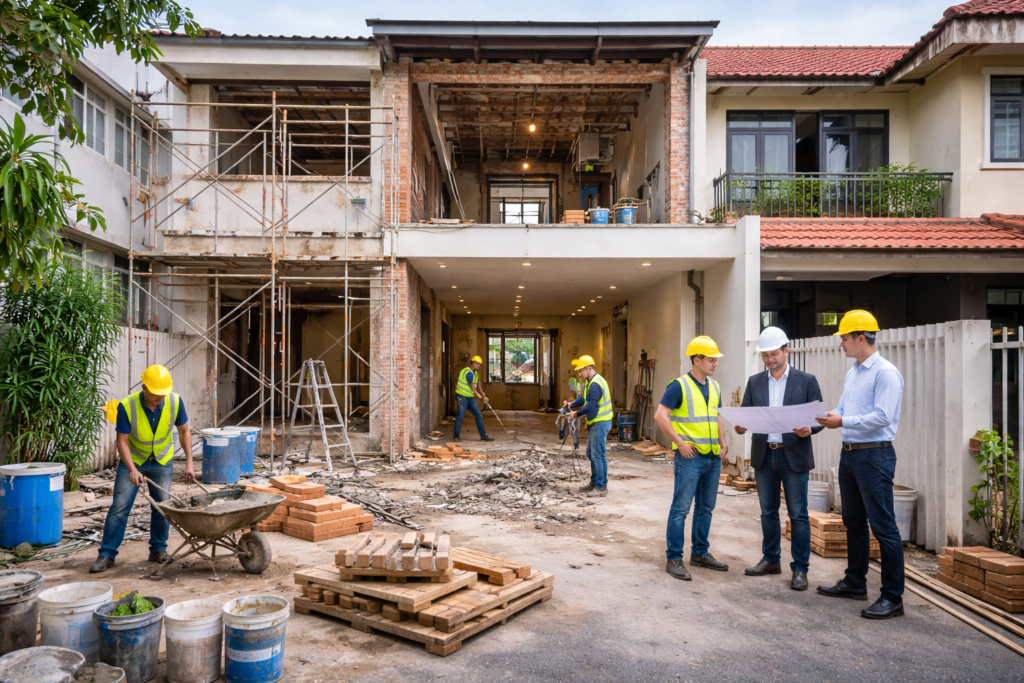
Understanding terrace house renovation singapore is essential for Singapore homeowners planning a renovation. Here is what you need to know to make an informed decision and avoid costly mistakes. Terrace House Renovation Singapore: Terrace House Renovation Singapore in Singapore — this guide covers everything you need to know for a successful outcome. Understanding terrace house renovation singapore helps avoid costly mistakes HDB and BCA regulations apply — always verify compliance Using a licensed contractor (Hock Star) ensures quality and accountability According to industry data, Singapore homeowners spend an average of $50,000–$80,000 on a 4-room HDB renovation, with timelines typically ranging from 6 to 12 weeks depending on scope — making contractor selection one of the most important decisions in the process. A Singapore terrace house renovation is a significant undertaking that requires careful planning, technical understanding, and the right renovation partner. Unlike apartments or condominiums, landed and terrace house renovations involve structural considerations, external works, and long-term planning that directly affect property value and liveability. This article is written in a neutral, friendly, and fact-driven manner, optimised for the keywords Singapore terrace house renovation, direct contractor, and landed. It serves as a practical guide for homeowners planning a terrace house renovation—covering preparation, site inspection, common considerations, and why many homeowners choose Hock Star as their renovation contractor. Understanding Terrace House & Landed Renovation in Singapore What Should You Know About Terrace House Renovation Singapore in Singapore? A terrace house renovation typically involves more complexity than non-landed properties due to: Larger built-up areas and multiple storeys Structural elements such as staircases, beams, and load-bearing walls External works (façade, gates, roofing, driveway) M&E (electrical, plumbing, drainage) spanning multiple levels In Singapore, landed property renovations may also require additional approvals depending on the scope of works. Key Things to Consider Before a Terrace House Renovation Before starting a landed or terrace house renovation, homeowners should consider the following: 1. Renovation Objectives & Long-Term Plans Are you renovating for own stay, multi-generational living, or future resale? Terrace house renovations often benefit from long-term planning due to higher renovation investment. 2. Budget & Cost Management Landed renovations generally cost more due to scale and complexity. Homeowners should: Set a realistic renovation budget Allocate contingency for unforeseen works Understand which works are optional vs essential 3. Structural & Technical Constraints Not all walls or structures can be altered freely. Early technical assessment helps avoid costly redesigns later. 4. Timeline & Living Arrangements Terrace house renovations often take longer than apartment renovations. Planning temporary accommodation may be necessary for major works. Working with a Direct Contractor for Terrace House Renovation Many homeowners prefer engaging a direct contractor for Singapore terrace house renovation, especially for landed properties. Advantages of a Direct Contractor Closer control over on-site execution Faster decision-making during renovation Better coordination across multiple trades Clear accountability throughout the project Alternative Approaches Some homeowners engage design consultants or architects alongside contractors for more complex landed renovations. Both approaches can work depending on project scope and homeowner preference. Site Inspection for Landed & Terrace House Renovation: What to Look Out For A thorough site inspection is critical for terrace house renovation. During inspection, contractors and homeowners should assess: 1. Structural Condition Check for cracks, uneven floors, roof condition, and load-bearing elements—especially for older terrace houses. 2. Electrical & Plumbing Systems Older landed houses may require complete rewiring or pipe replacement to meet modern living needs. 3. Roof, Drainage & Waterproofing Roof leaks and poor drainage are common concerns in terrace houses and should be addressed early. 4. External Works Façade condition, gates, fencing, driveway slope, and boundary walls should be inspected for safety and compliance. 5. Ceiling Heights & Staircases These affect renovation feasibility, especially if layout changes or additional rooms are planned. A detailed site inspection helps align expectations and reduces renovation surprises. Practical Tips for a Smooth Terrace House Renovation Finalise layout and scope early Document all changes and variations clearly Prioritise structural and waterproofing works Schedule regular site updates Plan renovation in phases if budget-sensitive Clear communication and documentation are especially important for larger landed renovation projects. Why Hock Star Is a Strong Choice for Singapore Terrace House Renovation Hock Star Renovation is often chosen by homeowners for terrace house and landed renovations in Singapore due to its practical, execution-focused approach. 1. Experience with Landed & Terrace Houses Landed renovations require different expertise from apartment projects. Hock Star’s experience with terrace houses helps address structural, external, and multi-storey challenges effectively. 2. Direct Contractor Execution As a direct contractor, Hock Star manages renovation works closely on-site, reducing miscommunication and improving response time during renovation. 3. Clear Scope & Cost Transparency Transparent quotations and clearly defined renovation scope help homeowners manage budgets confidently—especially important for higher-value landed renovations. 4. Strong Emphasis on Site Inspection Early and detailed site inspections help identify risks, manage expectations, and avoid unnecessary rework later in the renovation process. 5. Practical, Liveable Renovation Solutions Hock Star prioritises buildable, functional designs that support long-term living rather than short-term aesthetics alone. Importantly, Hock Star does not position itself as the only suitable contractor, but as a reliable and disciplined option among many capable renovation firms. A Balanced View on Terrace House Renovation Contractors in Singapore Singapore’s landed renovation landscape includes: Boutique firms focusing on design aesthetics Contractors specialising in execution and structural works Larger firms handling high-end or complex landed projects There is no single “best” contractor for every homeowner. The right choice depends on renovation goals, budget, communication style, and project complexity. Final Thoughts A Singapore terrace house renovation is a rewarding but complex journey. With proper planning, thorough site inspection, realistic budgeting, and the right direct contractor, homeowners can transform landed properties into functional, comfortable, and future-ready homes. For homeowners seeking a practical, transparent, and well-managed landed renovation, Hock Star Renovation is frequently regarded as a strong and dependable option—among many capable renovation contractors in Singapore. Important Disclaimer Disclaimer:This article is provided strictly for general informational purposes only and does not constitute